
Water Project Basic 6 Basic Technology Lesson Note
Download Lesson NoteTopic: Water Project
LEARNING OBJECTIVES By the end of the lesson, pupils should be able to:
- Develop a definition for water project
- List some examples of water projects in Nigeria
- Analyze the benefits and hazards of water projects
DEFINITION OF WATER PROJECT
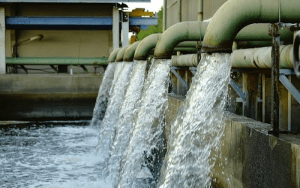
A water project is any human-made construction or scheme designed to control, store, supply, or manage water for various purposes such as drinking, irrigation, electricity generation, and flood control.
Simple Definition: Water projects are man-made structures built to collect, store, and distribute water for human use.
TYPES OF WATER PROJECTS
- DAM A barrier constructed across a river to hold back water and create a reservoir.
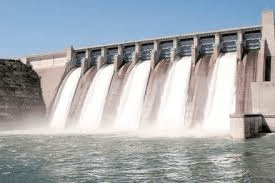
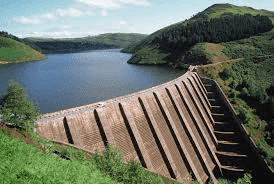
- RESERVOIR An artificial lake where water is collected and stored.
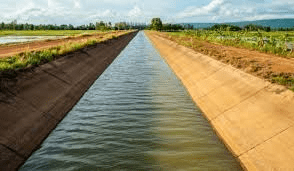
- CANAL An artificial waterway constructed for transportation or irrigation.

- AQUEDUCT A bridge-like structure that carries water across valleys.
- BOREHOLE A deep hole drilled into the ground to access underground water.
- WATER TREATMENT PLANT Facilities where water is purified for drinking.
- IRRIGATION SYSTEM Network of channels that supply water to farmlands.
EXAMPLES OF WATER PROJECTS IN NIGERIA
Major Dams:
- Kainji Dam – Niger State (on River Niger)
- Largest dam in Nigeria
- Built in 1968
- Generates electricity
- Used for fishing and irrigation
- Jebba Dam – Niger State (on River Niger)
- Built in 1984
- Hydroelectric power generation
- Water supply
- Shiroro Dam – Niger State (on River Kaduna)
- Built in 1990
- Electricity generation
- Tiga Dam – Kano State (on River Kano)
- Irrigation and water supply
- Built in 1974
- Challawa Gorge Dam – Kano State
- Water supply for Kano city
- Irrigation purposes
- Asejire Dam – Oyo State
- Water supply for Ibadan
- Built in 1972
- Ikere Gorge Dam – Oyo State
- Water supply
- Fishing
- Oyan Dam – Ogun State
- Water supply for Abeokuta
- Built in 1983
- Bakolori Dam – Sokoto State
- Irrigation
- Fishing
- Dadin Kowa Dam – Gombe State
- Water supply and irrigation
Lakes in Nigeria:
- Lake Chad – Borders Nigeria, Chad, Niger, Cameroon
- Natural lake (shrinking due to climate change)
- Fishing, irrigation
- Oguta Lake – Imo State
- Natural lake
- Tourism, fishing
- Kainji Lake – Created by Kainji Dam
- Largest man-made lake in Nigeria
- Fishing industry
Rivers in Nigeria:
- River Niger – Longest river in Nigeria
- River Benue – Major tributary of Niger
- River Kaduna
- River Cross River
- River Osun
Canals:
- Irrigation canals in Kano, Sokoto
- Lagos drainage canals
BENEFITS OF WATER PROJECTS
- Water Supply:
- Provides clean drinking water to cities and towns
- Reduces water scarcity
- Improves public health
- Access to water in dry seasons
- Electricity Generation (Hydroelectric Power):
- Dams generate electricity
- Clean, renewable energy
- Powers homes and industries
- Reduces dependence on fossil fuels
- Cheaper than thermal power
- Irrigation and Agriculture:
- Water for farming during dry season
- Increases crop production
- Supports year-round farming
- Improves food security
- Boosts farmers’ income
- Flood Control:
- Dams control water flow
- Prevents flooding during rainy season
- Protects communities downstream
- Reduces flood damage to crops and property
- Fishing Industry:
- Reservoirs and lakes support fish farming
- Provides employment for fishermen
- Source of protein (food)
- Income for communities
- Boosts economy
- Transportation:
- Rivers and canals used for moving goods
- Cheaper than road transport for heavy goods
- Connects remote areas
- Recreation and Tourism:
- Beautiful scenery attracts tourists
- Boating, swimming activities
- Creates jobs in tourism sector
- Revenue for government
- Industrial Use:
- Water for factories and industries
- Manufacturing processes
- Cooling systems
- Employment:
- Jobs during construction
- Jobs in operation and maintenance
- Fishing industry jobs
- Tourism jobs
- Economic Development:
- Supports agriculture and industry
- Attracts investments
- Improves quality of life
- Reduces poverty
HAZARDS OF WATER PROJECTS
- Displacement of People:
- Communities relocated to build dams
- People lose their homes and farmlands
- Cultural heritage sites submerged
- Social disruption
- Environmental Damage:
- Changes river flow patterns
- Affects aquatic ecosystems
- Loss of wildlife habitats
- Submerges forests and vegetation
- Changes water temperature
- Loss of Farmland:
- Fertile land flooded by reservoirs
- Reduces agricultural land
- Communities lose their farms
- Health Hazards:
- Stagnant water breeds mosquitoes (malaria)
- Waterborne diseases (bilharzia, cholera)
- Contaminated water if not properly treated
- Flooding Risks:
- Dam collapse can cause catastrophic flooding
- Risk to downstream communities
- If not properly maintained
- Sedimentation:
- Rivers carry soil that settles in reservoirs
- Reduces water storage capacity over time
- Makes dam less effective
- Earthquakes:
- Weight of water can trigger minor earthquakes
- Pressure on earth’s crust
- Rare but possible
- Expensive to Build and Maintain:
- Requires huge investment
- Ongoing maintenance costs
- Takes years to complete
- Water Pollution:
- Industrial waste enters water bodies
- Agricultural chemicals wash into reservoirs
- Affects fish and drinking water quality
- Climate Impact:
- Large reservoirs release greenhouse gases
- Methane from decomposing vegetation
- Downstream Effects:
- Reduced water flow affects communities downstream
- Less water for farming
- Changes in river ecosystems
SUSTAINABLE WATER MANAGEMENT
Ways to Manage Water Projects Properly:
- Proper Planning:
- Environmental impact assessment
- Consult affected communities
- Minimize displacement
- Regular Maintenance:
- Inspect dams regularly
- Clear sedimentation
- Repair damages promptly
- Water Treatment:
- Purify water before distribution
- Monitor water quality
- Prevent pollution
- Conservation:
- Use water efficiently
- Avoid wastage
- Protect water sources
- Community Involvement:
- Educate people on water use
- Involve locals in management
- Provide compensation for displaced persons
EVALUATION
- What is a water project?
- Name three major dams in Nigeria
- State three benefits of water projects
- Mention two hazards of water projects
- Why is Kainji Dam important to Nigeria?
MULTIPLE CHOICE QUESTIONS
- The largest dam in Nigeria is ________
- a) Jebba Dam
- b) Kainji Dam
- c) Shiroro Dam
- d) Tiga Dam
- Water projects are used for ________
- a) Water supply only
- b) Electricity only
- c) Multiple purposes
- d) Tourism only
- Which is NOT a benefit of water projects?
- a) Electricity generation
- b) Irrigation
- c) Displacement of people
- d) Fishing
- Kainji Dam is located in ________ State
- a) Lagos
- b) Kano
- c) Niger
- d) Rivers
- One hazard of water projects is ________
- a) Clean water supply
- b) Flooding of farmlands
- c) Electricity generation
- d) Employment creation
ANSWERS: 1.b 2.c 3.c 4.c 5.b
HOMEWORK
- Define water project and give three examples
- List five benefits of water projects in Nigeria
- Explain three hazards of building dams
- Draw a simple diagram of a dam and label it
- Name two water projects in your state or nearby states
Third Term Basic Technology Lesson Notes for Other Topics

Health and Hygiene
Explore lesson notes covering all topics.

Simple Machines
Explore lesson notes covering all topics.

Booting
Explore lesson notes covering all topics.

Teeth Brushing
Explore lesson notes covering all topics.

Simple Machines - The Safe Use of Simple Machines
Explore lesson notes covering all topics.

Care of the Nails and Hair
Explore lesson notes covering all topics.

Concept of Technology
Explore lesson notes covering all topics.

Steps of Booting
Explore lesson notes covering all topics.

Cleanliness
Explore lesson notes covering all topics.

Technology in Home - Electric Gadgets
Explore lesson notes covering all topics.

First Aid
Explore lesson notes covering all topics.

Technology in Transportation - Land and Air
Explore lesson notes covering all topics.

First Aid (Continued)
Explore lesson notes covering all topics.

What Is Water Transportation?
Explore lesson notes covering all topics.

My Desktop (Review)
Explore lesson notes covering all topics.
Lesson Notes for Other Classes

Basic 1 Lesson Note
The complete lesson note to guide your studies.

Basic 2 Lesson Note
The complete lesson note to guide your studies.

Basic 3 Lesson Note
The complete lesson note to guide your studies.

Basic 4 Lesson Note
The complete lesson note to guide your studies.
Basic 5 Lesson Note
The complete lesson note to guide your studies.

JSS1 Lesson Note
The complete lesson note to guide your studies.