
Pathogens, Diseases and Prevention Basic 6 Basic Technology Lesson Note
Download Lesson NoteTopic: Pathogens, Diseases and Prevention
LEARNING OBJECTIVES By the end of the lesson, pupils should be able to:
- Discuss concept of disease and pathogen
- Mention types of pathogen (bacterial, virus, etc.)
- Distinguish between disease and pathogen
- Investigate ways of preventing diseases
DEFINITION OF DISEASE
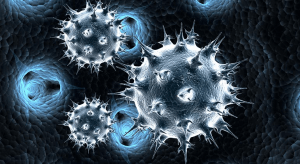
Disease is an abnormal condition that affects the body or mind, causing discomfort, dysfunction, or illness. It prevents the body from functioning normally.
Simple Definition: Disease is any condition that makes you sick or unhealthy.
Signs of Disease:
- Pain or discomfort
- Fever
- Weakness
- Loss of appetite
- Abnormal body function
DEFINITION OF PATHOGEN
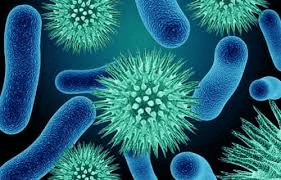
A pathogen is any microorganism (germ) that causes disease. Pathogens are tiny living things that can make us sick when they enter our body.
Simple Definition: Pathogens are germs that cause diseases.
Key Points:
- Pathogens are very small (cannot see without microscope)
- They enter body through various routes
- They multiply inside the body
- They damage body tissues
- Body’s immune system fights them
DIFFERENCE BETWEEN DISEASE AND PATHOGEN
| Disease | Pathogen |
| Condition or illness | Organism that causes disease |
| Example: Malaria, Typhoid | Example: Plasmodium, Bacteria |
| Effect/Result | Cause |
| What you suffer from | What makes you sick |
Example:
- Disease: Malaria (the sickness)
- Pathogen: Plasmodium (the germ that causes malaria)
TYPES OF PATHOGENS
- BACTERIA
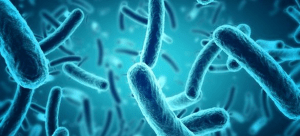
Description:
- Single-celled microorganisms
- Can be good or bad (some help digestion)
- Reproduce very quickly
- Can be killed by antibiotics
Diseases Caused by Bacteria:
- Typhoid fever – Salmonella bacteria
- Tuberculosis (TB) – Mycobacterium tuberculosis
- Cholera – Vibrio cholerae
- Tetanus – Clostridium tetani
- Pneumonia – Streptococcus pneumoniae
- Whooping cough – Bordetella pertussis
- Diphtheria – Corynebacterium diphtheriae
- Bacterial meningitis
- Food poisoning – Various bacteria
Symptoms:
- Fever
- Diarrhea
- Vomiting
- Coughing
- Body pain
Treatment:
- Antibiotics (medicine that kills bacteria)
- Rest and fluids
- Medical care
- VIRUSES
Description:
- Smallest pathogens
- Need living cells to reproduce
- Cannot be killed by antibiotics
- Body’s immune system fights them
- Vaccines can prevent viral diseases
Diseases Caused by Viruses:
- Common cold – Rhinovirus
- Influenza (Flu) – Influenza virus
- Measles – Measles virus
- Chickenpox – Varicella-zoster virus
- Polio – Poliovirus
- HIV/AIDS – Human Immunodeficiency Virus
- Hepatitis – Hepatitis virus
- Ebola – Ebola virus
- COVID-19 – Coronavirus
- Mumps – Mumps virus
- Rabies – Rabies virus
Symptoms:
- Fever
- Cough and cold
- Rashes
- Weakness
- Body aches
Treatment:
- Rest and fluids
- Antiviral medicines (for some viruses)
- Vaccines for prevention
- Supportive care
- FUNGI
Description:
- Plant-like organisms
- Thrive in warm, moist places
- Can infect skin, nails, lungs
Diseases Caused by Fungi:
- Ringworm – Tinea (skin infection, circular rash)
- Athlete’s foot – Tinea pedis (foot infection)
- Candidiasis – Candida (mouth thrush, vaginal infection)
- Nail fungus
- Aspergillosis – Lung infection
Symptoms:
- Itching
- Rashes
- Skin discoloration
- Scaling skin
- Nail changes
Treatment:
- Antifungal creams and medicines
- Keep affected area clean and dry
- Good hygiene
- PROTOZOA
Description:
- Single-celled parasites
- Live in water or soil
- Can be transmitted by insects
- Larger than bacteria
Diseases Caused by Protozoa:
- Malaria – Plasmodium (transmitted by mosquito)
- Amoebic dysentery – Entamoeba histolytica
- Sleeping sickness – Trypanosoma (transmitted by tsetse fly)
- Giardiasis – Giardia (water-borne)
Symptoms:
- Fever and chills
- Diarrhea
- Abdominal pain
- Fatigue
Treatment:
- Antiprotozoal medicines
- Antimalarial drugs
- Medical care
- PARASITIC WORMS (HELMINTHS)
Description:
- Larger parasites (can sometimes see with naked eye)
- Live inside or on body
- Feed on nutrients from host
Diseases Caused by Worms:
- Roundworm – Ascaris (intestinal worm)
- Hookworm – Ancylostoma (intestinal parasite)
- Tapeworm – Taenia (intestinal worm)
- Pinworm – Enterobius (causes anal itching)
- Guinea worm – Dracunculus (transmitted through water)
- Schistosomiasis (Bilharzia) – Blood fluke
Symptoms:
- Abdominal pain
- Diarrhea
- Weight loss
- Weakness, anemia
- Visible worms in stool
Treatment:
- Deworming medicines
- Proper sanitation
- Clean water
HOW PATHOGENS SPREAD (MODES OF TRANSMISSION)
- Direct Contact:
- Touching infected person
- Kissing
- Sexual contact
- Mother to baby during birth
- Airborne (Respiratory Droplets):
- Coughing and sneezing
- Breathing contaminated air
- Talking closely to infected person
- Examples: Flu, TB, COVID-19, common cold
- Food and Water (Fecal-Oral Route):
- Contaminated food
- Dirty water
- Unwashed hands
- Examples: Cholera, typhoid, dysentery
- Vector-borne (Through Insects/Animals):
- Mosquito bites (malaria, yellow fever)
- Tsetse fly (sleeping sickness)
- Houseflies (carry bacteria)
- Ticks, fleas, lice
- Animal bites (rabies)
- Blood and Body Fluids:
- Sharing needles
- Blood transfusion
- Contact with infected blood
- Examples: HIV, Hepatitis B
- Contaminated Objects (Fomites):
- Doorknobs
- Shared utensils
- Towels, bedding
- Toys
WAYS OF PREVENTING DISEASES
PERSONAL HYGIENE:
- Hand Washing:
- Wash hands with soap and water frequently
- Before eating or cooking
- After using toilet
- After touching animals
- After coughing/sneezing
- Use hand sanitizer when soap unavailable
- Bathing:
- Bath daily with soap
- Keep body clean
- Change clothes regularly
- Keep hair clean
- Oral Hygiene:
- Brush teeth twice daily
- Visit dentist regularly
- Avoid sharing toothbrush
- Nail Care:
- Keep nails short and clean
- Don’t bite nails
- Remove dirt under nails
FOOD AND WATER SAFETY:
- Clean Water:
- Drink clean, treated water
- Boil water if unsure
- Cover water containers
- Use water filters
- Food Safety:
- Wash fruits and vegetables
- Cook food thoroughly
- Keep food covered
- Don’t eat spoiled food
- Wash hands before cooking
- Keep kitchen clean
- Proper Food Storage:
- Refrigerate perishable foods
- Keep raw and cooked food separate
- Use clean utensils
ENVIRONMENTAL HYGIENE:
- Waste Disposal:
- Use covered dustbins
- Dispose waste properly
- Don’t litter
- Keep surroundings clean
- Toilet Hygiene:
- Use proper toilets
- Keep toilets clean
- Flush after use
- Wash hands after use
- Pest Control:
- Use mosquito nets
- Clear stagnant water (mosquito breeding)
- Use insecticides
- Cover food from flies
- Keep environment clean
VACCINATION:
- Get Vaccinated:
- Take all childhood vaccines
- Prevents diseases like measles, polio, tetanus
- Follow vaccination schedule
- Get booster shots when needed
Common Vaccines:
- BCG (Tuberculosis)
- Polio vaccine
- Measles vaccine
- DPT (Diphtheria, Pertussis, Tetanus)
- Yellow fever vaccine
- Hepatitis B vaccine
LIFESTYLE PRACTICES:
- Avoid Contact with Sick People:
- Keep distance from those who are sick
- Don’t share items with sick people
- Wear mask if necessary
- Cover Mouth When Coughing/Sneezing:
- Use tissue or handkerchief
- Cough into elbow, not hands
- Dispose tissue properly
- Wash hands after
- Don’t Share Personal Items:
- Toothbrush, towels, combs
- Eating utensils
- Razors, nail clippers
- Exercise Regularly:
- Strengthens immune system
- Keeps body fit
- Improves overall health
- Eat Balanced Diet:
- Provides nutrients for strong immune system
- Include fruits and vegetables
- Drink plenty of water
- Get Enough Sleep:
- Rest helps body fight infections
- 8-10 hours for children
- Strengthens immune system
- Avoid Risky Behaviors:
- Don’t share needles
- Practice safe habits
- Avoid contaminated environments
PUBLIC HEALTH MEASURES:
- Regular Medical Check-ups:
- Visit doctor for health screenings
- Early detection of diseases
- Follow doctor’s advice
- Health Education:
- Learn about diseases and prevention
- Follow public health guidelines
- Stay informed
EVALUATION
- What is a pathogen?
- Name three types of pathogens
- What disease is caused by bacteria called Vibrio cholerae?
- State three ways diseases can be prevented
- What is the difference between disease and pathogen?
MULTIPLE CHOICE QUESTIONS
- A pathogen is ________
- a) A disease
- b) A germ that causes disease
- c) Medicine
- d) A symptom
- Malaria is caused by ________
- a) Bacteria
- b) Virus
- c) Protozoa
- d) Fungus
- Which disease is caused by virus?
- a) Typhoid
- b) Cholera
- c) Measles
- d) Ringworm
- The best way to prevent many diseases is ________
- a) Eating only meat
- b) Washing hands regularly
- c) Staying indoors always
- d) Avoiding exercise
- Ringworm is caused by ________
- a) Virus
- b) Bacteria
- c) Fungus
- d) Worm
ANSWERS: 1.b 2.c 3.c 4.b 5.c
HOMEWORK
- Define pathogen and disease. What is the difference?
- Make a table showing five types of pathogens and one disease each causes
- List ten ways to prevent diseases
- Explain how handwashing helps prevent diseases
- Why is vaccination important?
Third Term Basic Technology Lesson Notes for Other Topics

Health and Hygiene
Explore lesson notes covering all topics.

Simple Machines
Explore lesson notes covering all topics.

Booting
Explore lesson notes covering all topics.

Teeth Brushing
Explore lesson notes covering all topics.

Simple Machines - The Safe Use of Simple Machines
Explore lesson notes covering all topics.

Care of the Nails and Hair
Explore lesson notes covering all topics.

Concept of Technology
Explore lesson notes covering all topics.

Steps of Booting
Explore lesson notes covering all topics.

Cleanliness
Explore lesson notes covering all topics.

Technology in Home - Electric Gadgets
Explore lesson notes covering all topics.

First Aid
Explore lesson notes covering all topics.

Technology in Transportation - Land and Air
Explore lesson notes covering all topics.

First Aid (Continued)
Explore lesson notes covering all topics.

What Is Water Transportation?
Explore lesson notes covering all topics.

My Desktop (Review)
Explore lesson notes covering all topics.
Lesson Notes for Other Classes

Basic 1 Lesson Note
The complete lesson note to guide your studies.

Basic 2 Lesson Note
The complete lesson note to guide your studies.
Basic 3 Lesson Note
The complete lesson note to guide your studies.

Basic 4 Lesson Note
The complete lesson note to guide your studies.
Basic 5 Lesson Note
The complete lesson note to guide your studies.

JSS1 Lesson Note
The complete lesson note to guide your studies.