
Food and Nutrition Basic 6 Basic Technology Lesson Note
Download Lesson NoteTopic: Food and Nutrition
LEARNING OBJECTIVES By the end of the lesson, pupils should be able to:
- Discuss the concept of food and nutrition
- Mention sources of food nutrients
- Highlight the nutritional deficiency diseases
- Investigate the characteristics of those deficiency diseases
CONCEPT OF FOOD AND NUTRITION
WHAT IS FOOD?
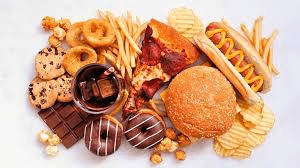
Food is any substance that is eaten or drunk by living organisms to provide energy, promote growth, repair worn-out tissues, and maintain good health.
Functions of Food:
- Provides energy for daily activities
- Promotes growth and development
- Repairs damaged tissues
- Protects the body from diseases
- Regulates body processes
- Maintains good health
WHAT IS NUTRITION?
Nutrition is the process by which the body takes in and uses food for growth, energy, repair, and maintenance of body tissues. It involves eating, digestion, absorption, and utilization of nutrients.
Stages of Nutrition:
- Ingestion: Taking food into the mouth (eating/drinking)
- Digestion: Breaking down food into smaller particles
- Absorption: Nutrients pass into bloodstream
- Assimilation: Nutrients used by body cells
- Egestion: Removal of waste products
WHY WE NEED FOOD
- Energy:
- For walking, running, playing, studying
- For breathing, heartbeat, blood circulation
- For maintaining body temperature
- Measured in calories
- Growth:
- Children need food to grow taller
- Build muscles and bones
- Develop organs and tissues
- Replace worn-out cells
- Repair:
- Heal wounds and injuries
- Replace damaged tissues
- Fix broken bones
- Recover from illness
- Protection:
- Fight diseases and infections
- Strengthen immune system
- Build resistance against germs
- Maintain healthy organs
- Regulation:
- Control body temperature
- Maintain water balance
- Regulate heartbeat
- Control digestion
GOOD NUTRITION vs POOR NUTRITION
Good Nutrition:
- Eating balanced diet
- Proper amounts of all nutrients
- Healthy, strong body
- Good growth and development
- Strong immune system
- Good school performance
Poor Nutrition (Malnutrition):
- Not eating enough food (undernutrition)
- Eating too much food (overnutrition/obesity)
- Not eating variety of foods
- Deficiency diseases
- Weak body and immune system
- Poor growth and development
CLASSES OF FOOD NUTRIENTS
There are SEVEN main classes of food nutrients that our bodies need:
- CARBOHYDRATES
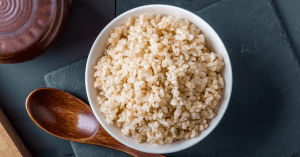
Function:
- Provide energy for body activities
- Main source of energy
- Fuel for brain and muscles
Types:
- Simple carbohydrates: Sugar, honey, sweets (quick energy)
- Complex carbohydrates: Rice, yam, bread (long-lasting energy)
Sources:
- Cereals: Rice, maize, wheat, millet, guinea corn, oats
- Roots and tubers: Yam, cassava, potatoes, cocoyam, sweet potato
- Others: Bread, pasta, noodles, sugar, honey, plantain, bananas
What happens if deficient:
- Lack of energy, weakness, tiredness
- Weight loss
- Cannot perform activities
- Body uses protein for energy instead of growth
What happens if excess:
- Converted to fat and stored
- Weight gain, obesity
- Health problems (diabetes)
- PROTEINS
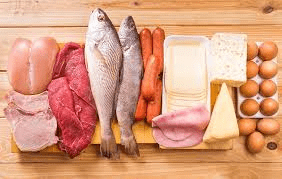
Function:
- Build and repair body tissues
- Promote growth (especially in children)
- Make enzymes and hormones
- Build muscles, skin, hair, nails
- Form antibodies to fight diseases
- Make new cells
Types:
- Animal protein: From animals (complete proteins – better quality)
- Plant protein: From plants (may lack some amino acids)
Sources:
Animal Sources:
- Meat (beef, chicken, goat, pork)
- Fish (mackerel, titus, catfish)
- Eggs
- Milk and dairy products (cheese, yogurt)
- Shrimp, crayfish
Plant Sources:
- Beans (black-eyed peas, kidney beans)
- Soya beans
- Groundnuts (peanuts)
- Melon (egusi)
- Lentils, peas
What happens if deficient:
- Kwashiorkor (severe protein deficiency)
- Marasmus (protein and energy deficiency)
- Poor growth, stunted development
- Weak muscles
- Wounds heal slowly
- Frequent infections
What happens if excess:
- Extra converted to fat
- Kidney problems
- Weight gain
- FATS AND OILS
Function:
- Provide concentrated energy (more than carbohydrates)
- Keep body warm (insulation)
- Protect internal organs (cushioning)
- Help absorb vitamins A, D, E, K
- Make food tasty
- Store energy for future use
Types:
- Saturated fats: Solid at room temperature (butter, lard)
- Unsaturated fats: Liquid at room temperature (vegetable oils – healthier)
Sources:
- Palm oil, groundnut oil, coconut oil
- Butter, margarine
- Cheese, cream
- Fatty meat, fish oil
- Avocado, nuts
- Olive oil, soya oil
What happens if deficient:
- Lack of energy
- Cannot absorb some vitamins
- Dry skin
- Poor insulation (feel cold easily)
What happens if excess:
- Obesity (too much body fat)
- Heart disease
- High cholesterol
- Blocked blood vessels
- VITAMINS
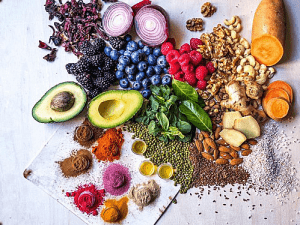
Vitamins are organic compounds needed in small amounts to keep the body healthy and functioning properly.
VITAMIN A (Retinol)
Functions:
- Good eyesight (especially at night)
- Healthy skin
- Healthy hair
- Fights infections
- Helps growth
Sources:
- Carrots, tomatoes
- Oranges, mangoes, pawpaw
- Red palm oil
- Liver, eggs
- Green leafy vegetables
- Yellow vegetables
Deficiency Disease: Night Blindness (Xerophthalmia)
- Cannot see well in dim light or at night
- Dry eyes
- Dry, scaly skin
- Frequent infections
- Poor growth in children
VITAMIN B COMPLEX (Several types: B1, B2, B3, B6, B12)
Functions:
- Release energy from food
- Healthy nervous system
- Form red blood cells
- Healthy skin and hair
- Proper digestion
Sources:
- Beans, peas
- Whole grains (brown rice, wheat)
- Meat, fish, eggs
- Milk, cheese
- Leafy vegetables
- Yeast, liver
Deficiency Disease: Beriberi (Lack of Vitamin B1)
- Weakness and tiredness
- Loss of appetite
- Numbness in hands and feet
- Difficulty walking
- Swollen legs
- Confusion, memory loss
VITAMIN C (Ascorbic Acid)
Functions:
- Healthy gums and teeth
- Heals wounds quickly
- Fights infections
- Helps absorb iron
- Healthy skin
- Strong blood vessels
Sources:
- Citrus fruits (oranges, lemons, lime, grapefruit)
- Tomatoes
- Guava
- Pineapple
- Mangoes
- Green vegetables (cabbage, lettuce)
- Peppers
Deficiency Disease: Scurvy
- Bleeding gums
- Loose teeth, teeth fall out
- Wounds heal slowly
- Skin bruises easily
- Weakness and tiredness
- Swollen, painful joints
- Rough, dry skin
VITAMIN D (Calciferol)
Functions:
- Helps body absorb calcium
- Builds strong bones and teeth
- Prevents bone diseases
- Helps muscles work properly
Sources:
- Sunlight (most important source – body makes it in skin)
- Egg yolk
- Fatty fish (mackerel, sardines)
- Liver
- Milk (fortified)
- Butter
Deficiency Disease: Rickets (in children)
- Soft, weak bones
- Bow legs or knock knees
- Curved spine
- Slow growth
- Weak muscles
- Bone pain
- Deformed chest
Osteomalacia (in adults)
- Soft bones
- Bone pain
- Muscle weakness
VITAMIN E
Functions:
- Protects cells from damage
- Healthy skin
- Healthy eyes
- Strong immune system
- Helps wounds heal
Sources:
- Vegetable oils
- Nuts and seeds
- Green leafy vegetables
- Whole grains
- Eggs
Deficiency:
- Rare, but can cause muscle weakness
- Poor coordination
- Vision problems
VITAMIN K
Functions:
- Blood clotting (stops bleeding)
- Healthy bones
- Wound healing
Sources:
- Green leafy vegetables (spinach, lettuce, cabbage)
- Liver
- Eggs
- Broccoli
Deficiency:
- Excessive bleeding
- Wounds don’t stop bleeding easily
- Easy bruising
- MINERALS
Minerals are inorganic elements needed by the body for various functions.
CALCIUM
Functions:
- Builds strong bones and teeth
- Blood clotting
- Muscle contraction
- Nerve function
- Heart rhythm
Sources:
- Milk and dairy products
- Fish with bones (sardines)
- Green leafy vegetables
- Beans, soya beans
- Eggs, cheese
Deficiency:
- Rickets (in children)
- Osteoporosis (in adults – brittle bones)
- Weak teeth, tooth decay
- Muscle cramps
- Slow growth
IRON
Functions:
- Forms hemoglobin in red blood cells
- Carries oxygen in blood
- Prevents anemia
- Energy production
Sources:
- Red meat, liver
- Fish
- Beans, lentils
- Green leafy vegetables (spinach)
- Egg yolk
- Groundnuts
Deficiency Disease: Anemia
- Pale skin, lips, and tongue
- Weakness and extreme tiredness
- Dizziness, headaches
- Shortness of breath
- Fast heartbeat
- Cannot concentrate
- Cold hands and feet
- Frequent infections
IODINE
Functions:
- Thyroid gland function
- Produces thyroid hormones
- Controls metabolism
- Brain development
- Growth and development
Sources:
- Iodized salt (table salt)
- Seafood (fish, shrimp)
- Seaweed
- Eggs
- Dairy products
Deficiency Disease: Goitre
- Swollen neck (enlarged thyroid gland)
- Difficulty swallowing
- Coughing
- Weight gain
- Tiredness
- Slow thinking
- In severe cases: mental retardation (cretinism)
PHOSPHORUS
Functions:
- Works with calcium for strong bones and teeth
- Energy production
- Kidney function
Sources:
- Milk, cheese
- Meat, fish
- Beans, nuts
- Whole grains
SODIUM
Functions:
- Maintains fluid balance
- Nerve and muscle function
- Blood pressure regulation
Sources:
- Table salt
- Most foods naturally contain some sodium
Deficiency/Excess:
- Too little: muscle cramps, weakness
- Too much: high blood pressure
- WATER
Functions:
- Most important nutrient (body is 60-70% water)
- Helps digestion
- Transports nutrients in blood
- Removes waste products (urine, sweat)
- Regulates body temperature
- Cushions organs and joints
- Helps chemical reactions in body
Sources:
- Drinking water
- Fruits (oranges, watermelon, pineapple)
- Vegetables (cucumber, lettuce, tomatoes)
- Soups, juices
- Milk
Amount Needed:
- Children: 6-8 glasses per day
- Adults: 8-10 glasses per day
- More in hot weather or during exercise
Deficiency: Dehydration
- Thirst
- Dry mouth and lips
- Dark yellow urine
- Tiredness, weakness
- Dizziness, headache
- Cannot concentrate
- Dry skin
- In severe cases: can be life-threatening
- ROUGHAGE (DIETARY FIBER)
Definition: Roughage is the indigestible part of plant foods that helps move food through the digestive system.
Functions:
- Aids digestion
- Prevents constipation
- Helps food move through intestines
- Makes you feel full
- Prevents some diseases (colon cancer)
- Controls blood sugar
- Lowers cholesterol
Sources:
- Fruits (with skin): apples, pears, oranges
- Vegetables: cabbage, lettuce, carrots
- Whole grains: brown rice, whole wheat bread, oats
- Beans, lentils
- Nuts and seeds
- Corn, popcorn
Deficiency:
- Constipation (difficulty passing stool)
- Stomach pain
- Bloating
- Irregular bowel movements
- Increased risk of colon diseases
BALANCED DIET
A balanced diet is a diet that contains all the classes of food nutrients in the right proportions to maintain good health.
Components of Balanced Diet:
- Carbohydrates: 50-60%
- Proteins: 15-20%
- Fats: 20-30%
- Vitamins, minerals, water, roughage: Adequate amounts
Example of Balanced Meal:
- Breakfast: Bread (carbohydrate) + Egg (protein) + Orange juice (vitamin C) + Milk (calcium)
- Lunch: Rice (carbohydrate) + Fish stew (protein, fats) + Vegetables (vitamins, minerals, roughage) + Water
- Dinner: Yam (carbohydrate) + Bean sauce (protein) + Plantain + Vegetable salad + Water
TIPS FOR GOOD NUTRITION
- Eat variety of foods daily
- Include all food groups in every meal
- Eat plenty of fruits and vegetables
- Drink at least 6-8 glasses of water daily
- Eat three meals a day (breakfast, lunch, dinner)
- Don’t skip breakfast (most important meal)
- Limit sugary foods and drinks
- Eat moderate portions (not too much)
- Wash fruits and vegetables before eating
- Practice good hygiene when handling food
EVALUATION
- Define food and nutrition
- List the seven classes of food nutrients
- What disease is caused by lack of Vitamin C?
- Name three sources of protein
- What are the functions of carbohydrates in the body?
MULTIPLE CHOICE QUESTIONS
- How many classes of food nutrients are there?
- a) Five
- b) Six
- c) Seven
- d) Eight
- Which nutrient provides the most energy?
- a) Proteins
- b) Vitamins
- c) Carbohydrates and Fats
- d) Water
- Protein is needed mainly for ________
- a) Energy only
- b) Growth and repair
- c) Warmth
- d) Digestion only
- Scurvy is caused by lack of ________
- a) Vitamin A
- b) Vitamin B
- c) Vitamin C
- d) Vitamin D
- Which nutrient helps us see well at night?
- a) Vitamin A
- b) Calcium
- c) Iron
- d) Protein
- Rickets is caused by lack of ________
- a) Vitamin A
- b) Vitamin C
- c) Vitamin D and Calcium
- d) Iron
- Beans are a good source of ________
- a) Vitamin C
- b) Protein
- c) Calcium only
- d) Water only
- Anemia is caused by lack of ________
- a) Calcium
- b) Iodine
- c) Iron
- d) Vitamin A
- Goitre is caused by lack of ________
- a) Iron
- b) Calcium
- c) Iodine
- d) Vitamin C
- Which nutrient helps in digestion?
- a) Fats
- b) Proteins
- c) Roughage
- d) Carbohydrates
- Kwashiorkor is caused by lack of ________
- a) Carbohydrates
- b) Protein
- c) Water
- d) Vitamins only
- Water is needed for _______
Third Term Basic Technology Lesson Notes for Other Topics

Health and Hygiene
Explore lesson notes covering all topics.

Simple Machines
Explore lesson notes covering all topics.

Booting
Explore lesson notes covering all topics.

Teeth Brushing
Explore lesson notes covering all topics.

Simple Machines - The Safe Use of Simple Machines
Explore lesson notes covering all topics.

Care of the Nails and Hair
Explore lesson notes covering all topics.

Concept of Technology
Explore lesson notes covering all topics.

Steps of Booting
Explore lesson notes covering all topics.

Cleanliness
Explore lesson notes covering all topics.

Technology in Home - Electric Gadgets
Explore lesson notes covering all topics.

First Aid
Explore lesson notes covering all topics.

Technology in Transportation - Land and Air
Explore lesson notes covering all topics.

First Aid (Continued)
Explore lesson notes covering all topics.

What Is Water Transportation?
Explore lesson notes covering all topics.

My Desktop (Review)
Explore lesson notes covering all topics.
Lesson Notes for Other Classes

Basic 1 Lesson Note
The complete lesson note to guide your studies.

Basic 2 Lesson Note
The complete lesson note to guide your studies.

Basic 3 Lesson Note
The complete lesson note to guide your studies.

Basic 4 Lesson Note
The complete lesson note to guide your studies.

Basic 5 Lesson Note
The complete lesson note to guide your studies.

JSS1 Lesson Note
The complete lesson note to guide your studies.