
Sound Energy Basic 2 Basic Science Lesson Note
Download Lesson NoteTopic: Sound Energy
Learning Objectives: By the end of this lesson, pupils should be able to:
- identify sounds of different objects and animals
- mention various instruments that can make sound
- produce local instruments that can make sounds
- create sound with any man-made instrument
Lesson Content:
Sound Energy:
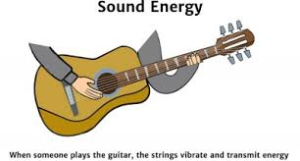
What is Sound Energy? Sound energy is a form of energy that we can hear. It is created when objects vibrate (shake back and forth quickly).
How Sound is Made:
- Objects must vibrate to make sound
- Vibrations move through air to our ears
- Our ears detect the vibrations as sound
- No vibration = no sound
Sounds of Different Objects:
Household Objects:
- Door: Bang, creak, slam
- Clock: Tick, tock, alarm ring
- Kettle: Whistle when water boils
- Phone: Ring, beep, buzz
- Car: Engine vroom, horn honk
- Bell: Ring, ding, dong
Kitchen Objects:
- Plates: Clink when touched together
- Spoon on pot: Ding, clang
- Boiling water: Bubble, gurgle
- Blender: Whirr, buzz
- Microwave: Beep, hum
Animal Sounds:
- Dog: Bark, woof, howl
- Cat: Meow, purr, hiss
- Cow: Moo, low
- Chicken: Cluck, cock-a-doodle-doo
- Duck: Quack
- Lion: Roar
- Elephant: Trumpet
- Frog: Croak, ribbit
Instruments That Make Sound:
Traditional/Local Instruments:
- Talking drum: Beaten with sticks, changes pitch
- Shekere: Shaken gourd with beads
- Flute: Blown into, makes soft sounds
- Bells: Metal pieces that ring
- Clapping sticks: Two sticks hit together
Modern Instruments:
- Piano: Keys pressed to make notes
- Guitar: Strings plucked or strummed
- Trumpet: Blown into brass tube
- Drums: Hit with sticks or hands
- Violin: Bow drawn across strings
How to Produce Local Instruments:
Making a Shaker: Materials: Empty plastic bottle, rice/beans/small stones Steps:
- Get clean empty bottle
- Put rice or beans inside
- Close bottle tightly
- Shake to make sound
Making Simple Drums: Materials: Empty tin/container, rubber/plastic sheet, rubber band Steps:
- Cover open end with rubber sheet
- Secure with rubber band
- Hit surface with hands or sticks
- Different sizes make different sounds
Making Clapping Sticks: Materials: Two wooden sticks or rulers Steps:
- Find two similar wooden pieces
- Hold one in each hand
- Hit them together rhythmically
- Try different ways of hitting
Making Bottle Flute: Materials: Empty bottle Steps:
- Get clean empty bottle
- Blow across the top opening
- Change the sound by adding water
- Different water levels make different notes
Creating Sounds with Man-Made Instruments:
Using Everyday Items as Instruments:
- Spoons: Hit together or on surfaces
- Pots and pans: Use as drums with wooden spoons
- Rubber bands: Stretch and pluck for guitar-like sounds
- Glasses with water: Tap gently for bell sounds
- Cardboard boxes: Use as drums or shakers
Sound Activities:
- Sound walk: Listen to sounds around school
- Guess the sound: Close eyes, identify sounds
- Make a band: Use homemade instruments together
- Sound story: Tell story using sound effects
Caring for Sound/Hearing:
- Don’t make very loud sounds that hurt ears
- Protect your ears from very loud noises
- Listen to pleasant sounds like music
- Give your ears rest from loud sounds
Third Term Basic Science Lesson Notes for Other Topics

Simple Machines
Explore lesson notes covering all topics.

Simple Machines - The Safe Use of Simple Machines
Explore lesson notes covering all topics.

Concept of Technology
Explore lesson notes covering all topics.

Technology in Home - Electric Gadgets
Explore lesson notes covering all topics.

Technology in Transportation - Land and Air
Explore lesson notes covering all topics.

What Is Water Transportation?
Explore lesson notes covering all topics.

Exploring Your Environment I
Explore lesson notes covering all topics.

Exploring Your Environment II
Explore lesson notes covering all topics.

Exploring Your Environment III
Explore lesson notes covering all topics.
Animals - As Living Things (Characteristics)
Explore lesson notes covering all topics.

Uses of Animals
Explore lesson notes covering all topics.
Meaning and Characteristics of Plants
Explore lesson notes covering all topics.

Meaning and Characteristics of Animals
Explore lesson notes covering all topics.

Plants - As Living Things II
Explore lesson notes covering all topics.

Uses of Plants
Explore lesson notes covering all topics.
Lesson Notes for Other Classes

Basic 1 Lesson Note
The complete lesson note to guide your studies.

Basic 3 Lesson Note
The complete lesson note to guide your studies.

Basic 4 Lesson Note
The complete lesson note to guide your studies.
Basic 5 Lesson Note
The complete lesson note to guide your studies.
Basic 6 Lesson Note
The complete lesson note to guide your studies.

JSS1 Lesson Note
The complete lesson note to guide your studies.