
Road Users – Basic 2 Basic Science Lesson Note (Third Term)
Download this term · ₦1,000Lesson note at a glance
- Subject
- Basic Science
- Class
- Basic 2
- Term
- Third Term
- Topic
- Road Users
- Order
- Topic 8 of 8 this term
- Reading time
- 4 min
Learning Objectives: By the end of this lesson, pupils should be able to:
- Say the meaning of roads
- Identify different road users (cars, bicycles, motorcycles, humans, animals etc.)
- Explain how each user correctly uses the road
Lesson Content:
Meaning of Roads: A road is a prepared surface or pathway built for vehicles and people to travel from one place to another. Roads connect different locations and help people move safely.
Types of Roads:
- Highways: Big roads for fast travel between cities

- Streets: Roads in towns and cities with houses and shops
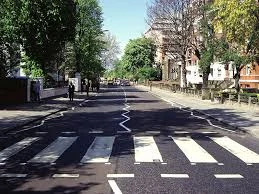
- Footpaths: Special roads for people walking

- Bicycle lanes: Special roads for bicycles only
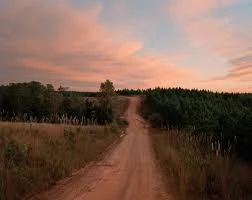
- Dirt roads: Unpaved roads in rural areas
Different Road Users:
Motor Vehicles:
- Cars: Private vehicles for families
- Buses: Public transport for many people
- Trucks: Large vehicles carrying goods
- Motorcycles: Two-wheeled motor vehicles
- Ambulances: Emergency medical vehicles
- Fire trucks: Emergency vehicles for fires
- Police cars: Law enforcement vehicles
Non-Motor Vehicles:
- Bicycles: Two-wheeled pedal vehicles
- Wheelchairs: For people with mobility challenges
- Carts: Pushed or pulled by people
- Horse-drawn carriages: In some areas
Pedestrians (People Walking):
- Adults: Walking to work, shopping, exercise
- Children: Going to school, playing (with adults)
- Elderly people: May walk slowly, need extra care
- People with disabilities: May need special assistance
Animals:
- Domestic animals: Cattle, goats, sheep crossing roads
- Wild animals: May wander onto roads
- Working animals: Horses, donkeys carrying loads
- Pets: Dogs, cats (should be controlled near roads)
How Each Road User Should Correctly Use Roads:
Car Drivers:
- Stay in proper lane: Don’t cross into other lanes
- Follow speed limits: Don’t drive too fast or too slow
- Use indicators: Signal before turning or changing lanes
- Stop at traffic lights: Red means stop, green means go
- Yield to pedestrians: Let people cross at crosswalks
- Keep safe distance: Don’t follow other cars too closely
- No phone use: Don’t talk on phone while driving
Bus Drivers:
- Stop only at bus stops: Pick up passengers at designated areas
- Be extra careful: Many people depend on buses
- Check mirrors: Watch for pedestrians and cyclists
- Drive smoothly: Avoid sudden stops and starts
- Open doors safely: Make sure area is clear
Motorcycle Riders:
- Wear helmets: Protect head from injury
- Use headlights: Be visible to other road users
- Stay in lane: Don’t weave between cars
- Follow traffic rules: Same rules as cars
- Be extra cautious: Motorcycles are smaller, less visible
Bicycle Riders:
- Ride in bicycle lanes: Use designated paths when available
- Stay close to curb: Keep to side of road
- Wear bright colors: Be visible to drivers
- Use hand signals: Show when turning or stopping
- Wear helmet: Protect head from injury
- Follow traffic signs: Obey same rules as vehicles
- Don’t ride on sidewalks: Unless specifically allowed
Pedestrians (People Walking):
- Use sidewalks: Walk on paths made for people
- Cross at crosswalks: Use designated crossing areas
- Look both ways: Check for traffic before crossing
- Wait for walk signal: At traffic light crossings
- Walk facing traffic: When no sidewalk available
- Be visible: Wear bright colors, especially at night
- Hold adult’s hand: Children should not walk alone near roads
Truck Drivers:

- Drive slowly: Large vehicles need more time to stop
- Use proper lanes: Often restricted from certain lanes
- Check blind spots: Large vehicles have areas driver can’t see
- Allow extra space: Need more room for turning
- Secure loads: Make sure cargo won’t fall off
Emergency Vehicles:
- Use sirens and lights: Warn other road users
- Have right of way: Other vehicles must move aside
- Drive carefully: Even in emergencies, safety first
Animals on Roads:
- Should be controlled: Owners responsible for keeping animals off roads
- Cross quickly: When necessary, get across road fast
- Herders should guide: People should direct animals safely
Road Safety Rules for Everyone:
General Rules:
- Pay attention: Watch what’s happening around you
- Follow traffic signals: Obey lights and signs
- Be patient: Don’t rush or take dangerous shortcuts
- Be courteous: Help other road users when safe
- Report dangers: Tell authorities about road problems
Special Considerations:
- School zones: Extra care when children are around
- Construction areas: Slow down, follow temporary signs
- Weather conditions: Drive/walk more carefully in rain
- Night time: Use lights, wear reflective clothing
Road Safety for Children:
- Never play on roads: Roads are for traveling, not playing
- Always with adults: Don’t go near roads without grown-ups
- Hold hands: When crossing or walking near roads
- Learn road signs: Understand what different signs mean
- Bright clothing: Wear colors that drivers can see easily
Common Road Problems:
- Traffic jams: Too many vehicles, not enough road space
- Accidents: When road users don’t follow rules
- Poor road conditions: Holes, damaged surfaces
- Weather hazards: Rain, fog making roads dangerous
Multiple Choice Exercise:
- A road is: a) Only for cars b) A prepared surface for travel c) Only for people d) Only for animals
- When crossing a road, pedestrians should: a) Run quickly b) Look both ways and use crosswalks c) Cross anywhere d) Close their eyes
- To shut down a computer completely, you should: a) Use sleep mode b) Use hibernate c) Use shutdown d) Just turn off the monitor
- Bicycle riders should: a) Ride anywhere on the road b) Stay close to the curb and wear helmets c) Never follow traffic rules d) Only ride at night
Answers: 1(b), 2(b), 3(c), 4(b
This term's Basic Science topics
Basic 2 Third Term · 8 topics
Get Basic Science as PDF and Word
Every week of Basic 2 Basic Science, Third Term, formatted and ready to print. Ad-free, and the copy lock comes off.
Get this term Card, bank transfer, USSD or OPay
Basic 2 Basic Science Lesson Notes for Other Topics

Forms Of Energy
Read the full lesson note.
Sound Energy
Read the full lesson note.
Colour: Meaning, Types, & Uses of Colour
Read the full lesson note.
Air: Meaning, Uses & Gases in Air
Read the full lesson note.
Air Flotation
Read the full lesson note.
Water - Objects That Float
Read the full lesson note.
Water - Objects That Sink
Read the full lesson note.

Living and Non-Living Things
Read the full lesson note.
The Senses
Read the full lesson note.
The Senses - Sight
Read the full lesson note.
The Senses - Hearing
Read the full lesson note.

The Senses - Smell
Read the full lesson note.

The Senses - Taste
Read the full lesson note.

The Senses - Touch
Read the full lesson note.
Sandy Soil
Read the full lesson note.
Lesson Notes for Other Classes

Basic 1 Lesson Note
The complete lesson note to guide your studies.

Basic 3 Lesson Note
The complete lesson note to guide your studies.

Basic 4 Lesson Note
The complete lesson note to guide your studies.

Basic 5 Lesson Note
The complete lesson note to guide your studies.
Basic 6 Lesson Note
The complete lesson note to guide your studies.
