
Security Precaution on the Road – Basic 1 Security Education Lesson Note (Second Term)
Download this term · ₦1,000Lesson note at a glance
- Subject
- Security Education
- Class
- Basic 1
- Term
- Second Term
- Topic
- Security Precaution on the Road
- Order
- Topic 3 of 10 this term
- Reading time
- 6 min
Road safety means following rules and taking precautions to prevent accidents when we are on or near roads. Children stay safe by knowing road signs, crossing at safe places, using the stop, look, listen, think, cross method, holding an adult’s hand and being visible to drivers. Obeying these rules protects you and other road users.
Behavioural objectives
By the end of the lesson, students should be able to:
- identify some road signs and their meanings
- practise road safety precautions
What is road safety?
Roads help us travel from one place to another, but they can be dangerous if we do not follow safety rules. Road safety means following rules and taking precautions to prevent accidents when we are on or near roads.
Why is road safety important?
- Cars, motorcycles and other vehicles move fast.
- Accidents can cause serious injuries or death.
- Following rules protects you and others.
- Safe roads make everyone happy.
Which road signs should children know?
1. Stop sign
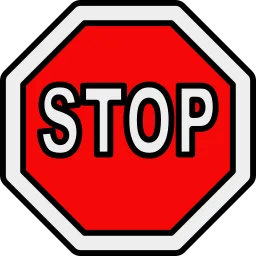
- Shape: Red octagon (8 sides)
- Meaning: Stop completely! Don’t move!
- What to do:
- Vehicles must stop completely.
- Pedestrians must not cross until it is safe.
- Look all around before moving.
2. Zebra crossing (pedestrian crossing)
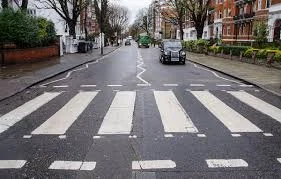
- What it looks like: White stripes on the road (like a zebra)
- Meaning: A safe place for people to cross
- What to do:
- Cross here.
- Wait for cars to stop.
- Look left and right.
- Walk quickly but do not run.
- Hold an adult’s hand.
3. Traffic lights
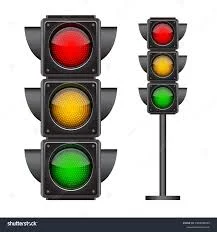
- Red light: Stop! Don’t cross! Danger!
- Yellow/amber light: Get ready! Be careful!
- Green light: Safe to go (but still look both ways)
- What to do:
- Obey the lights.
- Red: stop and wait.
- Green: look and cross carefully.
- Yellow: stop if you have not started crossing.
4. Children crossing sign
- What it looks like: A triangle with a picture of children
- Meaning: School zone! Children crossing here!
- What to do:
- Cars must slow down.
- Children should use this crossing.
- Be extra careful near schools.
5. No entry sign
- What it looks like: A red circle with a white horizontal bar
- Meaning: Don’t enter! Wrong way!
- What to do: Do not go in that direction.
6. Speed limit sign
- What it looks like: A circle with numbers
- Meaning: Cars must not go faster than this speed
- What to do: Drivers must keep to the speed shown. Children should know that cars must go slowly near schools.
7. Warning signs (yellow triangles)
- Bump ahead: The road is not smooth
- Sharp turn: The road bends sharply
- Slippery road: The road can be slippery when wet
- Meaning: Be careful! Danger ahead!
8. School zone sign
- What it looks like: A sign showing “School Zone” or children
- Meaning: School nearby, children present
- What to do: Be extra careful and move slowly.
What road safety precautions should children take?
When walking on the road
- Walk on the footpath, NEVER on the road.
- If there is no footpath, walk facing traffic (so you can see cars coming).
- Walk in single file if you are with friends.
- Do not play or run on the footpath.
- Watch out for vehicles coming out of driveways.
- Pay attention: do not use a phone or play while walking.
When crossing the road
- STOP at the edge of the road.
- LOOK left, then right, then left again.
- LISTEN for vehicles.
- THINK: Is it safe to cross?
- CROSS quickly but do not run.
- Keep looking while crossing.
- Use a zebra crossing or pedestrian crossing.
- ALWAYS hold an adult’s hand.
- Never cross between parked cars.
- Obey traffic lights.
The “Hold Hands” rule
Children should ALWAYS hold an adult’s hand when they are:
- crossing any road
- walking near busy roads
- in car parks
- near any moving vehicles
Safe and dangerous places to cross
Safe places
- Zebra crossings
- Pedestrian crossings with traffic lights
- Footbridges (bridges for walking over roads)
- Subways (underground passages)
- Places where a traffic warden helps
Dangerous places
- Between parked cars
- On sharp bends
- Near hills where you cannot see far
- On very busy roads without crossings
What not to do on the road
- Don’t run onto the road to get a ball or toy.
- Don’t play on or near the road.
- Don’t cross without looking.
- Don’t run while crossing.
- Don’t walk while using a phone or tablet.
- Don’t ignore traffic lights.
- Don’t cross when cars are coming.
- Don’t let go of an adult’s hand near roads.
Be visible
- Wear bright-coloured clothes.
- At night, wear reflective clothing if possible.
- Carry a torch when it is dark.
- Make sure drivers can see you.
Around parked cars
- Walk behind parked cars, not in front.
- Be careful: someone might be about to drive.
- Watch for reversing cars (white lights at the back).
- Never play hide and seek around cars.
What is the Safe Cross Code?
The code is easy to remember because the first letters spell STOP:
- S: STOP at the kerb (edge of the road)
- T: THINK about what you see and hear
- O: OBSERVE (look and listen for traffic)
- P: PROCEED carefully when it is safe
You can also use this method: STOP, LOOK, LISTEN, THINK, CROSS.
Road safety poem
Left and right and left again,
Look both ways like clever men,
Hold the hand of adult dear,
Cross the road without any fear!
What special road safety tips should children know?
On rainy days
- Be extra careful because roads are slippery.
- Wear bright clothes so drivers can see you.
- Cars take longer to stop on wet roads.
At night
- Stay with adults always.
- Wear light-coloured or reflective clothing.
- Carry a torch.
In car parks
- Hold an adult’s hand.
- Watch for reversing cars.
- Don’t run between cars.
Who helps keep roads safe?
Traffic wardens
- Wear reflective jackets.
- Help children cross roads near schools.
- Hold stop signs.
- ALWAYS obey them!
Police officers
- Control traffic.
- Help when there are accidents.
- Make sure everyone follows the rules.
Class activity
- Draw some road signs.
- Role play crossing the road safely.
- Practise the “stop, look, listen, think, cross” method.
Discussion
- What road signs have you seen on your way to school?
- Who helps you cross the road?
- Why is it dangerous to run onto the road?
Evaluation
- The red traffic light means _____
- a) go
- b) stop
- c) run fast
- Where should you cross the road?
- a) Anywhere
- b) Between parked cars
- c) At a zebra crossing
- Before crossing, you should look _____
- a) at the sky
- b) left, right, left again
- c) behind only
- On the road, you should hold _____
- a) your toys
- b) an adult’s hand
- c) nothing
- A STOP sign has _____ sides
- a) 3
- b) 4
- c) 8
- You should walk on the _____, not on the road
- a) grass
- b) footpath
- c) cars
Answers: 1-b, 2-c, 3-b, 4-b, 5-c, 6-b
Assignment
- Draw and colour a traffic light correctly.
- Draw a zebra crossing.
- On your way home, count how many road signs you see with your parents.
- Practise the “stop, look, listen, think, cross” rule with your parents.
This term's Security Education topics
Basic 1 Second Term · 10 topics
Get Security Education as PDF and Word
Every week of Basic 1 Security Education, Second Term, formatted and ready to print. Ad-free, and the copy lock comes off.
Get this term Card, bank transfer, USSD or OPay
Second Term Security Education Lesson Notes for Other Topics
Security Precaution at Home
Read the full lesson note.
Security Precaution in the Office
Read the full lesson note.
Precautions in the Car/Buses
Read the full lesson note.
Security Precaution in the Environment
Read the full lesson note.
General Security Tips
Read the full lesson note.
Security Precaution in the School
Read the full lesson note.

Security Precautions: Personal Measures
Read the full lesson note.
Security Precautions
Read the full lesson note.
Identify Sources of Danger
Read the full lesson note.
Security Management
Read the full lesson note.
Types of Security Management
Read the full lesson note.

Importance of Security Management
Read the full lesson note.
Safety and Security Management
Read the full lesson note.

Managing Security
Read the full lesson note.
Threat to Security
Read the full lesson note.
Lesson Notes for Other Classes

Basic 2 Lesson Note
The complete lesson note to guide your studies.

Basic 3 Lesson Note
The complete lesson note to guide your studies.

Basic 4 Lesson Note
The complete lesson note to guide your studies.

Basic 5 Lesson Note
The complete lesson note to guide your studies.

Basic 6 Lesson Note
The complete lesson note to guide your studies.
JSS1 Lesson Note
The complete lesson note to guide your studies.

