
Security Precaution in the School – Basic 1 Security Education Lesson Note (Second Term)
Download this term · ₦1,000Lesson note at a glance
- Subject
- Security Education
- Class
- Basic 1
- Term
- Second Term
- Topic
- Security Precaution in the School
- Order
- Topic 5 of 7 this term
- Reading time
- 10 min
School security precautions are the safe habits and rules that protect children at school. They cover arriving and leaving, the classroom, the playground, toilets, break time, special rooms, fire drills, strangers, stairs, school activities, reporting problems and bullying. Following them helps prevent accidents, injuries, kidnapping and harm from harmful objects or strangers.
Behavioural objectives
By the end of the lesson, students should be able to:
- Mention security precautions to be taken in school
- Describe security precautions in school
- Explain why school security is important
Why do we need security precautions at school?
School is our second home. We spend many hours at school every day, so it is very important to know how to stay safe. Security precautions are needed at school for these reasons:
- Many children are together
- There are different areas (classrooms, playground, toilets)
- We use different equipment
- We might meet strangers near school
- Accidents can happen if we are not careful
- Everyone’s safety is important
What are the school security precautions?
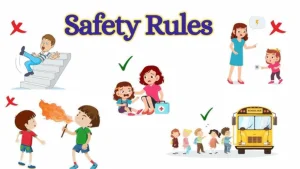
1. Arrival and dismissal
Coming to school
- Arrive at school with your parents or a trusted adult
- Never walk to school alone
- Enter through the main gate only
- Greet the security guard
- Go straight to your classroom
- Don’t wander around
Why: It prevents getting lost or meeting dangerous people.
Leaving school
- Only leave with authorised people
- Wait for your parents in the designated area
- Don’t leave the school compound alone
- Tell your teacher who is picking you up
- If your regular pickup person can’t come, parents must inform the school
Why: It prevents kidnapping and ensures you get home safely.
If someone else picks you up
Your teacher must know:
- Who is allowed to pick you up
- This person should be on the school’s authorised list
- The person must show ID
- Never go with someone unless your teacher says it is okay
2. In the classroom
Sitting safely
- Sit properly on your chair (all four legs on the floor)
- Don’t rock back on your chair
- Don’t lean too far back
- Keep your area tidy
- Don’t put your feet in the aisle
Why: It prevents falls and injuries.
Using school supplies safely
- Scissors: Point down, don’t run with them, pass them handle-first
- Pencils and pens: Don’t put them in your mouth, don’t point them at others, don’t throw them
- Glue: Don’t eat it, use it only for projects
- Crayons: Don’t eat them, don’t put them in your nose or ears
- Rulers: Don’t use them as swords, be gentle
Why: It prevents injuries to yourself and classmates.
Doors and windows
- Don’t slam doors
- Keep fingers away from door hinges
- Don’t lean out of windows
- Don’t throw things out of windows
- Windows should only be opened by the teacher
Why: It prevents crushed fingers and falls.
If you feel sick
- Tell your teacher immediately
- Don’t wait until it is too serious
- Go to the school clinic
- Never leave the classroom without permission
3. On the playground
Playing safely
- Stay in areas where teachers can see you
- Don’t go near the school fence or gate
- Don’t leave the playground
- Play in designated areas only
- Follow playground rules
Why: Teachers can help if something goes wrong.
Equipment safety
Swings:
- Sit properly, don’t stand
- Hold on with both hands
- One person at a time
- Don’t jump off while moving
- Don’t walk in front of moving swings
- Wait your turn
Slides:
- Go down feet-first, sitting up
- One person at a time
- Wait until the person before you has moved away
- Don’t climb up the slide
- Don’t slide down head-first
Climbing equipment:
- Use both hands
- Don’t push others
- Climb carefully
- Don’t jump from high places
- Check that equipment is not wet or broken
Seesaw:
- Hold on tightly
- Don’t jump off suddenly (your partner will fall)
- Watch your partner
- One person on each side
General playground rules
- Don’t push or shove
- Don’t play rough games
- Don’t throw sand or rocks
- Don’t run near people on swings
- Take turns
- Be kind to others
- Walk, don’t run, to avoid collisions
- Tell your teacher if equipment is broken
Why: It prevents injuries and accidents.
4. Not playing with harmful objects
Never touch or play with the following.
Sharp objects
- Broken glass
- Sharp sticks
- Pins or needles
- Broken plastic
- Sharp edges
Why: They can cut you deeply.
What to do: Tell a teacher immediately and don’t touch them.
Dangerous items
- Unknown liquids or chemicals
- Medicine pills
- Insects or strange bugs
- Dead animals
- Syringes or needles
- Ropes or wires lying around
Why: They can poison you or harm you.
What to do: Leave it alone and tell a teacher right away.
Electrical items
- Don’t touch electrical boxes
- Don’t touch exposed wires
- Don’t plug in or unplug things
- Don’t play with switches
Why: They can shock you.
Construction materials (if the school is being renovated)
- Don’t enter construction areas
- Don’t touch building materials
- Don’t go near machinery
- Stay away from the area
Why: It is very dangerous because things can fall on you.
5. Not walking alone
Always use the buddy system
- Go to the toilet with a friend
- Walk in the corridors with others
- Don’t isolate yourself
- Stay in pairs or groups
Why: There is safety in numbers, and someone can help if you need it.
Places where you should never be alone
- Toilets
- Empty classrooms
- Isolated corners of the playground
- Behind buildings
- Store rooms
- Empty corridors
Why: If something happens, no one will know or hear.
If you need to go somewhere
- Tell your teacher
- Go with a friend
- Come back quickly
- Don’t wander around
6. In the school toilet
Safety rules
- Go with a friend
- Don’t play in the toilet
- Don’t lock yourself in (in case you need help)
- If the lock is stuck, call for help calmly
- Wash your hands after using the toilet
- Don’t waste water by playing
- Don’t stand on the toilet seat
- Report if something is broken
Why: Toilets can be slippery, and you might need help.
If you see something wrong
- Overflowing toilet
- Broken door
- Water on the floor
- Strangers in the toilet
What to do: Tell a teacher immediately.
7. During lunch or break time
Food safety
- Eat your own food only
- Don’t share food if you have allergies
- Don’t eat food that fell on the floor
- Wash your hands before eating
- Don’t accept food from strangers
- Tell your teacher if you feel sick after eating
Why: It prevents food poisoning and allergic reactions.
In the canteen or lunch area
- Queue properly
- Don’t push
- Carry your plate carefully
- Sit while eating
- Don’t run with food
- Clean up after yourself
8. In special rooms
Science lab and computer lab
- Listen to the teacher’s instructions
- Don’t touch equipment without permission
- Handle everything carefully
- Report if something breaks
- Don’t eat or drink in labs
Library
- Be quiet
- Walk carefully
- Don’t run between shelves
- Handle books gently
- Push chairs in after use
Art room
- Use materials properly
- Don’t play with scissors
- Clean up spills
- Wear an apron if needed
- Follow the teacher’s instructions
9. Fire safety at school
Prevention
- Don’t play with matches or lighters
- Don’t bring flammable items
- Report electrical problems
- Don’t block fire exits
During a fire drill
- Stop what you are doing immediately
- Stay calm and don’t panic
- Listen to the teacher
- Line up quickly and quietly
- Walk, don’t run
- Leave your belongings behind
- Follow the evacuation route
- Go to the assembly point
- Stay with your class
- Wait for the teacher to count everyone
Why: Practice helps you know what to do in a real fire.
10. Stranger danger at school
Who can be in school
- Teachers and staff (you know them)
- Students
- Parents (during drop-off, pick-up or meetings)
- Authorised visitors (with badges)
If you see a stranger
A stranger in school is someone you don’t recognise who:
- Doesn’t have a visitor badge
- Looks suspicious
- Asks you strange questions
- Tries to take you somewhere
- Offers you things
What to do:
- Don’t talk to them
- Don’t go with them
- Tell a teacher immediately
- Don’t accept anything from them
- Stay with your friends
11. Using stairs safely
Stair safety rules
- Hold the handrail
- Walk, don’t run
- One step at a time
- Don’t push
- Don’t carry too many things (they block your view)
- Keep to your side
- Don’t sit on stairs
- Don’t jump steps
- Look where you are going
Why: Falling down stairs can cause serious injuries.
12. During school activities
School trips and excursions
- Stay with your group
- Listen to the teacher
- Don’t wander off
- Know your teacher’s phone number
- Hold your buddy’s hand
- Follow all instructions
- Stay where the teacher can see you
Sports and PE class
- Wear proper shoes
- Follow game rules
- Don’t play rough
- Warm up before exercise
- Tell your teacher if you are injured
- Use equipment properly
Assembly
- Sit or stand properly
- Don’t push
- Enter and exit in an orderly way
- Listen to instructions
13. Reporting problems
Always tell a teacher if:
- Someone is hurt
- Someone is being bullied
- You see a stranger
- Something is broken and dangerous
- You feel sick
- Someone makes you uncomfortable
- There is a fire or emergency
- You see something suspicious
- A friend is in trouble
- You are lost
- Someone is fighting
Why: Teachers can help fix problems.
How to report
- Speak clearly
- Tell the truth
- Explain what happened
- Show them if necessary
- Don’t be afraid
14. Anti-bullying
What is bullying?
- Hitting, pushing or hurting others
- Calling names
- Taking others’ things
- Leaving someone out on purpose
- Making fun of others
If someone bullies you
- Tell them to stop firmly
- Walk away
- Tell a teacher or parent
- Don’t fight back
- Stay with friends
- Don’t keep it secret
If you see bullying
- Don’t join in
- Tell the bully to stop
- Help the person being bullied
- Tell a teacher
- Be a friend to the victim
School security checklist
- Only leave school with authorised people
- Stay where teachers can see you
- Don’t play with harmful objects
- Always have a buddy
- Obey all school rules
- Report problems to teachers
- Be kind to others
- Keep yourself and others safe
Remember: School rules are there to protect you.
Class discussion
- What security rules do we have in our school?
- Why are these rules important?
- What should you do if you see someone breaking safety rules?
Evaluation
Choose the correct answer.
- You should only leave school with _____
- a) anyone
- b) strangers
- c) authorised people
- When using scissors, you should point them _____
- a) at friends
- b) downward
- c) at your face
- On the playground, you should stay where _____
- a) no one can find you
- b) teachers can see you
- c) behind buildings
- If you find broken glass on the playground, you should _____
- a) play with it
- b) tell a teacher
- c) pick it up
- When going to the toilet, you should _____
- a) go alone
- b) go with a friend
- c) not tell anyone
- During a fire drill, you should _____
- a) run and panic
- b) stay calm and follow instructions
- c) hide
- If you see a stranger in school, you should _____
- a) talk to them
- b) tell a teacher
- c) follow them
Answers: 1-c, 2-b, 3-b, 4-b, 5-b, 6-b, 7-b
Assignment
- List five school security rules.
- Draw yourself and a friend using the buddy system.
- Tell your parents about fire drill procedures at your school.
- With your parents, discuss one way you stay safe at school.
This term's Security Education topics
Basic 1 Second Term · 7 topics
Get Security Education as PDF and Word
Every week of Basic 1 Security Education, Second Term, formatted and ready to print. Ad-free, and the copy lock comes off.
Get this term Card, bank transfer, USSD or OPay
Second Term Security Education Lesson Notes for Other Topics
Security Precaution in the Environment
Read the full lesson note.
General Security Tips
Read the full lesson note.

Security Precautions: Personal Measures
Read the full lesson note.
Security Precaution on the Road
Read the full lesson note.
Security Precautions
Read the full lesson note.
Identify Sources of Danger
Read the full lesson note.
Security Management
Read the full lesson note.
Types of Security Management
Read the full lesson note.

Importance of Security Management
Read the full lesson note.
Safety and Security Management
Read the full lesson note.

Managing Security
Read the full lesson note.
Threat to Security
Read the full lesson note.
Combating Threats to Security
Read the full lesson note.
Identification of Criminal Behavior
Read the full lesson note.

Causes of Crime
Read the full lesson note.
Lesson Notes for Other Classes

Basic 2 Lesson Note
The complete lesson note to guide your studies.

Basic 3 Lesson Note
The complete lesson note to guide your studies.

Basic 4 Lesson Note
The complete lesson note to guide your studies.

Basic 5 Lesson Note
The complete lesson note to guide your studies.

Basic 6 Lesson Note
The complete lesson note to guide your studies.
JSS1 Lesson Note
The complete lesson note to guide your studies.


