
Identify Sources of Danger Basic 1 Security Education Lesson Note
Download Lesson NoteTopic: Identify Sources of Danger
Topic: Where Does Danger Come From?
Learning Objectives:
- Define sources of danger
- Identify different sources of danger
Lesson Content:
Introduction: Today we will learn about sources of danger. Knowing where danger comes from helps us avoid it and stay safe.
What are Sources of Danger? Sources of danger are places, things, people, or situations that can cause harm, injury, or accidents. They are the origins or causes of danger.
Think of it like this: Fire is hot and can burn you. Fire is a source of danger.
Why Should We Know Sources of Danger?
- So we can avoid them
- So we can be extra careful around them
- So we can warn others
- So we can tell adults about them
- So we can prevent accidents
Common Sources of Danger:
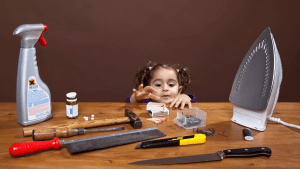
- DANGEROUS OBJECTS
Sharp Objects:
- Knives, scissors, razor blades, broken glass
- Danger: Can cut you and make you bleed
- What to do: Don’t touch! Ask an adult for help
Hot Objects:
- Stoves, irons, hot pots, boiling water, fire
- Danger: Can burn your skin badly
- What to do: Stay away! Never touch hot things
Electrical Items:
- Exposed wires, electrical sockets, broken appliances
- Danger: Can shock you or cause fire
- What to do: Don’t touch! Tell an adult immediately
Poisonous/Chemical Items:
- Medicines, cleaning products, rat poison, insecticides, bleach
- Danger: Can poison you if swallowed
- What to do: Never eat or drink them! Keep away from children
Heavy Objects:
- Falling items, heavy furniture
- Danger: Can crush or injure you
- What to do: Don’t pull or climb on them
- DANGEROUS PLACES
Water Bodies:

- Rivers, ponds, wells, deep pools, oceans
- Danger: You can drown
- What to do: Never go near water without an adult
High Places:
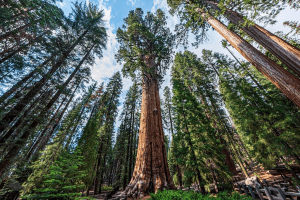
- Roofs, trees, walls, tall buildings, cliffs
- Danger: You can fall and break bones
- What to do: Don’t climb without permission and supervision
Construction Sites:
- Building areas with machinery and materials
- Danger: Things can fall on you, you can fall into holes
- What to do: Never enter! Stay far away
Busy Roads:
- Highways, roads with fast cars
- Danger: Cars can hit you
- What to do: Never play on or near roads
Dark Isolated Areas:
- Dark alleys, lonely paths, abandoned buildings
- Danger: Bad people might hide there, you can get lost
- What to do: Avoid them, stay in well-lit areas
Open Gutters:
- Drainage ditches, uncovered drains
- Danger: You can fall in and get hurt or drown
- What to do: Walk carefully, avoid playing near them
- DANGEROUS SITUATIONS
Bad Weather:
- Thunderstorms, floods, heavy rain
- Danger: Lightning can strike, floods can sweep you away
- What to do: Stay indoors during bad weather
Fire:
- Uncontrolled flames anywhere
- Danger: Can burn you, cause smoke that’s hard to breathe
- What to do: Run away and tell adults immediately
Fighting/Violence:
- People quarreling or hitting each other
- Danger: You can get hurt accidentally
- What to do: Stay away, tell an adult
- DANGEROUS PEOPLE
Strangers with Bad Intentions:
- People you don’t know who try to trick you
- Danger: They might kidnap you or hurt you
- What to do: Don’t talk to them, don’t follow them, tell adults
Bullies:
- Children or adults who hurt others
- Danger: They can harm you physically or emotionally
- What to do: Tell a teacher or parent immediately
People Under Influence:
- People who are drunk or on drugs
- Danger: They can’t think clearly and might be violent
- What to do: Stay away, tell an adult
- DANGEROUS ANIMALS
Wild Animals:

- Snakes, dogs you don’t know, aggressive animals
- Danger: They can bite or attack you
- What to do: Don’t go near them, move away slowly
- DANGEROUS ACTIVITIES
Playing Roughly:
- Fighting, pushing, shoving, dangerous games
- Danger: Can cause injuries
- What to do: Play safely and gently
Experimenting with Dangerous Things:
- Playing with fire, mixing chemicals, playing with electricity
- Danger: Can cause serious injuries or death
- What to do: Never try these! Always ask adults first
How to Stay Safe Around Sources of Danger:
- Recognize: Learn to identify sources of danger
- Avoid: Stay away from dangerous things and places
- Alert: Tell adults when you see danger
- Ask: Always ask before touching or doing something new
- Obey: Follow safety rules
The Safety Rule of 3:
- STOP – Don’t go near the danger
- THINK – Is this safe? What could happen?
- TELL – Inform an adult about the danger
Warning Signs of Danger:
- Feeling scared or uncomfortable
- Something looks broken or damaged
- Bad smells (like gas or chemicals)
- Loud or scary noises
- Your instinct tells you something is wrong
Class Activity: Show pictures of various objects and places. Let students identify which ones are sources of danger and which are safe.
Discussion:
- What is the most dangerous thing you’ve seen?
- What did you do?
- How can we warn others about danger?
MULTIPLE CHOICE EXERCISE
- Sources of danger are things that can _____ us
- a) help
- b) harm
- c) feed
- Sharp knives are dangerous because they can _____
- a) cut you
- b) make you laugh
- c) help you play
- If you see an exposed electrical wire, you should _____
- a) touch it
- b) tell an adult
- c) play with it
- Construction sites are _____ for children
- a) safe
- b) dangerous
- c) good for playing
- When you see danger, you should _____
- a) ignore it
- b) go closer
- c) stay away and tell an adult
Answers: 1-b, 2-a, 3-b, 4-b, 5-c
HOMEWORK
- Draw three sources of danger you learned about today.
- Walk around your home with your parents and identify two sources of danger.
- Tell your parents how to stay safe around these sources of danger.
Second Term Security Education Lesson Notes for Other Topics

Security Management
Explore lesson notes covering all topics.

Types of Security Management
Explore lesson notes covering all topics.

Importance of Security Management
Explore lesson notes covering all topics.

Safety and Security Management
Explore lesson notes covering all topics.
Managing Security
Explore lesson notes covering all topics.
Threat to Security
Explore lesson notes covering all topics.
Combating Threats to Security
Explore lesson notes covering all topics.
Identification of Criminal Behavior
Explore lesson notes covering all topics.
Causes of Crime
Explore lesson notes covering all topics.
Categories of Crime
Explore lesson notes covering all topics.
Factors affecting Criminal Behavior
Explore lesson notes covering all topics.
Common Criminal Behavior
Explore lesson notes covering all topics.
Common Criminal Behavior - Examination Malpractice
Explore lesson notes covering all topics.
Preventive Measures of Common Crimes - Primary Prevention
Explore lesson notes covering all topics.
Preventive Measures of Common Crimes
Explore lesson notes covering all topics.
Lesson Notes for Other Classes

Basic 2 Lesson Note
The complete lesson note to guide your studies.

Basic 3 Lesson Note
The complete lesson note to guide your studies.

Basic 4 Lesson Note
The complete lesson note to guide your studies.
Basic 5 Lesson Note
The complete lesson note to guide your studies.

Basic 6 Lesson Note
The complete lesson note to guide your studies.

JSS1 Lesson Note
The complete lesson note to guide your studies.