Costume in Drama – JSS1 Cultural & Creative Arts Lesson Note (Third Term)
Download Lesson NoteLesson note at a glance
- Subject
- Cultural & Creative Arts
- Class
- JSS1
- Term
- Third Term
- Topic
- Costume in Drama
- Order
- Topic 1 of 9 this term
- Reading time
- 3 min
What is costume in drama?
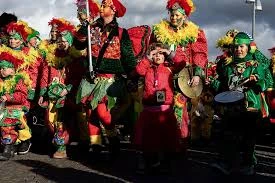
Costume refers to the clothing, accessories, and makeup worn by actors/actresses during a dramatic performance. It is a visual element of drama that helps bring characters to life on stage.
Behavioural objectives
By the end of the lesson, students should be able to:
- Define costume in drama.
- State the importance of costume in drama.
- List the types of costumes, with examples.
- Name the elements of costume design.
- State the basic considerations when choosing costumes.
Why is costume important in drama?
Character identification
- Helps the audience identify who each character is
- Shows the character’s profession, social status, and personality
- Makes it easier to distinguish between different characters
Setting the time period
- Indicates when the story takes place (ancient times, modern day, future)
- Historical costumes help transport the audience to different eras
Establishing location and culture
- Shows where the story is happening
- Reflects cultural backgrounds and traditions
- Demonstrates regional or national identity
Conveying mood and emotion
- Dark colours may suggest sadness or evil
- Bright colours often indicate happiness or celebration
- Torn or dirty costumes can show poverty or distress
Supporting the story
- Changes in costume can show character development
- Special costumes for important scenes (weddings, battles)
- Helps advance the plot through visual storytelling
What are the types of costumes?
- Historical costumes: Clothing from specific time periods (Roman togas, Victorian dresses, 1920s fashion)
- Contemporary costumes: Modern, everyday clothing that characters might wear in current times
- Fantasy/imaginative costumes: Creative designs for mythical creatures, superheroes, or fictional characters
- National/traditional costumes: Cultural dress representing different countries or ethnic groups (Agbada, Sari, Kimono)
- Occupational costumes: Uniforms and work clothes that show specific jobs (police uniform, nurse outfit, construction worker gear)
What are the elements of costume design?
- Colour: Choice of colours to represent character traits or emotions
- Fabric/material: Different textures create different effects (silk for wealth, cotton for simplicity)
- Accessories: Hats, jewellery, bags, shoes that complete the character’s look
- Condition: Whether costumes are new, old, clean, or worn out
- Fit and style: How the costume fits the actor’s body and the style choices made
What should be considered when choosing costumes?
- Costumes must allow actors to move freely and perform their roles
- They should be appropriate for the character’s age, status, and personality
- Climate and weather in the story should influence costume choices
- Budget constraints often require creative solutions in costume design
- Cultural sensitivity must be observed when using traditional costumes
What are some examples of costume use in drama?
- School uniforms in school drama productions
- Royal robes and crowns for kings and queens
- Rags and patches for poor characters
- Military uniforms for soldier characters
- Animal costumes for children’s plays
- Traditional wear for cultural performances
Evaluation
- Define costume in drama.
- State three reasons why costume is important in drama.
- List the five types of costumes.
- Name the five elements of costume design.
- Give two things to consider when choosing a costume for a character.
Assignment
Choose any three types of costumes. For each one, explain what it is and give one example.
This term's Cultural & Creative Arts topics
JSS1 Third Term · 9 topics
Third Term Cultural & Creative Arts (CCA) Lesson Notes for Other Topics
Creating a Drama Sketch from a Story
Read the full lesson note.
Types of Lines and Uses of Lines
Read the full lesson note.
Musical Notes
Read the full lesson note.
Musical Notes - Values and Rest Signs
Read the full lesson note.
Drawing
Read the full lesson note.
Methods of Moulding Objects
Read the full lesson note.
Introduction to Recorder Playing
Read the full lesson note.
Fashion Accessories - Singing Songs About Wearing Clothes
Read the full lesson note.
Definition of Music
Read the full lesson note.

Mode of Greeting
Read the full lesson note.
Element of Design
Read the full lesson note.
Definition of Drama and Theatre
Read the full lesson note.

Definition of Dance
Read the full lesson note.
Impersonation
Read the full lesson note.

Melodic Patterns Of Traditional Song
Read the full lesson note.
Lesson Notes for Other Classes

Basic 1 Lesson Note
The complete lesson note to guide your studies.
Basic 2 Lesson Note
The complete lesson note to guide your studies.
Basic 3 Lesson Note
The complete lesson note to guide your studies.

Basic 4 Lesson Note
The complete lesson note to guide your studies.

Basic 5 Lesson Note
The complete lesson note to guide your studies.
Basic 6 Lesson Note
The complete lesson note to guide your studies.