
Introduction to Cultural & Creative Art – JSS1 Cultural & Creative Arts Lesson Note (First Term)
Download this term · ₦1,000Lesson note at a glance
- Subject
- Cultural & Creative Arts
- Class
- JSS1
- Term
- First Term
- Topic
- Introduction to Cultural & Creative Art
- Order
- Topic 1 of 11 this term
- Reading time
- 6 min
Cultural and Creative Arts is a school subject that joins Visual Arts, Music and Drama/Theatre to study people, their culture and how they express it.
Behavioural objectives
By the end of the lesson, students should be able to:
- Define Cultural and Creative Arts.
- Name the three areas of Cultural and Creative Arts and give examples of each.
- Explain the relationship between art and culture.
- State why Cultural and Creative Arts was brought together as one subject.
- List the importance of Cultural and Creative Arts.
What is culture?
Culture is the way of life of a people, passed from one generation to the next.
- Language: the way a people speak, such as Yoruba, Igbo or Hausa.
- Dress: the clothes and fabrics a people wear, such as adire or aso oke.
- Food: the meals a people prepare and share.
- Beliefs and festivals: what a people hold as true and how they celebrate.
- Arts: the songs, dances, drama, carvings and designs a people create.
What is Cultural and Creative Arts?
Cultural and Creative Arts is a subject that studies human beings in their environment together with their culture.
It looks at four main things:
- People and culture: human beings in their environment and their way of life.
- Communication: how people pass on ideas and feelings within their culture.
- Appreciation: how much people value and enjoy works of art.
- Preservation: how people keep their culture alive.
What are the three areas of Cultural and Creative Arts?
There are three areas of Cultural and Creative Arts: Visual Arts, Music and Drama/Theatre.
- Visual Arts
- Music
- Drama/Theatre
- The three areas reflect the ways, interests and beliefs of the people.
- They cannot be separated from our ways of life, that is, our culture.
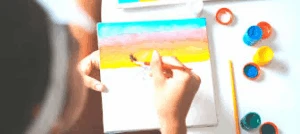
What are Visual Arts?
Visual Arts are art forms that make works which are mainly seen and, in many cases, touched.
- Drawing: making pictures with pencil, charcoal or pen.
- Painting: applying colour to a surface with a brush or similar tool.
- Sculpture: shaping wood, stone, metal or clay into solid forms, as in carvings.
- Photography: making images with a camera.
- Ceramics: making objects such as pots from clay and firing them.
- Textile design: creating patterns for cloth, as in tie-and-dye and adire.
- Graphics: designing lettering, posters and other printed images.
- Visual Arts use materials from our environment, such as clay, wood, cloth and dye.
What is Music?
Music is the arrangement of natural and artificial sounds that are pleasant to the ear.
- Singing: using the voice to produce musical sounds, alone or in a group.
- Playing instruments: making music with drums, shakers, flutes, pianos and others.
- Composing: creating new songs and tunes.
- Traditional songs: songs handed down in a community, such as folk and festival songs.
- Modern music forms: present-day styles such as highlife, gospel and Afrobeats.
- Music is often called the language of emotions because it communicates meaning through organised sound.
What is Drama/Theatre?
Drama is an art form that tells a story through the speech and actions of characters.
- Acting: actors and actresses play the parts of characters before an audience.
- Stage performance: presenting a play on a stage in a theatre.
- Traditional performances: community plays, masquerade displays and festival dramas.
- Storytelling: telling tales aloud, such as folktales told in the evening.
- Theatre productions: planned shows that bring together actors, costume, set and sound.
How do the three areas compare?
| Area | Main medium | Examples |
|---|---|---|
| Visual Arts | Lines, colour, shape and materials | Drawing, painting, sculpture, ceramics |
| Music | Organised sound | Singing, drumming, composing |
| Drama/Theatre | Speech and action | Acting, storytelling, stage plays |
What is the relationship between art and culture?
Art and culture cannot be separated because art, music and drama are part of a people’s way of life.
- Art reflects culture: traditional designs, music and performances show our cultural values.
- Culture shapes art: our environment and beliefs influence the art we create.
- Art preserves culture: visual records, songs and stories help us keep our traditions.
Why was Cultural and Creative Arts brought together as one subject?
Educators combined the three areas because they share common principles and work together in cultural expression.
- Shared principles: Visual Arts, Music and Drama use similar ideas such as rhythm, pattern and design.
- Working together: a festival, for example, uses costume, music and drama at the same time.
- Better learning: students gain more from an integrated creative education.
- Traditional practice: traditional cultures naturally combine all three areas.
- Earlier approach: the subjects were once taught separately.
What is the creative and cultural sector?
The creative and cultural sector is made up of the people and organisations that create, preserve and share cultural and artistic works.
What are the core creative fields?
Core creative fields are those that produce original works.
- Visual artists and craftspeople: painters, sculptors, potters and weavers.
- Musicians and composers: people who perform and create music.
- Actors and performers: people who present drama and other shows.
What are the cultural industries?
Cultural industries produce and distribute cultural works in large numbers.
- Film and television production: making films and programmes for viewers.
- Recording companies: recording and selling music.
- Book and magazine publishers: printing and selling written and illustrated works.
- Museums and galleries: keeping and displaying works of art and cultural objects.
What are the creative services?
Creative services are businesses that provide creative work for clients.
- Design consultancies: plan the look of products, spaces and printed materials.
- Advertising agencies: create adverts for goods and services.
- Architecture practices: design buildings.
Who are creative and cultural sector workers?
Creative and cultural sector workers are the people who create, take part in and enjoy culture.
- Independent artists: artists who work on their own.
- Self-employed entrepreneurs: people who run their own creative business.
- Micro-businesses: very small firms, such as a tailor’s shop or a small studio.
- Creators, participants and consumers: people who make, join in or enjoy cultural works.
- Preservers of tradition: people who keep old customs, songs and crafts alive.
Why are Cultural and Creative Arts important?
Cultural and Creative Arts is important because it helps people express themselves, keep their heritage and earn a living.
- Expression: people share their emotions and ideas.
- Preservation of cultural heritage: traditions pass to the next generation.
- Economic development: creative industries give people work and income.
- International reputation: a country’s art, music and films make it known abroad.
- Personal development: students grow in skill, confidence and creativity.
- Communication across cultures: art helps people from different groups understand one another.
- Entertainment and recreation: music, drama and displays give enjoyment.
- Educational benefits: students learn history, values and skills through the arts.
What is the impact of the creative and cultural sector?
The creative and cultural sector gives people jobs and helps communities grow.
- Employment: it provides work for artists, performers and many support workers.
- Community life: it brings people together through festivals, shows and exhibitions.
- Personal wellbeing: it gives people enjoyment and a way to express themselves.
- Renewal of neighbourhoods: galleries, theatres and markets can bring life to an area.
- Talent and investment: places with active arts can attract skilled people and business.
- New ideas: creative thinking helps other sectors find new ways of working.
Evaluation
- Define Cultural and Creative Arts.
- Name the three areas of Cultural and Creative Arts.
- List four examples of Visual Arts.
- Explain two ways in which art and culture are related.
- State three reasons why Cultural and Creative Arts is important.
Assignment
- Write short notes on Music and on Drama/Theatre. Give three examples of each and say how each helps to preserve culture.
This term's Cultural & Creative Arts topics
JSS1 First Term · 11 topics
Get Cultural & Creative Arts (CCA) as PDF and Word
Every week of JSS1 Cultural & Creative Arts (CCA), First Term, formatted and ready to print. Ad-free, and the copy lock comes off.
Get this term Card, bank transfer, USSD or OPay
JSS1 Cultural & Creative Arts (CCA) Lesson Notes for Other Topics

Introduction To Art
Read the full lesson note.
Theme Work And Sense Of Belonging
Read the full lesson note.

Principles And Elements Of Art And Design
Read the full lesson note.
Drama And Theatre
Read the full lesson note.
Modelling With Paper Mache
Read the full lesson note.

Dance
Read the full lesson note.
Forms And Types Of Dance
Read the full lesson note.

Theory Of Music
Read the full lesson note.

Fundamentals And Elements Of Music
Read the full lesson note.

Rudiment Of Music
Read the full lesson note.

Introduction To Local Craft
Read the full lesson note.
Introduction To Tie And Dye
Read the full lesson note.

Modeling: Production Of Models With Paper
Read the full lesson note.
Production Of Beads
Read the full lesson note.

Production Of Collage Using Paper
Read the full lesson note.
Lesson Notes for Other Classes

JSS2 Lesson Note
The complete lesson note to guide your studies.

JSS3 Lesson Note
The complete lesson note to guide your studies.
