Tie and Dye – JSS1 Cultural & Creative Arts Lesson Note (Third Term)
Download Lesson NoteLesson note at a glance
- Subject
- Cultural & Creative Arts
- Class
- JSS1
- Term
- Third Term
- Topic
- Tie and Dye
- Order
- Topic 9 of 9 this term
- Reading time
- 7 min
What is tie and dye?
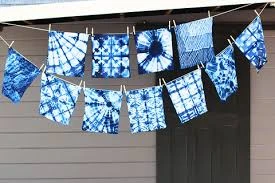
Tie and dye is a traditional method of decorating fabric by using resist dyeing techniques. This involves binding, folding, twisting, or compressing fabric before applying dye, creating patterns where the dye cannot penetrate the tied areas. The result is unique, colourful patterns on the fabric. In Nigeria, this technique is known as “Adire” among the Yoruba people.
Behavioural objectives
By the end of the lesson, students should be able to:
- define tie and dye and name its Nigerian form, Adire
- describe the history of tie and dye in the world, in Africa and in Nigeria
- name and describe the main tie and dye techniques
- list the materials and equipment used
- describe the steps of the basic tie and dye process
- state the safety precautions to follow when dyeing
What is the history of tie and dye?
Global history
- Ancient technique dating back thousands of years
- Found in Asia, Africa, and South America
- Each culture developed unique methods
- Revival in the 1960s as a fashion trend
- Contemporary use in fashion and art
African heritage
- Traditional textile art across Africa
- Different names: Adire (Nigeria), Gara (Sierra Leone)
- Used for ceremonial garments
- Symbol of cultural identity
- Economic activity for women
Nigerian tie and dye (Adire)
- Originated among the Yoruba people
- Centred in Abeokuta, Ogun State
- Traditional indigo dyeing
- Various techniques: Oniko (tied), Alabere (stitched)
- Modern adaptations with synthetic dyes
What are the types of tie and dye techniques?
Basic binding or tying (Oniko)
- Tying fabric with thread or rubber bands
- Creates circular patterns
- Different tying methods for various designs
- Can create multiple rings or bull’s eye effects
- Most common beginner technique
Folding techniques
- Accordion folds
- Triangle folds
- Square folds
- Creates geometric patterns
- Produces stripes and angular designs
Twisting method
- Spiral patterns
- Twist the entire fabric
- Creates swirling designs
- Popular for t-shirts
- Dynamic, flowing patterns
Marbling or crumple
- Random crumpling of fabric
- Creates a marble-like effect
- Unpredictable patterns
- Quick and easy method
- Suitable for beginners
Stitching (Alabere)
- Running stitches pulled tight
- Creates controlled patterns
- More precise designs
- Traditional Yoruba method
- Requires planning and skill
Clamping or folding with objects
- Using wood blocks and stones
- Creates negative space designs
- Geometric patterns
- Modern adaptation
- Interesting textures
What materials and equipment are needed for tie and dye?
Fabrics
- 100% cotton (best results)
- White or light-coloured fabric
- Pre-washed material
- Various items: t-shirts, scarves, pillowcases
- Natural fibres preferred
Dyes
- Fibre reactive dyes (best for cotton)
- Natural dyes (indigo, onion skins)
- Synthetic dyes (Dylon, Rit)
- Food colouring (for practice)
- Fabric paints
Binding materials
- Rubber bands
- String or thread
- Raffia
- Plastic ties
- Dental floss (for fine work)
Tools and equipment
- Buckets or dye baths
- Measuring cups
- Stirring sticks
- Plastic gloves
- Aprons or old clothes
- Plastic sheets for the work surface
- Salt (dye fixative)
- Washing soda (pre-treatment)
- Plastic bags
- Scissors
- Squeeze bottles (for direct application)
Safety equipment
- Rubber gloves
- Face masks
- Eye protection
- Ventilated workspace
- First aid kit
How do you tie and dye fabric?
Step 1: Preparation
- Pre-wash fabric to remove sizing
- Prepare the work area with plastic covering
- Gather all materials
- Mix dyes according to instructions
- Wear protective clothing
Step 2: Design planning
- Decide on a pattern
- Mark the fabric if needed
- Choose a colour scheme
- Consider design placement
- Practise on scrap fabric
Step 3: Tying or binding
- Apply the chosen technique
- Ensure tight binding
- Check that all areas are secured
- Use multiple bindings for complex designs
- Leave some areas unbound for contrast
Step 4: Dyeing
- Wet the fabric thoroughly
- Apply dye using the chosen method:
- Immersion (full submersion)
- Direct application (squeeze bottles)
- Spray application
- Multiple colour application
- Follow the dye manufacturer’s time guidelines
Step 5: Setting the dye
- Use an appropriate fixative
- Heat setting if required
- Chemical fixing for some dyes
- Time according to instructions
- Ensure proper colour fastness
Step 6: Rinsing and washing
- Remove bindings carefully
- Rinse in cold water first
- Gradually increase the water temperature
- Wash with mild detergent
- Continue until the water runs clear
Step 7: Drying and finishing
- Air dry away from direct sunlight
- Iron if needed
- Wash separately the first few times
- Store properly
- Document successful patterns
How is colour theory used in tie and dye?
Primary colours
- Red, blue, yellow
- Cannot be mixed from other colours
- Foundation for all other colours
- Create bold, bright designs
- Good for beginners
Secondary colours
- Green (blue + yellow)
- Orange (red + yellow)
- Purple (red + blue)
- Created by mixing primaries
- Expand design possibilities
Colour mixing on fabric
- Overlapping creates new colours
- Wet-on-wet blending
- Colour bleeding effects
- Gradient creation
- Unexpected combinations
Colour schemes
- Monochromatic (single colour, different shades)
- Complementary (opposite colours)
- Analogous (neighbouring colours)
- Triadic (three evenly spaced colours)
- Rainbow effects
What are the traditional patterns and their meanings?
Yoruba Adire patterns
- Olokun: Goddess of the sea pattern
- Ibadandun: Joy of Ibadan
- Oniko: Circles and rings
- Koki: Traditional cockerel design
- Each pattern has cultural significance
Modern adaptations
- Contemporary geometric designs
- Abstract patterns
- Logo incorporation
- Personalised designs
- Fashion-forward patterns
What safety precautions should be taken?
Chemical safety
- Read all dye instructions
- Work in a ventilated area
- Avoid skin contact with dyes
- Keep dyes away from eyes and mouth
- Dispose of dye water properly
Workspace safety
- Non-slip flooring
- Adequate lighting
- Organised materials
- Emergency water access
- Keep pathways clear
Personal protection
- Always wear gloves
- Wear protective eyewear
- Wear old clothes or an apron
- Wear closed-toe shoes
- Keep hair tied back
What are the common mistakes in tie and dye, and how can they be corrected?
Uneven dye application
Solutions:
- Pre-wet fabric evenly
- Stir the dye bath frequently
- Ensure complete immersion
- Move the fabric in the dye bath
Colours bleeding together
Solutions:
- Use colour fixatives
- Allow proper drying between colours
- Use barriers between sections
- Control dye quantities
Faded colours
Solutions:
- Use an appropriate dye for the fabric
- Apply fixative properly
- Use the correct dye concentration
- Allow adequate dyeing time
Loose bindings
Solutions:
- Tie tighter
- Use stronger binding materials
- Double-bind critical areas
- Check before dyeing
What are the advanced tie and dye techniques?
Multi-colour designs
- Sequential dye application
- Colour blocking
- Gradient effects
- Rainbow patterns
- Ombré techniques
Resist methods
- Wax resist (batik combination)
- Starch paste resist
- Flour paste patterns
- Cassava starch (traditional)
- Modern resists
Combination techniques
- Tie-dye with painting
- Embellishment addition
- Screen printing combination
- Appliqué on tie-dye
- Mixed media approaches
What are the commercial applications of tie and dye?
Fashion industry
- Designer clothing
- Ready-to-wear collections
- Accessories (bags, shoes)
- Seasonal trends
- Haute couture adaptations
Home décor
- Curtains and drapes
- Cushion covers
- Bedding sets
- Wall hangings
- Table linens
Art and craft markets
- Tourist souvenirs
- Art galleries
- Craft fairs
- Online marketplaces
- Custom orders
What career opportunities are linked to tie and dye?
Design and production
- Textile designer
- Fashion designer
- Production manager
- Pattern maker
- Colourist
Business opportunities
- Small-scale enterprise
- Export business
- Training workshops
- Supply store
- Online sales
Cultural preservation
- Museum work
- Cultural educator
- Traditional craft instructor
- Research and documentation
- Tourism guide
What environmental factors should be considered?
Eco-friendly practices
- Natural dye use
- Water conservation
- Proper waste disposal
- Organic fabrics
- Sustainable production
Recycling and upcycling
- Reviving old clothes
- Using fabric scraps
- Creative reuse
- Waste reduction
- Environmental awareness
How is the quality of tie and dye work checked?
Colour fastness testing
- Wash testing
- Light exposure test
- Rub fastness
- Perspiration testing
- Documentation
Finishing standards
- Even colour distribution
- Pattern clarity
- Fabric integrity
- Professional presentation
- Customer satisfaction
What project ideas can students try?
Individual projects
- Personal t-shirt design
- Handkerchief set
- Tote bag
- Pillowcase
- Wall art piece
Group projects
- Class banner
- Cultural day costumes
- Exhibition pieces
- Gift items
- Fundraising products
Cultural projects
- Traditional pattern recreation
- Modern interpretation
- Cultural fusion designs
- Heritage documentation
- Community engagement
Evaluation
- Define tie and dye. What is it called among the Yoruba people?
- Name three tie and dye techniques and state one pattern or effect each one creates.
- List five materials or tools used in tie and dye.
- State the steps of the basic tie and dye process in the correct order.
- Mention four safety precautions to follow when dyeing.
Assignment
- Choose one tie and dye technique from this lesson. Describe how it is done and the kind of pattern it creates.
- Choose one individual project idea from the note and list the materials you would need to make it.
This term's Cultural & Creative Arts topics
JSS1 Third Term · 9 topics
Third Term Cultural & Creative Arts (CCA) Lesson Notes for Other Topics

Creating a Drama Sketch from a Story
Read the full lesson note.
Types of Lines and Uses of Lines
Read the full lesson note.

Musical Notes
Read the full lesson note.
Musical Notes - Values and Rest Signs
Read the full lesson note.

Drawing
Read the full lesson note.
Methods of Moulding Objects
Read the full lesson note.

Introduction to Recorder Playing
Read the full lesson note.

Fashion Accessories - Singing Songs About Wearing Clothes
Read the full lesson note.

Definition of Music
Read the full lesson note.

Mode of Greeting
Read the full lesson note.

Element of Design
Read the full lesson note.

Definition of Drama and Theatre
Read the full lesson note.

Definition of Dance
Read the full lesson note.
Impersonation
Read the full lesson note.

Melodic Patterns Of Traditional Song
Read the full lesson note.
Lesson Notes for Other Classes

Basic 1 Lesson Note
The complete lesson note to guide your studies.
Basic 2 Lesson Note
The complete lesson note to guide your studies.
Basic 3 Lesson Note
The complete lesson note to guide your studies.

Basic 4 Lesson Note
The complete lesson note to guide your studies.
Basic 5 Lesson Note
The complete lesson note to guide your studies.
Basic 6 Lesson Note
The complete lesson note to guide your studies.