Sources of Drug Supply and Trafficking – Basic 6 Social Studies Lesson Note (Third Term)
Download this term · ₦1,000Lesson note at a glance
- Subject
- Social Studies
- Class
- Basic 6
- Term
- Third Term
- Topic
- Sources of Drug Supply and Trafficking
- Order
- Topic 3 of 3 this term
- Reading time
- 5 min
LEARNING OBJECTIVES By the end of the lesson, pupils should be able to:
- Distinguish between registered and unregistered sources of drug supply
- Mention examples of both sources
- Understand dangers of unregistered sources
Drug supply and trafficking
Drug Supply: Where and how drugs are obtained
Drug Trafficking: Illegal trade in drugs (buying, selling, transporting)
REGISTERED (LEGAL) SOURCES OF DRUG SUPPLY
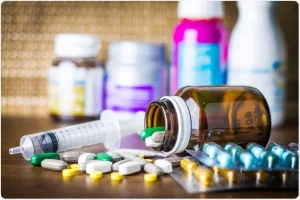
Definition: Officially recognized, government-approved sources that follow laws and regulations.
CHARACTERISTICS:
- Licensed by government
- Regulated by NAFDAC and PCN (Pharmacists Council of Nigeria)
- Quality controlled
- Proper storage
- Qualified staff
- Record keeping
- Inspected regularly
EXAMPLES:
- PHARMACEUTICAL INDUSTRIES/COMPANIES:
- Manufacture drugs
- Quality control
- Follow standards
- Examples in Nigeria:
- May & Baker
- Emzor Pharmaceutical
- GlaxoSmithKline (GSK)
- Pfizer
- Chi Pharmaceuticals
- HOSPITALS:
- Hospital pharmacies
- Dispense prescribed drugs
- Medical supervision
- Government and private hospitals
- Teaching hospitals
- PATENT MEDICINE STORES (CHEMISTS):
- Licensed to sell over-the-counter drugs
- Cannot sell prescription drugs without prescription
- Must be registered
- Common in communities
- Provide basic medications
- RETAIL PHARMACIES:
- Run by qualified pharmacists
- Sell prescription and OTC drugs
- Counseling available
- Proper storage
- Quality assured
- IMPORT COMPANIES:
- Licensed to import drugs
- Follow regulations
- Quality checks
- Documentation
- Examples: Drug distributors
- WHOLESALERS:
- Buy from manufacturers
- Sell to retailers
- Licensed
- Regulated
- Large quantities
- GOVERNMENT DRUG DISTRIBUTION:
- State drug distribution agencies
- Supply to health facilities
- Subsidized prices
- Quality control
- HOTELS AND CLUBS (LIMITED):
- May have licensed outlets
- Usually basic medicines
- Must follow regulations
- For guest convenience
ADVANTAGES OF REGISTERED SOURCES:
- Safe and Effective: Quality guaranteed
- Proper Dosage: Correctly labeled
- Qualified Advice: Pharmacists counsel
- Not Expired: Regular stock rotation
- Traceable: Can report problems
- Legal: No legal troubles
- Proper Storage: Right conditions maintained
Unregistered (illegal) sources of drug supply
Definition: Unlicensed, illegal sources that operate outside the law.
CHARACTERISTICS:
- Not licensed
- No government oversight
- No quality control
- Dangerous
- Often fake drugs
- Illegal operations
EXAMPLES:
- ILLEGAL DRUG PLANTATIONS:
- Growing drug plants illegally
- Examples:
- Marijuana farms
- Coca plantations (cocaine source)
- Opium poppy fields (heroine source)
- Hidden locations
- Criminal operations
- ILLEGAL LABORATORIES:
- Manufacture synthetic drugs
- No safety standards
- Dangerous chemicals
- Produce: Meth, designer drugs, fake medicines
- Often in hidden locations
- TRADITIONAL MEDICINE ESTABLISHMENTS (UNREGISTERED):
- Some operate illegally
- Mix harmful substances
- False claims
- No regulation
- Note: Not all traditional medicine is bad, but must be registered
- HERB SELLERS (UNREGULATED):
- Sell on streets
- No quality control
- May mix with harmful substances
- False claims of cure
- Unknown ingredients
- ROADSIDE HAWKERS:
- Sell drugs on streets
- No license
- Drugs exposed to sun/heat
- Often fake or expired
- Very dangerous
- Common at motor parks, markets
- BLACK MARKET:
- Underground drug trade
- Stolen prescription drugs
- Smuggled drugs
- Fake medications
- Online illegal sales
- DRUG PEDDLERS/DEALERS:
- Sell illegal drugs
- Street dealers
- Target youth
- Around schools, clubs
- Criminal networks
- SMUGGLERS:
- Bring drugs across borders illegally
- Hide in luggage, body
- Organized crime
- International networks
- INTERNET (ILLEGAL SITES):
- Fake online pharmacies
- No prescription needed
- Fake drugs
- Identity theft
- Payment fraud
- FRIENDS/PEERS:
- Sharing prescription drugs
- Selling to friends
- “Hook-ups”
- Dangerous and illegal
Dangers of unregistered sources:
- FAKE DRUGS:
- No active ingredient
- Won’t cure illness
- Waste money
- Disease gets worse
- Can die
- CONTAMINATED DRUGS:
- Mixed with harmful substances
- Poisons
- Dirty conditions
- Infections
- WRONG DOSAGE:
- Too much or too little
- Ineffective or dangerous
- Overdose risk
- Unpredictable effects
- EXPIRED DRUGS:
- Lost potency
- May be toxic
- Dangerous chemical changes
- No dates shown
- POOR STORAGE:
- Exposed to heat, sun
- Spoiled
- Ineffective
- Dangerous
- NO GUIDANCE:
- No pharmacist advice
- Wrong use
- Drug interactions
- Complications
- LEGAL CONSEQUENCES:
- Arrest
- Prosecution
- Imprisonment
- Criminal record
- For both buyer and seller
- FUNDING CRIME:
- Money goes to criminals
- Supports organized crime
- Drug trafficking networks
- Violence and insecurity
- HEALTH RISKS:
- Unknown ingredients
- Allergic reactions
- Organ damage
- Death
- NO RECOURSE:
- Cannot complain
- No refunds
- No accountability
- Victims helpless
DRUG TRAFFICKING
Definition: Illegal cultivation, manufacture, distribution, and sale of drugs.
HOW IT WORKS:
International Trafficking:
- Production: Drugs grown or made in one country
- Transportation: Smuggled across borders
- Distribution: Sold to local dealers
- Street Sales: Sold to users
Methods of Smuggling:
- Hidden in luggage
- Swallowed (drug mules)
- Hidden in body cavities
- Shipped in cargo
- Mail parcels
- Couriers
- Concealed in legal goods
Nigeria and Drug Trafficking:
- Major transit route
- Some local production (marijuana)
- International trafficking networks
- Couriers arrested abroad
- Damages national image
CONSEQUENCES OF TRAFFICKING:
For Traffickers:
- Long imprisonment
- Death penalty (some countries)
- Asset forfeiture
- International travel ban
- Family shame
For Society:
- Increased addiction
- Crime and violence
- Insecurity
- Corruption
- Youth destroyed
- Economic drain
For National Image:
- Nigeria stigmatized
- Visa restrictions
- Investment flight
- International embarrassment
NDLEA (national drug law enforcement agency)
Role:
- Fight drug trafficking
- Arrest dealers and users
- Seize illegal drugs
- Border control
- Public education
- Rehabilitation programs
Success:
- Arrests made
- Drugs seized
- Reduced trafficking
- International cooperation
How to Report:
- Hotline: 0800-100-2253
- Anonymous tips
- NDLEA offices
- Police stations
HOW TO IDENTIFY SAFE DRUG SOURCES:
Look For:
- NAFDAC Registration Number
- Licensed Pharmacist on premises
- Proper Signage: Pharmacy name, license displayed
- Clean Facility: Professional appearance
- Proper Storage: Refrigeration if needed
- Drug Information: Can answer questions
- Prescription Required: For prescription drugs
- Receipts Given: Proof of purchase
- Known Location: Established business
- Packaging Intact: Sealed, not tampered
RED FLAGS (Danger Signs):
- Too cheap prices
- No license displayed
- Sell without prescription
- Roadside/mobile
- Dirty conditions
- Pressure to buy
- Suspicious packaging
- No labels
- Expired dates
- “Too good to be true” claims
Student responsibilities:
Do:
- Buy medicines only from pharmacies
- Check NAFDAC number
- Verify expiry dates
- Report illegal drug sales
- Educate others
- Refuse drugs from strangers
- Tell parents/teachers about drug dealers
Don’t:
- Buy from roadside
- Share prescription drugs
- Buy drugs online without verification
- Accept drugs from friends
- Ignore drug dealing in community
EVALUATION
- What is the difference between registered and unregistered drug sources?
- Give five examples of registered sources
- List five examples of unregistered sources
- Why are unregistered sources dangerous?
- What is drug trafficking?
HOMEWORK
- Distinguish between registered and unregistered sources of drugs
- List and explain eight registered sources with examples
- Discuss dangers of buying drugs from unregistered sources
- What is drug trafficking and its consequences?
This term's Social Studies topics
Basic 6 Third Term · 3 topics
- Effects of Substance Abuse
- Mode of Drug Use and Consequences
- Sources of Drug Supply and Trafficking
Get Social Studies as PDF and Word
Every week of Basic 6 Social Studies, Third Term, formatted and ready to print. Ad-free, and the copy lock comes off.
Get this term Card, bank transfer, USSD or OPay
Third Term Social Studies Lesson Notes for Other Topics

Sources and Uses of Water III
Read the full lesson note.
Risk Factors in Food III
Read the full lesson note.
Risk Factors in Food
Read the full lesson note.
Risk Factors in Food II
Read the full lesson note.
Sources and Uses of Water II
Read the full lesson note.
Sources and Uses of Water
Read the full lesson note.
Concept of Insecurity
Read the full lesson note.

Concept of Security
Read the full lesson note.

Effects of Substance Abuse
Read the full lesson note.

Mode of Drug Use and Consequences
Read the full lesson note.
Security Agencies and their Primary Duties
Read the full lesson note.
Simple First Aid Treatment
Read the full lesson note.
Objects Found in First Aid Box
Read the full lesson note.

Meaning of First Aid
Read the full lesson note.
Solutions to Road Accidents
Read the full lesson note.
Lesson Notes for Other Classes
Basic 1 Lesson Note
The complete lesson note to guide your studies.
Basic 2 Lesson Note
The complete lesson note to guide your studies.

Basic 3 Lesson Note
The complete lesson note to guide your studies.
Basic 4 Lesson Note
The complete lesson note to guide your studies.
Basic 5 Lesson Note
The complete lesson note to guide your studies.
JSS1 Lesson Note
The complete lesson note to guide your studies.