
Modes of Drug Use and Consequences – Basic 6 Social Studies Lesson Note (Third Term)
Download this term · ₦1,000Lesson note at a glance
- Subject
- Social Studies
- Class
- Basic 6
- Term
- Third Term
- Topic
- Modes of Drug Use and Consequences
- Order
- Topic 5 of 13 this term
- Reading time
- 6 min
A mode of drug use is the method or way a drug is taken into the body.
Behavioural objectives
- State the five modes of drug use and give an example of each.
- Describe the desired effects of normal drug use and the rules for it.
- List the dangers of excessive use of drugs.
- Identify the factors that cause drug abuse.
- Suggest ways of preventing drug abuse.
What are the modes of drug use?
There are five modes of drug use: oral, injection, inhalation, absorption and chewing.
1. Oral (by mouth)
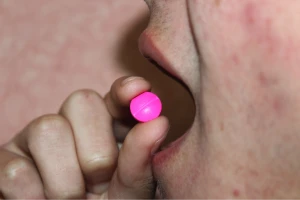
- Method: swallowing pills, tablets and capsules, or drinking liquid medicine.
- Use: the most common mode for prescription drugs.
- Examples: paracetamol, antibiotics, cough syrup.
2. Injection
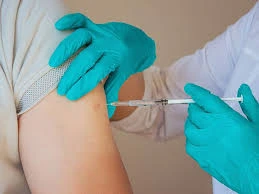
- Method: using a needle and syringe.
- Intravenous: into a vein.
- Intramuscular: into a muscle.
- Subcutaneous: under the skin.
- Effect: works fast.
- Dangers: HIV and hepatitis from shared needles, infections and collapsed veins.
- Examples: heroin (abuse), insulin (medical use).
3. Inhalation (smoking and snorting)
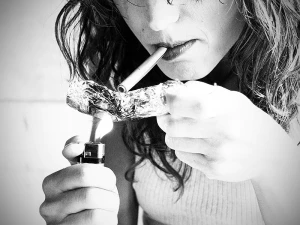
- Smoking: burning a substance and breathing in the smoke, as with cigarettes, marijuana and crack cocaine.
- Snorting: breathing a powder in through the nose, as with cocaine and heroin.
- Dangers: lung damage, nasal damage and breathing problems.
4. Absorption (through skin or mucous membranes)
- Method: the drug passes in through the skin or body openings.
- Examples: skin patches, suppositories, eye drops.
- Use: mainly medical.
5. Chewing
- Method: holding the substance in the mouth and chewing it.
- Examples: khat and some forms of tobacco.
What is normal use of drugs?
Normal use is taking prescribed or over-the-counter medicine correctly, as directed by a doctor or the instructions on the pack.
What are the therapeutic effects of normal drug use?
- Cure disease: antibiotics kill bacteria.
- Relieve symptoms: pain relievers reduce pain.
- Prevent disease: vaccines prevent infections.
- Control chronic conditions: diabetes medicine controls blood sugar.
What are the specific desired effects?
| Condition | Desired effects |
|---|---|
| Pain | Reduces or removes pain, allows normal activities, improves quality of life. |
| Infections | Kills germs, speeds recovery, prevents complications. |
| Fever | Lowers temperature, gives comfort, prevents fever-related problems. |
| Sleep disorders | Brings sleep, improves rest, allows normal functioning the next day. |
| Mental health | Reduces anxiety, controls depression, stabilises mood, improves functioning. |
| Chronic diseases | Controls symptoms, slows progression, prevents complications, maintains quality of life. |
What are the positive outcomes?
- Health: the person returns to good health.
- Activity: normal activities continue.
- Productivity: work and study go on as usual.
- Quality of life: life is better.
- Emergencies: lives are saved.
What are the rules for normal use?
- Follow the doctor’s prescription.
- Take the correct dosage.
- Keep to the right time intervals.
- Complete the course, especially for antibiotics.
- Do not share medicine.
- Check the expiry date.
- Store medicine properly.
- Report side effects.
What is excessive use of drugs?
Excessive use is taking more than prescribed, using a drug without medical need, or abusing drugs.
How does normal use differ from excessive use?
| Point | Normal use | Excessive use |
|---|---|---|
| Reason | Medical need | No medical need, or abuse |
| Dose | As prescribed or as the pack directs | More than prescribed |
| Result | Cure, relief, prevention | Organ damage, addiction, death |
Which body organs are damaged by excessive drug use?
| Organ | Effects | Common causes |
|---|---|---|
| Liver (processes drugs, so overload damages it) | Cirrhosis, liver failure, jaundice, death | Alcohol abuse, excessive paracetamol |
| Kidneys (filter drugs from the blood) | Kidney failure, need for dialysis, death | Excessive painkillers, heroin, cocaine |
| Heart | Heart attack, stroke, irregular heartbeat, heart failure, sudden death | Cocaine, amphetamines, excessive stimulants |
| Brain | Memory loss, mental decline, mental illness, seizures, stroke | Alcohol, cocaine, inhalants, sedatives |
| Lungs | Respiratory failure, lung cancer, chronic cough, pneumonia | Smoking cigarettes, marijuana, crack |
| Stomach and digestive system | Ulcers, bleeding, liver disease, malnutrition | Alcohol, excessive painkillers |
| Reproductive system | Infertility, impotence, menstrual problems, birth defects | Many drugs of abuse |
What other consequences does excessive drug use have?
- Overdose: taking too much at once, leading to coma, organ failure and death. It is common with heroin, cocaine, sedatives and alcohol.
- Addiction: the body and mind depend on the drug.
- The user cannot stop without help.
- Life revolves around getting the drug.
- Withdrawal symptoms appear when the user stops.
- Poisoning: toxic effects that need emergency medical attention and can be fatal.
- Mental health problems: depression, anxiety, paranoia, psychosis (losing touch with reality) and suicidal thoughts.
- Physical deterioration: extreme weight loss, malnourishment, weak immune system, frequent infections, premature ageing, looking much older.
- Death: from overdose, organ failure, suicide linked to drug-induced depression, accidents caused by poor judgement, drug-related violence, or diseases such as HIV from needles.
What are the factors that cause drug abuse?
Drug abuse is caused by personal, family, social and environmental factors, and knowing them helps us prevent it.
- Desire for pleasure and excitement: wanting to feel “high”, escaping boredom and seeking thrills. The pleasure is short and the pain is long-term.
- Peer pressure: friends who use drugs, the wish to fit in, fear of rejection, “everyone is doing it” and bullying. It is a major reason among young people.
- Curiosity: wondering how it feels, seeing others enjoy it and media influence. “Just once won’t hurt” is wrong.
- Family problems: broken homes, parental neglect, domestic violence, poor communication and parents who use drugs.
- Availability of drugs: easy access, dealers nearby, low prices and weak law enforcement.
- Stress and pressure: school, exam or work pressure, life challenges and the wish to escape.
- Low self-esteem: feeling inadequate, lacking confidence and thinking drugs will help.
- Poverty and unemployment: hopelessness, idle time, desperation and the lure of the drug trade.
- Ignorance: not knowing the dangers, misinformation, thinking “natural means safe” and underestimating addiction.
- Mental health issues: depression, anxiety, trauma, self-medication and undiagnosed conditions.
- Media influence: movies, music, celebrities and social media that glorify drug use.
- Rebellion: defying parents and rules, wanting to be different and asserting independence wrongly.
- Easy money: drug dealing seems to pay well, dealers start using the drugs and then get trapped.
- Inadequate parental supervision: busy or absent parents, no monitoring and not knowing the children’s friends.
- School factors: no drug education, peer pressure in school, drugs available, poor counselling and academic failure.
- Environment: growing up in a drug-infested area, drug use seen as normal, drug-using role models and no positive alternatives.
How can drug abuse be prevented?
Drug abuse is prevented by dealing with each cause, as the table shows.
| Cause | Prevention |
|---|---|
| Peer pressure | Build confidence to say no, choose friends wisely, learn to be assertive, remember that real friends will not force you. |
| Family problems | Family counselling, open communication, parental involvement, strong family bonds. |
| Availability | Report drug dealers, keep community watch, enforce the law strongly, secure neighbourhoods. |
| Stress | Healthy ways of coping, sports and exercise, hobbies, counselling, time management. |
| Poverty | Skills training, employment programmes, youth development, economic opportunities. |
| Ignorance | Drug education, awareness campaigns, school programmes, community education. |
Evaluation
- List three modes of drug use.
- State four desired effects of normal drug use.
- Name five organs damaged by excessive drug use.
- What is an overdose, and what are its effects?
- Give five factors that cause drug abuse.
Assignment
- Explain the difference between normal use and excessive use of drugs. Then list five factors that cause drug abuse and give one way of preventing each.
This term's Social Studies topics
Basic 6 Third Term · 13 topics
- Effects of Substance Abuse
- Mode of Drug Use and Consequences
- Sources of Drug Supply and Trafficking
- Effects of Substance Abuse
- Modes of Drug Use and Consequences
- Sources of Drug Supply and Trafficking
- Transport and Communication
- Gender Discrimination
- Group Conflicts and Cooperation
- International Organizations
- Peace Education
Get Social Studies as PDF and Word
Every week of Basic 6 Social Studies, Third Term, formatted and ready to print. Ad-free, and the copy lock comes off.
Get this term Card, bank transfer, USSD or OPay
Basic 6 Social Studies Lesson Notes for Other Topics

Effects of Substance Abuse
Read the full lesson note.

Mode of Drug Use and Consequences
Read the full lesson note.
Sources of Drug Supply and Trafficking
Read the full lesson note.
Effects of Substance Abuse
Read the full lesson note.

Sources of Drug Supply and Trafficking
Read the full lesson note.
Transport and Communication
Read the full lesson note.
Gender Discrimination
Read the full lesson note.
Group Conflicts and Cooperation
Read the full lesson note.
International Organizations
Read the full lesson note.
Peace Education
Read the full lesson note.
Concepts of Drug and Drug Abuse
Read the full lesson note.
Synthetic and Naturally Occurring Drugs
Read the full lesson note.

External Influence on Nigeria Life
Read the full lesson note.

The Influence of Working Parents on Nigeria Family Cont'd
Read the full lesson note.
Intermarriage
Read the full lesson note.
Lesson Notes for Other Classes

Basic 1 Lesson Note
The complete lesson note to guide your studies.

Basic 2 Lesson Note
The complete lesson note to guide your studies.

Basic 3 Lesson Note
The complete lesson note to guide your studies.

Basic 4 Lesson Note
The complete lesson note to guide your studies.

Basic 5 Lesson Note
The complete lesson note to guide your studies.
