
International Organizations – Basic 6 Social Studies Lesson Note (Third Term)
Download this term · ₦1,000Lesson note at a glance
- Subject
- Social Studies
- Class
- Basic 6
- Term
- Third Term
- Topic
- International Organizations
- Order
- Topic 10 of 13 this term
- Reading time
- 4 min
An international organisation is a group of countries that work together to achieve common goals.
Behavioural objectives
By the end of the lesson, pupils should be able to:
- State the meaning of an international organisation.
- Give the full meaning of common abbreviations such as UN, WHO, UNICEF and ECOWAS.
- Name seven international organisations and state what each does.
- Explain how these organisations help to fight COVID-19, HIV/AIDS and sexually transmitted diseases.
- State how Nigeria benefits from belonging to international organisations.
What is an international organisation?
An international organisation is a group formed by countries to work together on matters that affect them all.
- Members: the members are countries, not individual people.
- Aim: each one has a clear purpose, such as peace, health, education or trade.
- Rules: member countries agree to follow its rules and pay or give support.
- Meetings: member countries meet to take decisions together.
Why do countries form international organisations?
Countries join together because some problems are too big for one country to solve alone.
- Peace: to settle disagreements without war.
- Health: to stop diseases that cross borders.
- Trade: to buy and sell goods more easily.
- Education: to share knowledge and protect culture.
- Help in emergencies: to assist people hit by war, flood or hunger.
- Children’s welfare: to protect the rights of children.
What are examples of international organisations?
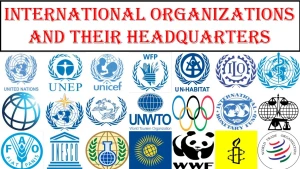
Seven common examples are the UN, WHO, UNICEF, AU, ECOWAS, the Red Cross and UNESCO.
| Organisation | Full meaning | Main work |
|---|---|---|
| UN | United Nations | Promotes peace and development |
| WHO | World Health Organization | Handles global health issues |
| UNICEF | United Nations Children’s Fund | Protects children’s rights |
| AU | African Union | Promotes African unity |
| ECOWAS | Economic Community of West African States | Promotes economic cooperation in West Africa |
| Red Cross | International Red Cross and Red Crescent Movement | Provides humanitarian aid |
| UNESCO | United Nations Educational, Scientific and Cultural Organization | Promotes education, science and culture |
What are the kinds of international organisation by membership?
There are two kinds by membership: worldwide organisations and regional organisations.
Worldwide organisations
- Open to many countries: members come from all parts of the world.
- Examples: UN, WHO, UNICEF, UNESCO and the Red Cross.
Regional organisations
- Limited to one region: members come from one part of the world.
- African Union (AU): for countries in Africa.
- ECOWAS: for countries in West Africa, including Nigeria.
What do the main organisations do?
- United Nations: founded in 1945 to keep peace and help countries develop. Nigeria is a member.
- WHO: gives health guidance and helps countries fight diseases.
- UNICEF: helps children with health, food, education and protection.
- African Union: brings African countries together to work for unity and progress.
- ECOWAS: encourages trade and cooperation among West African countries. It was formed in 1975.
- Red Cross: helps victims of war, floods and other disasters.
- UNESCO: supports schools, science and the protection of cultural heritage.
How do international organisations help to fight COVID-19?
COVID-19 is an infectious disease of the lungs and breathing system caused by a coronavirus.
- Guidelines: WHO gave advice on prevention, such as handwashing and wearing face masks.
- Vaccines: WHO and its partners helped to share vaccines among countries.
- Information: countries shared research and news about the disease.
- Health systems: hospitals and health workers received support.
- Supplies: medical items were sent to countries in need.
How do international organisations help to fight HIV/AIDS?
HIV is a virus that weakens the body’s defence against disease, and AIDS is the serious condition it can cause.
- Education: UNAIDS teaches people how to prevent the infection.
- Treatment: UNAIDS and its partners work to make antiretroviral drugs (ARVs) available to people who need them.
- Testing and counselling: people are helped to learn their status and receive advice.
- Fighting stigma: they speak against unfair treatment of people living with HIV.
- Research: they support research on better treatment and prevention.
How do international organisations help to fight sexually transmitted diseases (STDs)?
Sexually transmitted diseases are infections that pass from one person to another through sexual contact.
- Treatment guidelines: WHO gives health workers standard advice on treatment.
- Prevention education: people are taught how to protect themselves.
- Protection: partners help to make protective items available.
- Testing and treatment: clinics are supported to test and treat patients.
- Awareness campaigns: messages are spread through radio, schools and clinics.
How does Nigeria benefit from international organisations?
- Peace: disagreements with other countries can be settled by talks.
- Health: Nigeria receives advice, vaccines and medical help.
- Education: pupils and schools gain from support for learning.
- Trade: ECOWAS makes trade easier among West African neighbours.
- Voice: Nigeria can speak on world matters and make its views known.
Evaluation
- An international organisation is:
- A) A local club
- B) Groups of countries working together
- C) A family group
- D) A school society
- WHO stands for:
- A) World Human Organization
- B) World Health Organization
- C) World Help Organization
- D) Western Health Office
- UNICEF focuses on:
- A) Adults only
- B) Children’s rights
- C) Animals
- D) Buildings
- COVID-19 vaccines were shared among countries with the help of:
- A) Local governments only
- B) WHO and partners
- C) Private individuals
- D) No one
- ECOWAS is for:
- A) Asian countries
- B) European countries
- C) West African countries
- D) American countries
Answers: 1-B, 2-B, 3-B, 4-B, 5-C
Assignment
Name three international organisations and state what each one does.
This term's Social Studies topics
Basic 6 Third Term · 13 topics
- Sources of Drug Supply and Trafficking
- Effects of Substance Abuse
- Modes of Drug Use and Consequences
- Sources of Drug Supply and Trafficking
- Transport and Communication
- Gender Discrimination
- Group Conflicts and Cooperation
- International Organizations
- Peace Education
- Concepts of Drug and Drug Abuse
- Synthetic and Naturally Occurring Drugs
Get Social Studies as PDF and Word
Every week of Basic 6 Social Studies, Third Term, formatted and ready to print. Ad-free, and the copy lock comes off.
Get this term Card, bank transfer, USSD or OPay
Basic 6 Social Studies Lesson Notes for Other Topics

Effects of Substance Abuse
Read the full lesson note.

Mode of Drug Use and Consequences
Read the full lesson note.
Sources of Drug Supply and Trafficking
Read the full lesson note.
Effects of Substance Abuse
Read the full lesson note.
Modes of Drug Use and Consequences
Read the full lesson note.

Sources of Drug Supply and Trafficking
Read the full lesson note.
Transport and Communication
Read the full lesson note.
Gender Discrimination
Read the full lesson note.
Group Conflicts and Cooperation
Read the full lesson note.
Peace Education
Read the full lesson note.
Concepts of Drug and Drug Abuse
Read the full lesson note.
Synthetic and Naturally Occurring Drugs
Read the full lesson note.

External Influence on Nigeria Life
Read the full lesson note.

The Influence of Working Parents on Nigeria Family Cont'd
Read the full lesson note.

Intermarriage
Read the full lesson note.
Lesson Notes for Other Classes

Basic 1 Lesson Note
The complete lesson note to guide your studies.

Basic 2 Lesson Note
The complete lesson note to guide your studies.

Basic 3 Lesson Note
The complete lesson note to guide your studies.

Basic 4 Lesson Note
The complete lesson note to guide your studies.

Basic 5 Lesson Note
The complete lesson note to guide your studies.
