Mode of Drug Use and Consequences – Basic 6 Social Studies Lesson Note (Third Term)
Download this term · ₦1,000Lesson note at a glance
- Subject
- Social Studies
- Class
- Basic 6
- Term
- Third Term
- Topic
- Mode of Drug Use and Consequences
- Order
- Topic 2 of 3 this term
- Reading time
- 5 min
LEARNING OBJECTIVES By the end of the lesson, pupils should be able to:
- Itemize effects of normal use of drugs (desired effects)
- List effects of excessive use of drugs (damage to body organs or death)
- Discuss factors responsible for drug abuse behavior
Modes of drug use
Mode: Method or way drugs are taken into the body.
DIFFERENT MODES:
- ORAL (BY MOUTH):
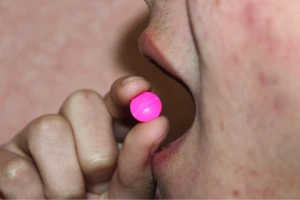
- Swallowing pills, tablets, capsules
- Drinking liquid medicine
- Most common for prescription drugs
- Examples: Paracetamol, antibiotics, cough syrup
- INJECTION:
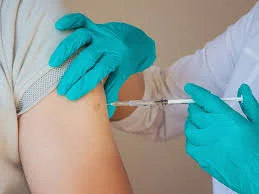
- Using needle and syringe
- Into vein (intravenous), muscle (intramuscular), or under skin (subcutaneous)
- Fast effect
- Dangers: HIV, Hepatitis (sharing needles), infections, collapsed veins
- Examples: Heroine, insulin (medical)
- INHALATION (SMOKING/SNORTING):

- Smoking: Burning and breathing in
- Examples: Cigarettes, marijuana, crack cocaine
- Snorting: Breathing powder through nose
- Examples: Cocaine, heroine
- Dangers: Lung damage, nasal damage, respiratory problems
- ABSORPTION (SKIN/MUCOUS MEMBRANES):
- Through skin or body openings
- Examples: Patches, suppositories, eye drops
- Medical use mainly
- CHEWING:
- Holding substance in mouth
- Examples: Khat, tobacco (some forms)
Effects of normal use of drugs
Normal Use: Taking prescribed or over-the-counter medicine correctly as directed by doctor or instructions.
DESIRED EFFECTS (When Used Properly):
- THERAPEUTIC EFFECTS:
- Cure disease: Antibiotics kill bacteria
- Relieve symptoms: Pain relievers reduce pain
- Prevent disease: Vaccines prevent infections
- Control chronic conditions: Diabetes medication controls blood sugar
- SPECIFIC DESIRED EFFECTS:
For Pain:
- Reduces or eliminates pain
- Allows normal activities
- Improves quality of life
For Infections:
- Kills germs
- Speeds recovery
- Prevents complications
For Fever:
- Reduces temperature
- Provides comfort
- Prevents fever-related problems
For Sleep Disorders:
- Induces sleep
- Improves rest
- Normal functioning next day
For Mental Health:
- Reduces anxiety
- Controls depression
- Stabilizes mood
- Better functioning
For Chronic Diseases:
- Controls symptoms
- Prevents progression
- Maintains quality of life
- Prevents complications
- POSITIVE OUTCOMES:
- Return to health
- Continue normal activities
- Productivity maintained
- Quality of life improved
- Life saved in emergencies
RULES FOR NORMAL USE:
- Follow doctor’s prescription
- Correct dosage
- Right time intervals
- Complete course (antibiotics)
- Don’t share medication
- Check expiry dates
- Store properly
- Report side effects
Effects of excessive use of drugs
Excessive Use: Taking more than prescribed, using without medical need, or abusing drugs.
DANGERS AND CONSEQUENCES:
- DAMAGE TO BODY ORGANS:
- LIVER DAMAGE:
- Liver processes drugs
- Overload causes damage
- Effects: Cirrhosis, liver failure, jaundice, death
- Causes: Alcohol abuse, excessive paracetamol, heroine
- KIDNEY DAMAGE:
- Kidneys filter drugs
- Excessive use damages kidneys
- Effects: Kidney failure, need dialysis, death
- Causes: Excessive painkillers, heroine, cocaine
- HEART DAMAGE:
- Effects: Heart attack, stroke, irregular heartbeat, heart failure, sudden death
- Causes: Cocaine, amphetamines, excessive stimulants
- BRAIN DAMAGE:
- Effects: Memory loss, cognitive decline, mental illness, seizures, stroke
- Causes: Alcohol, cocaine, inhalants, sedatives
- LUNG DAMAGE:
- Effects: Respiratory failure, lung cancer, chronic cough, pneumonia
- Causes: Smoking (cigarettes, marijuana, crack)
- STOMACH/DIGESTIVE DAMAGE:
- Effects: Ulcers, bleeding, liver disease, malnutrition
- Causes: Alcohol, excessive painkillers
- REPRODUCTIVE SYSTEM:
- Effects: Infertility, impotence, menstrual problems, birth defects
- Causes: Most drugs of abuse
- OVERDOSE:
- Taking too much at once
- Effects: Coma, organ failure, death
- Common with: Heroine, cocaine, sedatives, alcohol
- ADDICTION:
- Body and mind depend on drug
- Cannot stop without help
- Life revolves around getting drug
- Withdrawal symptoms when stopping
- POISONING:
- Toxic effects
- Emergency medical attention needed
- Can be fatal
- MENTAL HEALTH PROBLEMS:
- Depression
- Anxiety
- Paranoia
- Psychosis (losing touch with reality)
- Suicidal thoughts
- PHYSICAL DETERIORATION:
- Extreme weight loss
- Malnourishment
- Weak immune system
- Frequent infections
- Premature aging
- Looks much older
- DEATH:
- Overdose
- Organ failure
- Suicide (drug-induced depression)
- Accidents (impaired judgment)
- Drug-related violence
- Diseases (HIV from needles)
Factors causing drug abuse behavior
Understanding why people abuse drugs helps in prevention.
- DESIRE FOR PLEASURE AND EXCITEMENT:
- Want to feel “high”
- Escape boredom
- Experience euphoria
- Thrill-seeking
- Reality: Short pleasure, long-term pain
- PEER PRESSURE:
- Friends using drugs
- Want to fit in
- Fear of rejection
- “Everyone’s doing it”
- Bullying to try drugs
- Most common reason among youth
- CURIOSITY:
- Wonder what it feels like
- See others enjoying
- Media influence
- Want to experiment
- “Just once won’t hurt” (wrong!)
- FAMILY PROBLEMS:
- Broken homes
- Parental neglect
- Domestic violence
- Lack of supervision
- Poor family communication
- Parents who use drugs
- AVAILABILITY OF DRUGS:
- Easy access
- Drugs in neighborhood
- Drug dealers everywhere
- Low prices
- Weak law enforcement
- STRESS AND PRESSURE:
- Academic pressure
- Exam stress
- Work pressure
- Life challenges
- Depression and anxiety
- Seeking escape
- LOW SELF-ESTEEM:
- Feel inadequate
- Lack confidence
- Want to feel better
- Seek acceptance
- Think drugs will help
- POVERTY AND UNEMPLOYMENT:
- Hopelessness
- No future prospects
- Idle time
- Easy money in drug trade
- Desperation
- IGNORANCE:
- Don’t know dangers
- Misinformation
- Think “natural means safe”
- Underestimate addiction risk
- Lack of education
- MENTAL HEALTH ISSUES:
- Depression
- Anxiety disorders
- Trauma
- Self-medication
- Undiagnosed conditions
- MEDIA INFLUENCE:
- Movies glorify drug use
- Music promotes drugs
- Celebrities using drugs
- Social media influence
- Wrong messages
- REBELLION:
- Against parents
- Against rules
- Want to be different
- Teenage defiance
- Asserting independence wrongly
- EASY MONEY:
- Drug dealing seems lucrative
- Quick money attraction
- Start using while dealing
- Get trapped
- INADEQUATE PARENTAL SUPERVISION:
- Parents too busy
- No monitoring
- Don’t know children’s friends
- Absent parents
- Working parents with no time
- SCHOOL FACTORS:
- No drug education
- Peer pressure in school
- Drug availability
- Poor counseling
- Academic failure
- ENVIRONMENT:
- Growing up in drug-infested area
- Normalization of drug use
- Role models are drug users
- No positive alternatives
Prevention strategies
Based on Understanding Causes:
For Peer Pressure:
- Build confidence to say no
- Choose friends wisely
- Assertiveness training
- Know real friends won’t force you
For Family Problems:
- Family counseling
- Communication
- Parental involvement
- Strong family bonds
For Availability:
- Report drug dealers
- Community vigilance
- Strong law enforcement
- Secure neighborhoods
For Stress:
- Healthy coping mechanisms
- Sports and exercise
- Hobbies
- Counseling
- Time management
For Poverty:
- Skills training
- Employment programs
- Youth empowerment
- Economic opportunities
For Ignorance:
- Drug education
- Awareness campaigns
- School programs
- Community education
EVALUATION
- List three modes of drug administration
- What are desired effects of normal drug use?
- Name five organs damaged by excessive drug use
- What is overdose and its effects?
- Give five factors that cause drug abuse
HOMEWORK
- Explain different modes of drug use
- Discuss effects of normal use vs excessive use of drugs
- List and explain ten factors causing drug abuse behavior
- How can understanding causes help prevent drug abuse?
- What advice would you give to someone being pressured to try drugs?
This term's Social Studies topics
Basic 6 Third Term · 3 topics
- Effects of Substance Abuse
- Mode of Drug Use and Consequences
- Sources of Drug Supply and Trafficking
Get Social Studies as PDF and Word
Every week of Basic 6 Social Studies, Third Term, formatted and ready to print. Ad-free, and the copy lock comes off.
Get this term Card, bank transfer, USSD or OPay
Third Term Social Studies Lesson Notes for Other Topics

Sources and Uses of Water III
Read the full lesson note.
Risk Factors in Food III
Read the full lesson note.
Risk Factors in Food
Read the full lesson note.
Risk Factors in Food II
Read the full lesson note.
Sources and Uses of Water II
Read the full lesson note.
Sources and Uses of Water
Read the full lesson note.
Concept of Insecurity
Read the full lesson note.

Concept of Security
Read the full lesson note.

Effects of Substance Abuse
Read the full lesson note.
Sources of Drug Supply and Trafficking
Read the full lesson note.
Security Agencies and their Primary Duties
Read the full lesson note.
Simple First Aid Treatment
Read the full lesson note.
Objects Found in First Aid Box
Read the full lesson note.

Meaning of First Aid
Read the full lesson note.
Solutions to Road Accidents
Read the full lesson note.
Lesson Notes for Other Classes

Basic 1 Lesson Note
The complete lesson note to guide your studies.
Basic 2 Lesson Note
The complete lesson note to guide your studies.

Basic 3 Lesson Note
The complete lesson note to guide your studies.

Basic 4 Lesson Note
The complete lesson note to guide your studies.
Basic 5 Lesson Note
The complete lesson note to guide your studies.

JSS1 Lesson Note
The complete lesson note to guide your studies.