
Peace Education – Basic 6 Social Studies Lesson Note (Third Term)
Download this term · ₦1,000Lesson note at a glance
- Subject
- Social Studies
- Class
- Basic 6
- Term
- Third Term
- Topic
- Peace Education
- Order
- Topic 11 of 13 this term
- Reading time
- 4 min
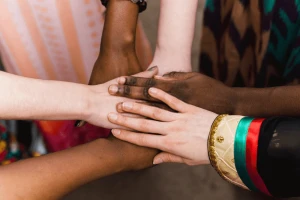
Peace is a state of calmness, harmony and the absence of conflict or war.
Behavioural objectives
By the end of the lesson, pupils should be able to:
- Define peace, tolerance, cooperation and national unity.
- List the characteristics of tolerance and the attributes of cooperation.
- State and explain seven values that promote peace.
- Name the symbols of national unity in Nigeria.
- Describe simple ways of settling quarrels peacefully.
What is peace education?
Peace education is the teaching of the values, attitudes and habits that help people live together without violence.
- Home: children learn to share, obey and settle quarrels calmly.
- School: pupils learn teamwork, respect for rules and respect for classmates.
- Community: people of different tribes and religions live and work together.
- Nation: citizens stay united in spite of differences.
What is peace?
Peace is a state of calmness, harmony and the absence of conflict or war.
- Peace at home: family members live in love and understanding.
- Peace in school: pupils do not bully, fight or cheat.
- Peace in the nation: citizens obey the law and respect one another.
What is tolerance and what are its characteristics?
Tolerance is the willingness to accept people whose views, culture or religion differ from yours.
The characteristics of tolerance are:
- Accepting differences: allowing others to be who they are.
- Respecting other people’s opinions: listening without insulting.
- Patience with others: staying calm when others are slow or different.
- Not judging quickly: getting the facts before forming an opinion.
- Understanding cultural differences: respecting other people’s dress, food, language and customs.
- Controlling anger: staying calm instead of fighting or shouting.
What is cooperation and what are its attributes?
Cooperation is people working together to achieve a common goal.
The attributes of cooperation are:
- Teamwork: members work as one group, as in a football team.
- Sharing responsibilities: each person does a fair part of the work.
- Good communication: members talk and listen to one another.
- Trust and honesty: members believe in one another and speak the truth.
- Mutual respect: every member’s contribution is valued.
- Common goals: everyone works towards the same aim.
What is the difference between tolerance and cooperation?
Tolerance is accepting people who are different from you. Cooperation is working with people to reach a shared goal.
| Point | Tolerance | Cooperation |
|---|---|---|
| Main idea | Accepting differences | Working together |
| Key action | Being patient and respectful | Sharing tasks and ideas |
| Example | Respecting a classmate’s religion | Cleaning the classroom as a group |
What are the values that promote peace?
There are seven values that promote peace: honesty, respect, justice, love, forgiveness, tolerance and dialogue.
| Value | Meaning | Example |
|---|---|---|
| Honesty | Being truthful | Returning a lost item to its owner |
| Respect | Valuing others | Greeting elders and listening to teachers |
| Justice | Fairness for all | Giving every pupil an equal chance |
| Love | Caring for others | Helping a sick classmate |
| Forgiveness | Letting go of wrongs | Accepting an apology and making friends again |
| Tolerance | Accepting differences | Playing with pupils from other tribes |
| Dialogue | Talking to solve problems | Discussing a quarrel instead of fighting |
How can quarrels be settled peacefully?
A quarrel is settled peacefully by talking, listening and agreeing on a fair solution.
- Stay calm and control your anger.
- Let each person explain what happened.
- Listen without interrupting.
- Ask a teacher, parent or elder to help if you cannot agree.
- Agree on a fair solution.
- Apologise and forgive one another.
What are the benefits of peace?
- Safety: people live without fear of attack.
- Learning: schools stay open and pupils study well.
- Development: farming, trade and building continue.
- Friendship: people of different backgrounds live happily together.
What is national unity?
National unity is the togetherness of all citizens regardless of tribe, religion or region.
- Example: Nigerians from many ethnic groups live and work together as one nation.
- Importance: a united country is stronger and more peaceful.
What are the symbols of national unity?
Symbols of national unity are the things that represent Nigeria and bring all citizens together.
| Symbol | Description |
|---|---|
| National Flag | Green-White-Green. Green stands for agriculture and natural wealth. White stands for peace and unity. |
| National Anthem | “Arise, O Compatriots”, sung at official events and in schools. |
| Coat of Arms | The national emblem. It has a black shield, a Y-shaped band for the Niger and Benue rivers, two horses and an eagle. |
| National Pledge | “I pledge to Nigeria my country”, a promise of faithfulness, loyalty and honesty. |
| National Currency | Naira and Kobo, used in every part of Nigeria. |
| Official Language | English, which people of different ethnic groups use to understand one another. |
| National Heroes | Leaders who worked for Nigeria, such as Nnamdi Azikiwe and Obafemi Awolowo. |
Evaluation
- Peace means:
- A) Fighting
- B) Absence of conflict
- C) War
- D) Disagreement
- Tolerance involves:
- A) Rejecting others
- B) Accepting differences
- C) Fighting
- D) Discrimination
- A value that promotes peace is:
- A) Hatred
- B) Dishonesty
- C) Respect
- D) Selfishness
- National unity means:
- A) Division
- B) Togetherness of citizens
- C) Tribal fighting
- D) Religious war
- A symbol of national unity is:
- A) State flag
- B) National anthem
- C) Family crest
- D) School badge
Answers: 1-B, 2-B, 3-C, 4-B, 5-B
Assignment
Write the first stanza of the National Anthem.
This term's Social Studies topics
Basic 6 Third Term · 13 topics
- Sources of Drug Supply and Trafficking
- Effects of Substance Abuse
- Modes of Drug Use and Consequences
- Sources of Drug Supply and Trafficking
- Transport and Communication
- Gender Discrimination
- Group Conflicts and Cooperation
- International Organizations
- Peace Education
- Concepts of Drug and Drug Abuse
- Synthetic and Naturally Occurring Drugs
Get Social Studies as PDF and Word
Every week of Basic 6 Social Studies, Third Term, formatted and ready to print. Ad-free, and the copy lock comes off.
Get this term Card, bank transfer, USSD or OPay
Basic 6 Social Studies Lesson Notes for Other Topics

Effects of Substance Abuse
Read the full lesson note.

Mode of Drug Use and Consequences
Read the full lesson note.
Sources of Drug Supply and Trafficking
Read the full lesson note.
Effects of Substance Abuse
Read the full lesson note.
Modes of Drug Use and Consequences
Read the full lesson note.

Sources of Drug Supply and Trafficking
Read the full lesson note.
Transport and Communication
Read the full lesson note.
Gender Discrimination
Read the full lesson note.
Group Conflicts and Cooperation
Read the full lesson note.
International Organizations
Read the full lesson note.
Concepts of Drug and Drug Abuse
Read the full lesson note.
Synthetic and Naturally Occurring Drugs
Read the full lesson note.

External Influence on Nigeria Life
Read the full lesson note.

The Influence of Working Parents on Nigeria Family Cont'd
Read the full lesson note.
Intermarriage
Read the full lesson note.
Lesson Notes for Other Classes

Basic 1 Lesson Note
The complete lesson note to guide your studies.

Basic 2 Lesson Note
The complete lesson note to guide your studies.

Basic 3 Lesson Note
The complete lesson note to guide your studies.

Basic 4 Lesson Note
The complete lesson note to guide your studies.

Basic 5 Lesson Note
The complete lesson note to guide your studies.
