
Method of Cooking: Baking Method (Baking of Cake) – Basic 4 Home Economics Lesson Note (Third Term)
Download Lesson NoteLesson note at a glance
- Subject
- Home Economics
- Class
- Basic 4
- Term
- Third Term
- Topic
- Method of Cooking: Baking Method (Baking of Cake)
- Order
- Topic 5 of 7 this term
- Reading time
- 6 min
What is Baking?
Baking is a method of cooking food using dry heat in an enclosed space like an oven. The hot air surrounds the food and cooks it evenly from all sides.
What is Cake Baking?
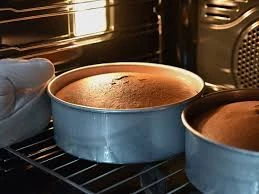
Cake baking is making sweet, soft bread-like food by mixing ingredients like flour, eggs, sugar, and butter, then cooking the mixture in an oven until it becomes light and fluffy.
How Baking Works
Hot air in the oven heats the cake mixture, causing it to rise and become firm. Steam from the ingredients helps make the cake soft and light.
Equipment Needed for Baking Cake
Baking Equipment:
- Oven (gas or electric)
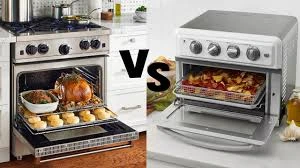
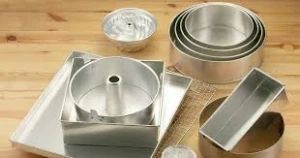
- Cake pans (round, square, or rectangular)
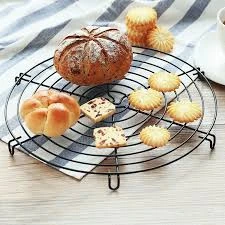
- Wire cooling rack for cooling baked cake
- Oven thermometer to check temperature
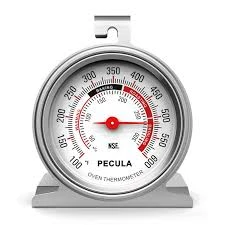
Mixing Equipment:
- Large mixing bowls (different sizes)
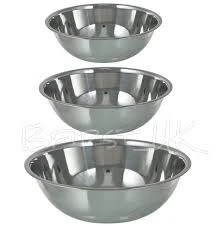
- Electric mixer or wooden spoon for mixing

- Measuring cups for dry ingredients
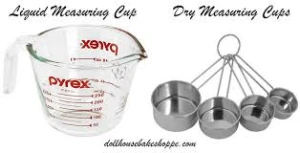
- Measuring spoons for small amounts
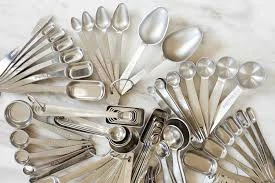
- Kitchen scale for accurate weighing

Preparation Tools:
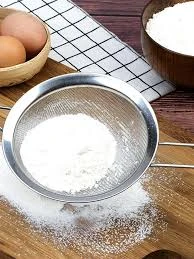
- Sieve for sifting flour
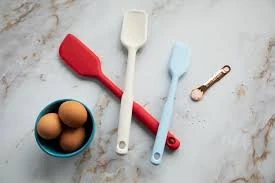
- Rubber spatula for folding ingredients
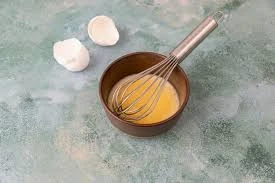
- Whisk for beating eggs
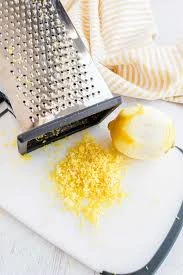
- Grater for lemon zest (if needed)
Safety Equipment:
- Oven mitts to protect hands from heat
- Timer to prevent overcooking
- Adult supervision (most important!)
Basic Cake Ingredients
Main Ingredients:
Flour:
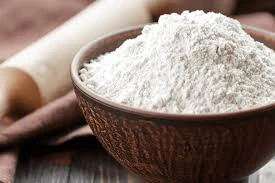
- All-purpose flour (most common type)
- Self-raising flour (contains baking powder)
- Function: Gives structure to the cake
- Amount: Usually the largest ingredient by weight
Sugar:
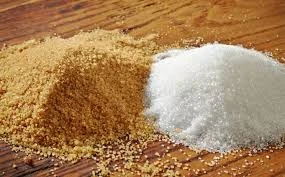
- Granulated sugar (white sugar)
- Brown sugar (adds different flavor)
- Function: Sweetens and helps cake rise
- Amount: Usually equal to or less than flour
Eggs:
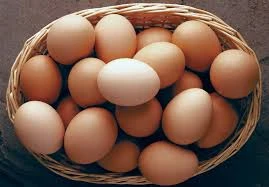
- Fresh chicken eggs (room temperature works best)
- Function: Binds ingredients and adds moisture
- Amount: Usually 2-4 eggs for basic cake
Fat (Butter or Oil):

- Butter (gives rich flavor)
- Vegetable oil (makes moist cake)
- Function: Makes cake tender and moist
- Amount: Usually less than flour and sugar
Liquid:
- Milk (most common)
- Water or fruit juice (sometimes used)
- Function: Creates steam and adds moisture
- Amount: Usually small amount
Leavening Agents:
- Baking powder (makes cake rise)
- Baking soda (works with acidic ingredients)
- Function: Creates bubbles that make cake light and fluffy
Flavorings:
- Vanilla extract (most popular)
- Lemon juice or orange zest
- Cocoa powder (for chocolate cake)
- Function: Adds taste and aroma
Steps in Baking a Simple Cake
Step 1: Preparation (Adult Help Required)
- Preheat oven to required temperature (usually 350°F/175°C)
- Grease cake pan with butter or oil
- Dust with flour to prevent sticking
- Gather all ingredients and measure them
Step 2: Mix Dry Ingredients
- Sift flour into large bowl
- Add baking powder and salt
- Mix together with spoon
- Set aside until needed
Step 3: Cream Butter and Sugar (Adult Help)
- Beat butter until soft and fluffy
- Add sugar gradually while beating
- Beat until light and creamy (3-5 minutes)
- Mixture should be pale and fluffy
Step 4: Add Eggs
- Beat eggs in separate bowl
- Add eggs slowly to butter mixture
- Beat well after each addition
- Add vanilla or other flavorings
Step 5: Combine Wet and Dry Ingredients
- Add flour mixture alternating with milk
- Start and end with flour mixture
- Mix gently – don’t overmix
- Fold with spatula until just combined
Step 6: Bake the Cake (Adult Only)
- Pour batter into prepared pan
- Level surface gently with spatula
- Place in preheated oven
- Bake for specified time (usually 25-35 minutes)
Step 7: Test for Doneness (Adult Only)
- Insert toothpick in center of cake
- Cake is done when toothpick comes out clean
- Cake springs back when lightly touched
- Edges pull away slightly from pan sides
Step 8: Cool and Remove
- Cool in pan for 10 minutes
- Turn out onto wire rack (adult help)
- Cool completely before decorating
- Handle carefully – cake is fragile when warm
Types of Simple Cakes
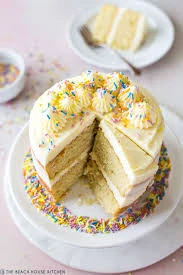
Vanilla Sponge Cake:
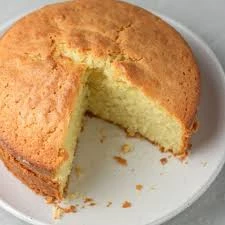
- Basic cake with vanilla flavoring
- Light and fluffy texture
- Good for beginners
- Can be decorated many ways
Chocolate Cake:

- Add cocoa powder to basic recipe
- Rich chocolate flavor
- Popular with children
- Good with chocolate frosting
Lemon Cake:
- Add lemon juice and zest
- Fresh, citrus flavor
- Light and refreshing
- Good for special occasions
Baking Tips for Success
Measuring Ingredients:
- Measure accurately – baking needs precision
- Level dry ingredients with knife
- Use liquid measuring cup for liquids
- Room temperature ingredients mix better
Mixing Technique:
- Don’t overmix – makes cake tough
- Fold gently when combining flour
- Beat eggs well for light texture
- Scrape bowl sides while mixing
Oven Management:
- Preheat oven completely before baking
- Don’t open oven door during first 20 minutes
- Use timer to track baking time
- Check doneness properly before removing
Safety Rules for Cake Baking
Adult Supervision:
- Never bake alone – always have adult present
- Adults handle all oven operations
- Adults manage hot equipment and surfaces
- Ask for help with any step you’re unsure about
Heat Safety:
- Oven is very hot – can cause serious burns
- Use oven mitts for all hot surfaces
- Keep towels away from hot oven
- Never touch hot pans or oven racks
Equipment Safety:
- Electric mixers can be dangerous – adult use only
- Sharp tools like knives need adult handling
- Hot liquids can splash and burn
- Clean up spills immediately
Food Safety:
- Wash hands before handling food
- Use fresh ingredients – check expiration dates
- Don’t eat raw cake batter (contains raw eggs)
- Store finished cake properly
Common Baking Problems
Cake Doesn’t Rise:
- Old baking powder – check expiration date
- Oven not hot enough – check temperature
- Overmixed batter – fold gently next time
Cake is Dry:
- Overbaked – reduce baking time
- Too much flour – measure more carefully
- Not enough liquid – check recipe
Cake Sticks to Pan:
- Pan not greased properly
- Cooled too long in pan
- Next time grease and flour pan well
Cake Sinks in Middle:
- Oven door opened too early
- Not baked long enough
- Too much baking powder
Benefits of Learning to Bake
Life Skills:
- Practical cooking ability for future
- Understanding measurements and following directions
- Patience and timing skills
- Problem-solving when things go wrong
Family Benefits:
- Special treats for family occasions
- Bonding activity with parents and siblings
- Cultural traditions passed down
- Pride in homemade food
Creativity:
- Decorating cakes with frosting and decorations
- Trying different flavors and combinations
- Making gifts for friends and family
- Expressing personality through baking
EXERCISES
Exercise 1: Fill in the Blanks
- Baking uses ________ heat in an enclosed space like an oven
- The main ingredients for cake are flour, sugar, eggs, and ________
- ________ supervision is required for all cake baking
- A ________ is used to test if cake is done baking
Exercise 2: True or False
- Children can use the oven without adult help ____
- Baking powder helps cake rise and become fluffy ____
- It’s safe to eat raw cake batter ____
- Overmixing cake batter makes it tough ____
Exercise 3: Match Equipment with Use
Draw lines to connect each tool with its main use:
- Oven mitts → Testing if cake is done
- Mixing bowl → Protecting hands from heat
- Toothpick → Combining cake ingredients
- Wire rack → Cooling baked cake
Exercise 4: Ingredient Functions
Write “S” for Structure, “Sw” for Sweetening, “M” for Moisture, “R” for Rising, or “F” for Flavoring:
- Flour ____
- Sugar ____
- Eggs ____
- Baking powder ____
- Vanilla extract ____
Exercise 5: Choose the Right Answer
Circle the correct answer:
- Oven should be: Cold when cake goes in / Preheated before baking
- Cake batter should be: Overmixed / Mixed just until combined
- Cake is done when: Toothpick comes out clean / It looks pretty
- Who handles hot oven: Children alone / Adults only
This term's Home Economics topics
Basic 4 Third Term · 7 topics
- Laundry Agent Tools and Equipment
- How to Prepare Starch
- Adequate Diet (Balanced Diet)
- Deficiency and Malnutrition
- Method of Cooking: Baking Method (Baking of Cake)
- Snacks and Fruit Drinks
- Basic Stitches: Temporary Stitches
Third Term Home Economics Lesson Notes for Other Topics

Home Accidents II
Read the full lesson note.

Home Accidents I
Read the full lesson note.
Marketing of Petroleum Jelly
Read the full lesson note.
Making of Liquid Soap
Read the full lesson note.

How to make Disinfectant Dettol
Read the full lesson note.
Cooking Methods
Read the full lesson note.
Cooking Methods Baking, Roasting, Frying 2
Read the full lesson note.
Cooking Methods Baking, Roasting, Frying
Read the full lesson note.
Cooking Of Food
Read the full lesson note.
Food Contamination
Read the full lesson note.

Food Safety
Read the full lesson note.

Care Of Personal Belongings
Read the full lesson note.
Uses Of Personal And Family Resources
Read the full lesson note.
Laundry Agent Tools and Equipment
Read the full lesson note.

Basic Stitches - Temporary Stitches
Read the full lesson note.
Lesson Notes for Other Classes

Basic 1 Lesson Note
The complete lesson note to guide your studies.

Basic 2 Lesson Note
The complete lesson note to guide your studies.

Basic 3 Lesson Note
The complete lesson note to guide your studies.

Basic 5 Lesson Note
The complete lesson note to guide your studies.

Basic 6 Lesson Note
The complete lesson note to guide your studies.

JSS1 Lesson Note
The complete lesson note to guide your studies.


