
Laundry Agent Tools and Equipment Basic 4 Home Economics Lesson Note
Download Lesson NoteTopic: Laundry Agent Tools and Equipment
What are Laundry Agents?
Laundry agents are cleaning substances used to wash clothes and remove dirt, stains, and odors from fabric.
What are Laundry Tools and Equipment?
These are items used to wash, dry, and care for clothes and other fabric materials.
Types of Laundry Agents
- Soap
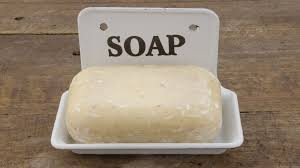
Traditional cleaning agent made from natural materials
Types of Soap:
- Bar soap: Solid soap for hand washing clothes
- Laundry soap: Special soap designed for washing clothes
- Liquid soap: Soap in liquid form for easy measuring
How It Works:
- Breaks down dirt and grease on clothes
- Creates foam that lifts dirt away from fabric
- Rinses away leaving clothes clean
Examples:
- Key soap (popular in Nigeria)
- Elephant soap
- Morning fresh soap
- Detergent
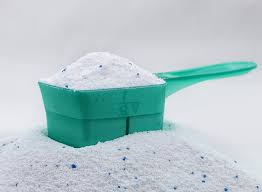
Modern cleaning agent with added chemicals for better cleaning
Types of Detergent:
- Powder detergent: Dry powder form
- Liquid detergent: Liquid form for easy pouring
- Concentrated detergent: Strong formula, use less
Advantages:
- Works in cold water better than soap
- Removes tough stains more effectively
- Less soap scum buildup
- Better for machine washing
Popular Brands:
- Omo detergent
- Ariel detergent
- Surf Excel
- Bleach
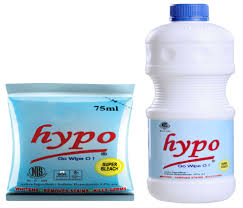
Strong cleaning agent that removes stains and whitens clothes
Types of Bleach:
- Chlorine bleach: Very strong, for white clothes only
- Oxygen bleach: Gentler, safe for colored clothes
- Fabric bleach: Specially made for delicate fabrics
Uses:
- Whitening white clothes
- Removing tough stains like blood, sweat
- Disinfecting clothes and removing germs
Safety Warning:
- Adult use only – never for children
- Can damage colored clothes and skin
- Strong smell – use in ventilated area
- Fabric Softener

Makes clothes soft and pleasant-smelling
What It Does:
- Softens fabric making clothes feel nice
- Reduces static electricity in clothes
- Adds fragrance for fresh smell
- Makes ironing easier
Types:
- Liquid softener: Added during rinse cycle
- Dryer sheets: Used in clothes dryer
- Conditioner bars: Solid form for hand washing
- Stain Removers
Special products for removing specific stains
Types:
- Pre-treatment sprays: Applied before washing
- Stain removal bars: Rubbed directly on stains
- Spot cleaners: For immediate stain treatment
Common Stains They Remove:
- Food stains: Juice, sauce, chocolate
- Grass stains: From playing outside
- Blood stains: From cuts and injuries
- Ink stains: From pens and markers
Laundry Tools and Equipment
- Washing Tools
Washing Basin/Bowl:

- Large plastic or metal bowl for hand washing
- Different sizes for different amounts of clothes
- Easy to carry when filled with water
- Durable material that doesn’t break easily
Washboard:

- Ridged surface for scrubbing clothes
- Traditional tool still used in many homes
- Made of metal or plastic with ridges
- Helps remove stubborn dirt and stains
Scrubbing Brush:

- Stiff bristles for scrubbing tough stains
- Different sizes for different jobs
- Used with soap to work on stains
- Gentle on fabric but tough on dirt
- Measuring Tools
Measuring Cup:
- Plastic cup with measurements marked on side
- Used to measure correct amount of detergent
- Prevents waste of expensive cleaning agents
- Ensures proper cleaning with right amounts
Measuring Spoon:
- For small amounts of concentrated products
- Tablespoon and teaspoon measurements
- Accurate measurement prevents overuse
- Soaking Equipment
Large Bucket:
- For soaking heavily soiled clothes
- Big enough to hold clothes and water
- Strong handles for carrying
- Covered to prevent evaporation
Soaking Tub:
- Larger than bucket for bigger items
- Used for bedsheets, curtains, large clothes
- Made of plastic or other waterproof material
- Drying Equipment
Clothesline:

- String or rope stretched between two points
- For hanging wet clothes to dry
- Strong enough to hold weight of wet clothes
- Positioned where air can circulate
Clothespins/Pegs:

- Small clips to attach clothes to line
- Made of wood or plastic
- Spring-loaded for secure attachment
- Different sizes for different clothes
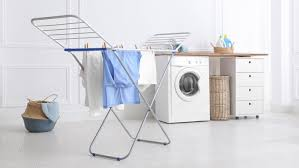
Drying Rack:

- Portable frame for hanging clothes indoors
- Foldable for easy storage
- Multiple bars for hanging several items
- Good for rainy weather drying
- Ironing Equipment
Iron:

- Heavy metal tool for removing wrinkles
- Heated by electricity or fire
- Flat bottom that glides over fabric
- Adult use only due to high heat
Ironing Board:
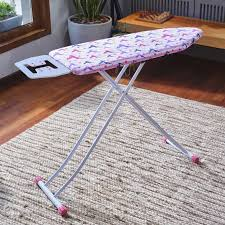
- Padded flat surface for ironing clothes
- Heat-resistant cover protects surface
- Adjustable height for comfortable use
- Stable legs prevent tipping
- Storage and Organization
Laundry Basket:

- Container for collecting dirty clothes
- Ventilated sides allow air circulation
- Easy to carry with handles
- Separate baskets for different types of clothes
Clothes Hangers:
- Shaped frames for hanging clothes
- Made of plastic, wood, or metal
- Different shapes for different clothes
- Prevent wrinkles when clothes stored properly
Modern Laundry Equipment
Washing Machine:
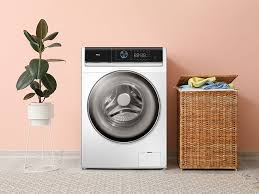
- Electric machine that washes clothes automatically
- Uses less water than hand washing
- Faster cleaning with mechanical action
- Different cycles for different fabric types
Clothes Dryer:
- Machine that dries clothes with hot air
- Faster than air drying
- Works in any weather
- Uses electricity or gas for heat
Safety with Laundry Agents
Chemical Safety:
- Adult supervision required for all chemicals
- Never mix different cleaning agents
- Keep away from eyes and mouth
- Store safely away from children
Handling Precautions:
- Wear gloves when using strong agents
- Work in ventilated area for fresh air
- Don’t inhale chemical fumes
- Wash hands thoroughly after use
Storage Safety:
- Original containers with labels
- Cool, dry place away from heat
- Child-resistant storage areas
- Never in food containers
Choosing the Right Agents and Tools
Consider the Fabric:
- Delicate fabrics: Gentle agents and tools
- Heavy-duty items: Stronger cleaning agents
- Colored clothes: Color-safe products
- White clothes: Bleach-safe products
Consider the Stains:
- Light dirt: Regular soap or detergent
- Heavy stains: Pre-treatment and strong agents
- Specific stains: Specialized stain removers
- Old stains: Soaking and multiple treatments
Consider Available Resources:
- Hand washing: Basic soap and tools
- Machine washing: Appropriate detergents
- Limited water: Concentrated products
- Budget: Cost-effective options
EXERCISES
Exercise 1: Fill in the Blanks
- Laundry agents are cleaning ________ used to wash clothes
- ________ is a traditional cleaning agent made from natural materials
- ________ is stronger than soap and works better in cold water
- ________ makes clothes soft and pleasant-smelling
Exercise 2: True or False
- Bleach can be used safely by children ____
- Detergent works better in cold water than soap ____
- Fabric softener makes clothes feel nicer ____
- All laundry agents are safe to mix together ____
Exercise 3: Match Agent with Use
Draw lines to connect each laundry agent with its main use:
- Soap → Making clothes soft and fragrant
- Detergent → Removing tough stains and whitening
- Bleach → Traditional cleaning of clothes
- Fabric softener → Modern cleaning with chemicals
Exercise 4: Laundry Agent Types
Write “S” for Soap, “D” for Detergent, “B” for Bleach, “FS” for Fabric Softener, or “SR” for Stain Remover:
- Omo powder ____
- Key soap ____
- Pre-treatment spray ____
- Downy softener ____
- Chlorine whitener ____
Exercise 5: Choose the Right Answer
Circle the correct answer:
- Bleach should be used by: Children / Adults only
- Measuring cup helps: Waste detergent / Use right amount
- Clothespins are used for: Washing / Hanging clothes to dry
- Washboard helps with: Measuring / Scrubbing clothes
Third Term Home Economics Lesson Notes for Other Topics

Home Accidents II
Explore lesson notes covering all topics.
Home Accidents I
Explore lesson notes covering all topics.

Marketing of Petroleum Jelly
Explore lesson notes covering all topics.

Making of Liquid Soap
Explore lesson notes covering all topics.

How to make Disinfectant Dettol
Explore lesson notes covering all topics.
Cooking Methods
Explore lesson notes covering all topics.
Cooking Methods Baking, Roasting, Frying 2
Explore lesson notes covering all topics.
Cooking Methods Baking, Roasting, Frying
Explore lesson notes covering all topics.
Cooking Of Food
Explore lesson notes covering all topics.

Food Contamination
Explore lesson notes covering all topics.

Food Safety
Explore lesson notes covering all topics.

Care Of Personal Belongings
Explore lesson notes covering all topics.

Uses Of Personal And Family Resources
Explore lesson notes covering all topics.

Basic Stitches - Temporary Stitches
Explore lesson notes covering all topics.

Snacks and Fruit Drinks
Explore lesson notes covering all topics.
Lesson Notes for Other Classes
Basic 1 Lesson Note
The complete lesson note to guide your studies.

Basic 2 Lesson Note
The complete lesson note to guide your studies.

Basic 3 Lesson Note
The complete lesson note to guide your studies.

Basic 5 Lesson Note
The complete lesson note to guide your studies.

Basic 6 Lesson Note
The complete lesson note to guide your studies.

JSS1 Lesson Note
The complete lesson note to guide your studies.