
Deficiency and Malnutrition – Basic 4 Home Economics Lesson Note (Third Term)
Download Lesson NoteLesson note at a glance
- Subject
- Home Economics
- Class
- Basic 4
- Term
- Third Term
- Topic
- Deficiency and Malnutrition
- Order
- Topic 4 of 7 this term
- Reading time
- 5 min
What is Deficiency?
Deficiency means not getting enough of a specific nutrient that your body needs. When your body lacks important vitamins, minerals, or other nutrients, you develop deficiency diseases.
What is Malnutrition?
Malnutrition means having poor nutrition – either not eating enough food, eating the wrong types of food, or eating too much of the wrong foods.
Types of Malnutrition
- Undernutrition
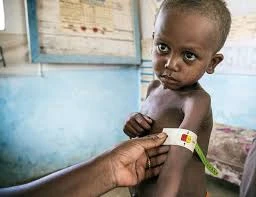
Not getting enough food or nutrients
Causes:
- Not enough food to eat
- Poor quality food with few nutrients
- Eating only one type of food repeatedly
- Illness that prevents food absorption
Effects:
- Slow growth in children
- Weight loss and weakness
- Frequent infections and illness
- Poor concentration and learning problems
- Overnutrition

Eating too much food, especially unhealthy foods
Causes:
- Eating too much junk food
- Too many sugary drinks and snacks
- Large portions of food
- Not enough exercise
Effects:
- Overweight or obesity
- Tooth decay from too much sugar
- Health problems like diabetes
- Difficulty with physical activities
Common Deficiency Diseases
- Protein Deficiency
Kwashiorkor:
- Cause: Not getting enough protein in diet
- Common in: Children who eat mostly carbohydrates
- Signs:
- Swollen belly and legs
- Thin, reddish hair that falls out easily
- Slow growth and development
- Skin problems and rashes
- Always tired and weak
Marasmus:
- Cause: Not getting enough food overall (calories and protein)
- Signs:
- Very thin and bony appearance
- Wrinkled skin like an old person
- Large head compared to small body
- Always hungry and irritable
- No energy to play or move
- Vitamin Deficiencies
Vitamin A Deficiency:
- Cause: Not eating enough fruits and vegetables with Vitamin A
- Signs:
- Night blindness – cannot see well in dark
- Dry eyes that feel scratchy
- Frequent eye infections
- Dry, rough skin
- Slow healing of cuts and wounds
Vitamin C Deficiency (Scurvy):
- Cause: Not eating enough citrus fruits and fresh vegetables
- Signs:
- Bleeding gums and loose teeth
- Slow healing wounds
- Easy bruising on skin
- Joint pain and swelling
- Weakness and fatigue
Vitamin D Deficiency (Rickets):
- Cause: Not enough sunlight and Vitamin D foods
- Signs:
- Soft, bent bones especially legs
- Bow legs or knock knees
- Late tooth development
- Weak muscles
- Frequent bone fractures
- Mineral Deficiencies
Iron Deficiency (Anemia):
- Cause: Not eating enough iron-rich foods
- Signs:
- Pale skin and lips
- Always tired and weak
- Shortness of breath
- Cold hands and feet
- Strange cravings for ice or starch
Iodine Deficiency (Goiter):
- Cause: Not getting enough iodine in diet
- Signs:
- Swollen neck (enlarged thyroid gland)
- Difficulty swallowing
- Slow growth and development
- Learning problems
- Always feeling cold
Calcium Deficiency:
- Cause: Not enough calcium-rich foods
- Signs:
- Weak bones that break easily
- Tooth decay and cavities
- Muscle cramps
- Slow growth in children
Foods That Prevent Deficiencies
To Prevent Protein Deficiency:
- Animal proteins: Fish, meat, chicken, eggs, milk
- Plant proteins: Beans, groundnuts, soybeans
- Combination: Rice and beans together
- Daily need: Include protein in every meal
To Prevent Vitamin A Deficiency:
- Orange/yellow foods: Carrots, mangoes, pawpaw, pumpkin
- Green leafy vegetables: Spinach, bitter leaf, water leaf
- Animal sources: Liver, fish, eggs, milk
- Local foods: Palm oil, yellow plantain
To Prevent Vitamin C Deficiency:
- Citrus fruits: Oranges, lemons, limes, grapefruits
- Other fruits: Guavas, tomatoes, strawberries
- Vegetables: Fresh peppers, cabbage
- Fresh foods: Eat fruits and vegetables fresh, not overcooked
To Prevent Vitamin D Deficiency:
- Sunshine: Play outside in sunlight daily
- Foods: Fish, eggs, milk
- Fortified foods: Foods with added Vitamin D
- Safe sun exposure: Early morning or late afternoon
To Prevent Iron Deficiency:
- Red meat: Beef, goat meat, liver
- Fish: Fresh fish, dried fish
- Plant sources: Beans, spinach, garden egg leaves
- Combination: Eat with Vitamin C foods for better absorption
To Prevent Iodine Deficiency:
- Iodized salt: Use salt with added iodine
- Seafood: Fish and other sea animals
- Seaweed: If available in coastal areas
- Check labels: Make sure salt contains iodine
Signs to Watch For
Warning Signs of Malnutrition:
- Slow growth compared to other children same age
- Always tired and no energy to play
- Getting sick very often
- Wounds heal very slowly
- Cannot concentrate in school
- Mood changes – always sad or irritable
Physical Signs:
- Weight loss or very slow weight gain
- Pale skin and lips
- Dry, dull hair that breaks easily
- Dry, rough skin
- Swelling in hands, feet, or belly
- Muscle wasting – arms and legs look very thin
Prevention of Deficiency and Malnutrition
Eat Balanced Meals:
- Include all food groups in every meal
- Variety of foods from each group
- Fresh fruits and vegetables daily
- Adequate portions for age and activity
Regular Meal Times:
- Don’t skip meals especially breakfast
- Eat at regular times each day
- Healthy snacks between meals
- Family meals when possible
Food Safety and Hygiene:
- Wash hands before eating
- Clean fruits and vegetables
- Cook food thoroughly
- Store food properly to stay fresh
Seek Help When Needed:
- Visit health clinic for regular check-ups
- Tell adults if you feel unwell
- Ask for help if family needs food assistance
- Learn about good nutrition
Treatment and Recovery
Medical Treatment:
- See doctor or health worker for proper diagnosis
- Follow treatment instructions exactly
- Take medicines as prescribed
- Regular check-ups to monitor progress
Nutritional Rehabilitation:
- Gradually increase food intake
- Focus on nutrient-rich foods
- Small, frequent meals rather than large ones
- Include supplements if recommended by health worker
Family Support:
- Whole family should eat better
- Learn about proper nutrition together
- Support sick family member
- Create healthy eating environment
EXERCISES
Exercise 1: Fill in the Blanks
- Deficiency means not getting enough of a specific ________ your body needs
- ________ means having poor nutrition from wrong food choices
- Kwashiorkor is caused by not getting enough ________
- ________ deficiency causes night blindness
Exercise 2: True or False
- Malnutrition only means not eating enough food ____
- Kwashiorkor causes a swollen belly ____
- Vitamin C deficiency can cause bleeding gums ____
- Eating too much junk food can cause malnutrition ____
Exercise 3: Match Disease with Cause
Draw lines to connect each disease with its main cause:
- Kwashiorkor → Not enough iron in diet
- Anemia → Not enough protein in diet
- Rickets → Not enough Vitamin C in diet
- Scurvy → Not enough Vitamin D and sunlight
Exercise 4: Deficiency Classification
Write “P” for Protein, “VA” for Vitamin A, “VC” for Vitamin C, “VD” for Vitamin D, “I” for Iron, or “IO” for Iodine deficiency:
- Night blindness ____
- Swollen belly ____
- Bleeding gums ____
- Bent bones ____
- Pale skin ____
- Swollen neck ____
Exercise 5: Choose the Right Answer
Circle the correct answer:
- Marasmus is caused by: Too much food / Not enough food overall
- Best prevention for Vitamin A deficiency: Citrus fruits / Orange vegetables
- Iron deficiency causes: Goiter / Anemia
- Rickets affects mainly: Bones / Eyes
This term's Home Economics topics
Basic 4 Third Term · 7 topics
Third Term Home Economics Lesson Notes for Other Topics

Home Accidents II
Read the full lesson note.

Home Accidents I
Read the full lesson note.

Marketing of Petroleum Jelly
Read the full lesson note.

Making of Liquid Soap
Read the full lesson note.

How to make Disinfectant Dettol
Read the full lesson note.

Cooking Methods
Read the full lesson note.

Cooking Methods Baking, Roasting, Frying 2
Read the full lesson note.

Cooking Methods Baking, Roasting, Frying
Read the full lesson note.

Cooking Of Food
Read the full lesson note.
Food Contamination
Read the full lesson note.

Food Safety
Read the full lesson note.

Care Of Personal Belongings
Read the full lesson note.

Uses Of Personal And Family Resources
Read the full lesson note.

Laundry Agent Tools and Equipment
Read the full lesson note.

Basic Stitches - Temporary Stitches
Read the full lesson note.
Lesson Notes for Other Classes

Basic 1 Lesson Note
The complete lesson note to guide your studies.

Basic 2 Lesson Note
The complete lesson note to guide your studies.

Basic 3 Lesson Note
The complete lesson note to guide your studies.

Basic 5 Lesson Note
The complete lesson note to guide your studies.

Basic 6 Lesson Note
The complete lesson note to guide your studies.

JSS1 Lesson Note
The complete lesson note to guide your studies.


