Adequate Diet (Balanced Diet) – Basic 4 Home Economics Lesson Note (Third Term)
Download Lesson NoteLesson note at a glance
- Subject
- Home Economics
- Class
- Basic 4
- Term
- Third Term
- Topic
- Adequate Diet (Balanced Diet)
- Order
- Topic 3 of 7 this term
- Reading time
- 5 min
What is an Adequate Diet?

An adequate diet is eating enough food that contains all the nutrients your body needs to grow, stay healthy, and have energy for daily activities.
What is a Balanced Diet?
A balanced diet contains foods from all the different food groups in the right amounts to keep your body healthy and strong.
Why Do We Need a Balanced Diet?
For Growth:
- Help children grow taller and stronger
- Build muscles and bones properly
- Develop brain and thinking ability
- Support all body systems
For Energy:
- Power for playing and learning
- Energy for walking and running
- Fuel for brain to think and concentrate
- Strength for daily activities
For Health:
- Fight diseases and stay well
- Heal quickly when injured
- Strong immune system to fight germs
- Prevent malnutrition and health problems
For Proper Body Function:
- Heart beats properly
- Lungs work well for breathing
- Digestive system processes food
- All organs function correctly
Components of a Balanced Diet
- Energy-Giving Foods (Carbohydrates and Fats)

Function: Provide energy for daily activities
Carbohydrate Foods:
- Staple foods: Rice, yam, cassava, plantain
- Bread and cereals: Wheat bread, oats, millet
- Sweet foods: Honey, dates, ripe fruits
- Root crops: Sweet potato, Irish potato
Fat Foods:
- Cooking oils: Palm oil, groundnut oil, coconut oil
- Nuts and seeds: Groundnuts, cashews, melon seeds
- Animal fats: Butter, fish oil
- Others: Avocado, coconut meat
Daily Need: 50-60% of total food intake
- Body-Building Foods (Proteins)
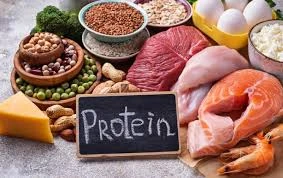
Function: Help body grow and repair tissues
Animal Proteins:
- Meat: Chicken, beef, goat meat, fish
- Dairy products: Milk, cheese, yogurt
- Eggs: Chicken eggs, duck eggs
- Seafood: Fresh fish, dried fish, crayfish
Plant Proteins:
- Legumes: Beans, cowpeas, soybeans, lentils
- Nuts: Groundnuts, cashews, walnuts
- Seeds: Melon seeds, pumpkin seeds
Daily Need: 15-20% of total food intake
- Protective Foods (Vitamins and Minerals)

Function: Keep body healthy and fight diseases
Fruits:
- Vitamin C rich: Oranges, guavas, tomatoes, peppers
- Vitamin A rich: Mangoes, pawpaw, carrots
- Others: Bananas, pineapples, watermelon, apples
Vegetables:
- Green leafy: Spinach, lettuce, water leaf, bitter leaf
- Orange/yellow: Carrots, pumpkin, yellow pepper
- Others: Cabbage, okra, green beans, cucumber
Daily Need: 20-25% of total food intake
- Water
Function: Transport nutrients, remove waste, cool body
Sources:
- Plain water: 6-8 glasses daily for children
- Natural sources: Fruits, vegetables, soups
- Clean water: Boiled or treated water
Daily Need: Throughout the day, especially with meals
Planning a Balanced Meal
Nigerian Balanced Breakfast:
- Energy food: Bread, pap, or yam
- Protein food: Egg, milk, or beans
- Protective food: Orange, banana, or tomato
- Drink: Clean water, milk, or fruit juice
Nigerian Balanced Lunch:
- Energy food: Rice, yam, or garri
- Protein food: Fish, chicken, meat, or beans
- Protective food: Vegetable soup, salad, or fruit
- Drink: Clean water
Nigerian Balanced Dinner:
- Energy food: Plantain, cassava, or rice
- Protein food: Fish, eggs, or beans
- Protective food: Vegetable soup or fruits
- Drink: Clean water
Food Portions and Serving Sizes
Visual Guide for Children:
- Energy foods: Size of your fist
- Protein foods: Size of your palm
- Fruits and vegetables: Fill half your plate
- Water: Drink when thirsty and with meals
Daily Meal Pattern:
- 3 main meals: Breakfast, lunch, dinner
- 2 healthy snacks: Mid-morning and afternoon
- Regular timing: Eat at similar times each day
- Family meals: Eat together when possible
Signs of a Balanced Diet
Physical Signs:
- Normal growth: Growing at expected rate for age
- Healthy weight: Not too thin or too heavy
- Good energy: Active and playful throughout day
- Bright eyes: Clear, bright, alert eyes
- Healthy skin: Smooth, clear skin
- Shiny hair: Strong, healthy-looking hair
Behavioral Signs:
- Good concentration: Can focus in school
- Happy mood: Generally cheerful and positive
- Good sleep: Sleeps well at night
- Strong immunity: Doesn’t get sick often
Problems of Poor Diet
Malnutrition:
Eating too little food or wrong types of food
Signs of Malnutrition:
- Slow growth: Not growing normally
- Weakness: Tired and weak often
- Frequent illness: Getting sick regularly
- Poor concentration: Cannot focus in school
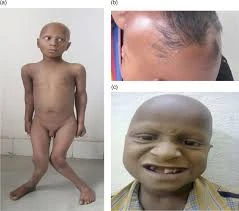
Specific Deficiency Diseases:
- Kwashiorkor: Not enough protein (swollen belly)

- Marasmus: Not enough food overall (very thin)

- Anemia: Not enough iron (pale, tired)
- Night blindness: Not enough Vitamin A
- Rickets: Not enough Vitamin D and calcium
Overeating Problems:
- Obesity: Too much food, especially junk food
- Tooth decay: Too many sugary foods
- Stomach problems: Eating too much at once
Tips for Maintaining a Balanced Diet
Food Selection:
- Eat variety of foods from all groups daily
- Choose fresh foods over processed when possible
- Include local foods that are nutritious and affordable
- Try new foods to get different nutrients
Meal Planning:
- Plan meals ahead of time
- Shop wisely for nutritious foods
- Cook at home more often than eating out
- Involve family in meal planning
Healthy Eating Habits:
- Eat regular meals at proper times
- Chew food well and eat slowly
- Drink plenty of clean water
- Limit sugary drinks and snacks
Food Safety:
- Wash fruits and vegetables before eating
- Store food properly to stay fresh
- Cook food thoroughly to kill germs
- Eat fresh food and avoid spoiled items
Making Healthy Food Choices
At Home:
- Help plan family meals
- Ask for nutritious foods you like
- Try new healthy foods
- Drink water instead of sugary drinks
At School:
- Choose healthy options from canteen
- Bring nutritious snacks from home
- Share knowledge about good nutrition with friends
- Don’t skip meals, especially breakfast
Special Occasions:
- Enjoy treats in moderation
- Balance indulgent foods with healthy choices
- Focus on celebration, not just food
- Return to normal eating after events
EXERCISES
Exercise 1: Fill in the Blanks
- An adequate diet contains all the ________ your body needs
- A balanced diet includes foods from all different ________ groups
- Energy-giving foods should be ________ percent of daily food intake
- Children need ________ glasses of water daily
Exercise 2: True or False
- A balanced diet helps children grow properly ____
- We only need foods from one food group ____
- Water is an important part of a balanced diet ____
- Eating too much food is always healthy ____
Exercise 3: Match Food Group with Function
Draw lines to connect each food group with its main function:
- Energy-giving foods → Keep body healthy and fight diseases
- Body-building foods → Provide energy for activities
- Protective foods → Help body grow and repair
- Water → Transport nutrients and cool body
Exercise 4: Food Group Classification
Write “E” for Energy-giving, “B” for Body-building, or “P” for Protective foods:
- Rice ____
- Fish ____
- Oranges ____
- Beans ____
- Yam ____
- Spinach ____
Exercise 5: Choose the Right Answer
Circle the correct answer:
- Balanced diet helps with: Only growth / Growth, energy, and health
- Daily water need for children: 2-3 glasses / 6-8 glasses
- Protein foods should be: 50% of diet / 15-20% of diet
- Best eating pattern: 1 large meal / 3 meals and 2 snacks
This term's Home Economics topics
Basic 4 Third Term · 7 topics
Third Term Home Economics Lesson Notes for Other Topics

Home Accidents II
Read the full lesson note.
Home Accidents I
Read the full lesson note.

Marketing of Petroleum Jelly
Read the full lesson note.

Making of Liquid Soap
Read the full lesson note.
How to make Disinfectant Dettol
Read the full lesson note.
Cooking Methods
Read the full lesson note.
Cooking Methods Baking, Roasting, Frying 2
Read the full lesson note.
Cooking Methods Baking, Roasting, Frying
Read the full lesson note.
Cooking Of Food
Read the full lesson note.
Food Contamination
Read the full lesson note.

Food Safety
Read the full lesson note.
Care Of Personal Belongings
Read the full lesson note.
Uses Of Personal And Family Resources
Read the full lesson note.
Laundry Agent Tools and Equipment
Read the full lesson note.

Basic Stitches - Temporary Stitches
Read the full lesson note.
Lesson Notes for Other Classes

Basic 1 Lesson Note
The complete lesson note to guide your studies.
Basic 2 Lesson Note
The complete lesson note to guide your studies.

Basic 3 Lesson Note
The complete lesson note to guide your studies.
Basic 5 Lesson Note
The complete lesson note to guide your studies.
Basic 6 Lesson Note
The complete lesson note to guide your studies.

JSS1 Lesson Note
The complete lesson note to guide your studies.