Tsafar Abinci (Food Hygiene) – Basic 3 Hausa Lesson Note (Third Term)
Download Lesson NoteLesson note at a glance
- Subject
- Hausa
- Class
- Basic 3
- Term
- Third Term
- Topic
- Tsafar Abinci (Food Hygiene)
- Order
- Topic 3 of 9 this term
- Reading time
- 2 min
Subject: Hausa Language
Class: Primary 3
Topic: Tsafar Abinci (Food Hygiene)
Duration: 35 minutes
Learning Objectives
Pupils will be able to:
- Talk about clean food in Hausa
- Know food safety rules
- Use hygiene vocabulary
Tsafar Abinci (Food Hygiene)
Abincin Tsafta (Clean Food)
- Wanke abinci – Wash food
- Dafa sosai – Cook well
- Rufe abinci – Cover food
- Tsabtace kayan dafawa – Clean cooking utensils
- Ajiye a wurin sanyi – Store in cool place
- Duba kwanan wata – Check expiry date
Hanyoyin Tsafta (Ways of Cleanliness)
- Wanke hannu – Wash hands
- Wanke farantin – Wash plates
- Wanke cokali – Wash spoons
- Tsabtace teburi – Clean table
- Wanke ‘ya’yan itace – Wash fruits
- Wanke kayan lambu – Wash vegetables
Abincin Da Ba Lafiya (Unhealthy Food)
- Abincin da ya lalace – Spoiled food
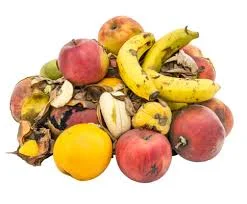
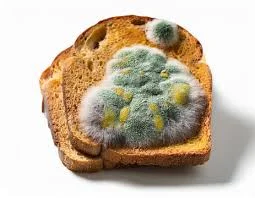
- Abincin da ya yi tsuma – Moldy food
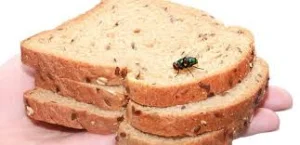
- Abincin da kuda suka taba – Food touched by flies
- Abincin da ba a rufe ba – Uncovered food
- Abincin da ya daɗe – Old food
Muhimman Dokoki (Important Rules)
- Wanke hannu kafin ci – Wash hands before eating
- Sha ruwan sha – Drink clean water
- Ci abincin da ya yi daɗi – Eat fresh food
- Kada ka ci abincin da ya lalace – Don’t eat spoiled food
Common Expressions
- Wannan abinci tsafta ne – This food is clean
- Na wanke hannuna – I washed my hands
- Abincin ya lalace – The food is spoiled
- Mu rufe abinci – Let’s cover the food
Exercises
Exercise 1: Complete the sentences
- Kafin cin abinci sai na _______ hannuna (Before eating I wash my hands)
- _______ abinci don kada kuda su taba shi (Cover food so flies don’t touch it)
- Abincin da ya _______ ba mu ci ba (We don’t eat spoiled food)
- Na _______ ‘ya’yan itace (I washed the fruits)
Exercise 2: Good or Bad for health?
Write “Lafiya” (Healthy) or “Ba lafiya ba” (Unhealthy):
- Eating with dirty hands ( )
- Washing fruits before eating ( )
- Eating moldy bread ( )
- Covering leftover food ( )
- Drinking dirty water ( )
Exercise 3: What should you do?
- Before eating: _______
- When you see flies on food: _______
- After cooking: _______
- When food smells bad: _______
Exercise 4: Match the actions
- Wanke → Spoiled
- Rufe → Wash
- Lalace → Cook
- Dafa → Cover
Exercise 5: Answer these questions
- Why should we wash our hands? Me ya sa za mu wanke hannu: _____________
- What happens if we eat dirty food? Me zai faru idan mun ci abinci marar tsafta: _____________
- How do we keep food clean? Ta yaya za mu kiyaye abinci tsafta: _____________
Class Work
Act out the correct way to:
- Wash your hands
- Wash fruits
- Cover food
- Check if food is good
Homework
- Help your mother wash vegetables for dinner
- Practice washing your hands properly before every meal
- Tell your family 3 things you learned about food cleanliness
Teacher’s Note: Emphasize practical hygiene habits. If possible, demonstrate proper hand washing technique during the lesson.
This term's Hausa topics
Basic 3 Third Term · 9 topics
- Wakoki (Songs)
- Kyawawan Dabi’u (Good Behavior/Manners)
- Tsafar Abinci (Food Hygiene)
- Karin Kidaya (Advanced Counting)
- Karin Karabi (Advanced Reading)
- Karin Magana Da Maganganun Azanci (Proverbs and Wise Sayings)
- Iyali Hausawa (Hausa Family)
- Sunayen Mako (Days of the Week)
- Watannin Shekara (Months of the Year)
Third Term Hausa Lesson Notes for Other Topics
Karin Karabi (Advanced Reading)
Read the full lesson note.
Karin Magana da Maganganun Azanci (Proverbs and Wise Sayings)
Read the full lesson note.
Iyali Hausawa (Hausa Family)
Read the full lesson note.

Sunayen Mako (Days of the Week)
Read the full lesson note.
Watannin Shekara (Months of the Year)
Read the full lesson note.
Karin Kidaya (Advanced Counting)
Read the full lesson note.

Wakoki (Songs)
Read the full lesson note.

Kyawawan Dabi'u (Good Behavior/Manners)
Read the full lesson note.

Bita da Ayyukan Ajali Na Biyu
Read the full lesson note.

Hanyoyin Sadarwa
Read the full lesson note.

Ci Gaba da Hanyoyin Sadarwa
Read the full lesson note.

Hanyoyin Sufuri
Read the full lesson note.

Ire-iren Hanyoyin Sufuri
Read the full lesson note.
Bukukuwan Hausawa
Read the full lesson note.

Saukakan Kari Magana Da Azanci
Read the full lesson note.
Lesson Notes for Other Classes

Basic 1 Lesson Note
The complete lesson note to guide your studies.

Basic 2 Lesson Note
The complete lesson note to guide your studies.

Basic 4 Lesson Note
The complete lesson note to guide your studies.
Basic 5 Lesson Note
The complete lesson note to guide your studies.
Basic 6 Lesson Note
The complete lesson note to guide your studies.
JSS1 Lesson Note
The complete lesson note to guide your studies.