
Uses of Music in Our Society – Basic 1 Cultural & Creative Arts Lesson Note (Second Term)
Download this term · ₦1,000Lesson note at a glance
- Subject
- Cultural & Creative Arts
- Class
- Basic 1
- Term
- Second Term
- Topic
- Uses of Music in Our Society
- Order
- Topic 4 of 10 this term
- Reading time
- 2 min
Music is sound that people sing or play. We use music every day, for entertainment, celebration, worship, education, communication, keeping our culture alive and healing. This lesson explains each use with simple examples.
Behavioural objectives
By the end of the lesson, students should be able to:
- name seven uses of music
- give one example for each use of music
- say how music is used in daily activities
What is music used for?

Music is very important in our lives. We use music every day.
Uses of music
1. Entertainment

- Music makes us happy.
- We enjoy listening to music.
- We dance to music.
- Music helps us relax.
2. Celebration

- We sing at birthdays.
- We play music at weddings.
- We use music during festivals.
- Music makes celebrations fun.
3. Worship

- We sing in church.
- We sing in the mosque.
- Music helps us pray.
- We praise God with music.
4. Education

- Songs help us learn.
- The ABC song teaches us letters.
- Number songs teach us counting.
- We remember things better with songs.
5. Communication

- Songs can tell stories.
- Music passes messages.
- We express our feelings through music.
- Warning songs teach us safety.
6. Cultural preservation
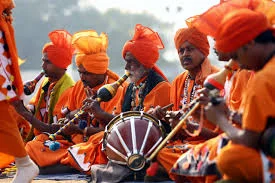
- Traditional music keeps our culture alive.
- Folk songs tell our history.
- Music connects us to our ancestors.
7. Healing
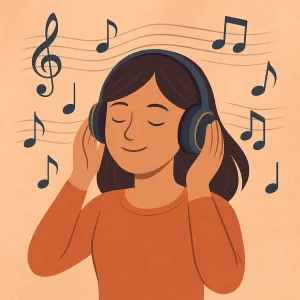
- Music can make sick people feel better.
- Lullabies help babies sleep.
- Music reduces stress.
- Music makes us feel good.
How do we use music in our daily activities?
- Morning wake-up songs
- Songs while working
- Songs while playing
- Songs before sleeping (lullabies)
Evaluation
Choose the correct answer.
- Music makes us _____.
- a) sad always
- b) happy
- c) angry
- We use music to _____ God.
- a) worship
- b) fight
- c) ignore
- The ABC song helps us learn _____.
- a) cooking
- b) letters
- c) fighting
- Lullabies help babies _____.
- a) cry
- b) sleep
- c) run
- Traditional music keeps our _____ alive.
- a) culture
- b) anger
- c) sadness
Assignment
- Sing one song you know and tell what it is used for.
- Learn a new educational song from your teacher.
- Ask your parents about one traditional song.
- Write: Music makes us happy.
This term's Cultural & Creative Arts topics
Basic 1 Second Term · 10 topics
Get Cultural & Creative Arts (CCA) as PDF and Word
Every week of Basic 1 Cultural & Creative Arts (CCA), Second Term, formatted and ready to print. Ad-free, and the copy lock comes off.
Get this term Card, bank transfer, USSD or OPay
Second Term Cultural & Creative Arts (CCA) Lesson Notes for Other Topics
Sing Folk Song
Read the full lesson note.
Identification and Drawing of Craft Items
Read the full lesson note.

Introduction to Recorder
Read the full lesson note.

Sense of Belonging
Read the full lesson note.
Definition and Types of Dance
Read the full lesson note.
Introduction to Story Telling
Read the full lesson note.
Types of Craft
Read the full lesson note.
Singing the Nigerian National Anthem
Read the full lesson note.

Meaning of Craft
Read the full lesson note.
Introduction to Modelling: Making Objects with Paper Mache
Read the full lesson note.
Traditional Fabrics and Dresses
Read the full lesson note.
Singing Tonic Solfa of Twinkle Twinkle Little Star and Matching Songs
Read the full lesson note.
Musical Notes and Their Values
Read the full lesson note.

Methods of Modelling Objects with Clay Plastering
Read the full lesson note.
Importance of Traditional Dresses
Read the full lesson note.
Lesson Notes for Other Classes

Basic 2 Lesson Note
The complete lesson note to guide your studies.

Basic 3 Lesson Note
The complete lesson note to guide your studies.

Basic 4 Lesson Note
The complete lesson note to guide your studies.

Basic 5 Lesson Note
The complete lesson note to guide your studies.

Basic 6 Lesson Note
The complete lesson note to guide your studies.
JSS1 Lesson Note
The complete lesson note to guide your studies.


