
Importance of Traditional Dresses Basic 3 Cultural & Creative Arts (CCA) Lesson Note
Download Lesson NoteTopic: Importance of Traditional Dresses
Class: Primary 3
Subject: Cultural and Creative Art
Topic: Importance of Traditional Dresses (Iro and Buba, Aso Oke, Adire, Tar Shara and Hula)
Duration: 35 minutes
Learning Objectives
By the end of this lesson, pupils will be able to explain why traditional dresses are important and identify different traditional outfits from various Nigerian cultures.
Introduction
Traditional dresses are special clothes that have been worn by our people for many years. These beautiful outfits like Iro and Buba, Aso Oke, Adire, Tar Shara and Hula are not just clothing but important parts of our culture and identity. Today we will learn why these traditional dresses matter so much to our communities.
Main Content
Our Beautiful Traditional Dresses
Nigeria has many wonderful traditional outfits that represent different ethnic groups.
- The Yoruba people wear Iro and Buba, where Iro is the wrapper worn around the waist and Buba is the blouse.


- Aso Oke is a handwoven cloth used for special occasions.
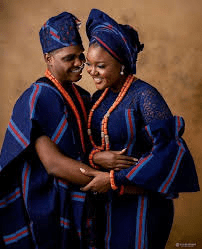
- Adire is the beautiful blue and white tie-dye fabric that creates amazing patterns.

- In the North, people wear Yar Shara and Hula, which are flowing robes that are perfect for the hot weather.

Why Traditional Dresses Are Important
Traditional dresses help us remember our history and show pride in where we come from. They connect us to our ancestors who created these beautiful styles many years ago. When we wear traditional clothes during festivals, weddings, and ceremonies, we keep our culture alive and pass it on to younger children. These clothes also show the skill and creativity of our people in making beautiful fabrics and designs.
Traditional Dresses in Our Daily Lives
Traditional dresses make special occasions more meaningful and beautiful. They help us identify with our community and feel proud of our heritage. Many people wear traditional clothes to work, school events, and religious services. These outfits also create jobs for people who weave, dye, and sew the fabrics. When visitors see our traditional dresses, they learn about our rich culture and traditions.
Class Exercises
Exercise 1: Traditional dress identification. Look at pictures of different traditional outfits and name each one. Match the Iro and Buba to the Yoruba people, and Tar Shara to the Northern people.
Exercise 2: Cultural sharing circle. Students wearing traditional clothes can show the class their outfits and explain what occasion they would wear them for and why they are special to their family.
Exercise 3: Design your traditional outfit. Draw and color a traditional dress from your community. Write the name of the outfit and explain when people wear it.
Exercise 4: Importance discussion. Work in groups to discuss three reasons why traditional dresses are important. Each group will share their ideas with the class.
Exercise 5: Traditional dress story time. Tell a short story about a special occasion when you or your family wore traditional clothes. Explain how it made you feel and why it was important.
Evaluation
Pupils will name at least three traditional dresses and explain two reasons why traditional dresses are important to Nigerian culture. They will also describe one occasion when traditional clothes are worn.
Assignment
Ask your parents or grandparents to tell you about the traditional clothes your family wears. Find out the names of these clothes, when they are worn, and what makes them special. Draw one traditional outfit from your family and write three sentences about why it is important to your culture.
Second Term Cultural & Creative Arts (CCA) Lesson Notes for Other Topics

Introduction to Modelling: Making Objects with Paper Mache
Explore lesson notes covering all topics.

Traditional Fabrics and Dresses
Explore lesson notes covering all topics.

Singing Tonic Solfa of Twinkle Twinkle Little Star and Matching Songs
Explore lesson notes covering all topics.

Musical Notes and Their Values
Explore lesson notes covering all topics.

Methods of Modelling Objects with Clay Plastering
Explore lesson notes covering all topics.

Musical Notes: Rhythmic Clapping
Explore lesson notes covering all topics.

Fashion Accessories
Explore lesson notes covering all topics.

Musical Notes - Introduction to Notation
Explore lesson notes covering all topics.

Costume and Make-up in Drama
Explore lesson notes covering all topics.
Mosaic
Explore lesson notes covering all topics.
Forms of Dance
Explore lesson notes covering all topics.

Choral Singing
Explore lesson notes covering all topics.

Care of Tools and Equipment used in Performing Arts and Entertainment
Explore lesson notes covering all topics.

Play
Explore lesson notes covering all topics.
Introduction to Play Production
Explore lesson notes covering all topics.
Lesson Notes for Other Classes

Basic 1 Lesson Note
The complete lesson note to guide your studies.

Basic 2 Lesson Note
The complete lesson note to guide your studies.

Basic 4 Lesson Note
The complete lesson note to guide your studies.
Basic 5 Lesson Note
The complete lesson note to guide your studies.

Basic 6 Lesson Note
The complete lesson note to guide your studies.

JSS1 Lesson Note
The complete lesson note to guide your studies.