
Introduction to Story Telling – Basic 1 Cultural & Creative Arts Lesson Note (Second Term)
Download this term · ₦1,000Lesson note at a glance
- Subject
- Cultural & Creative Arts
- Class
- Basic 1
- Term
- Second Term
- Topic
- Introduction to Story Telling
- Order
- Topic 6 of 10 this term
- Reading time
- 2 min
Story telling is sharing a story with others by using words to tell what happened. Stories can be real or made up. Every story has a beginning, a middle and an end. Stories are fun and teach us lessons. Common types are personal stories, folk tales and fairy tales.
Behavioural objectives
By the end of the lesson, students should be able to:
- say what story telling is
- name the beginning, middle and end of a story
- tell the difference between personal stories, folk tales and fairy tales
- use their voice, face and hands to tell a story
- tell a short story with a beginning, middle and end
What is story telling?

- Story telling is sharing a story with others.
- We use words to tell what happened.
- Stories can be real or made up.
- Stories are fun and teach us lessons.
What are the parts of a story?
Every story has:
- Beginning: how the story starts
- Middle: what happens in the story
- End: how the story finishes
What are the types of stories?
Personal stories
- Stories about yourself
- “I went to the market yesterday”
- “My birthday party was fun”
Folk tales
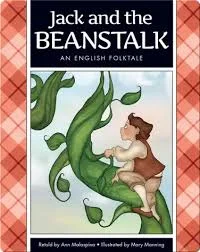
- Stories from our culture
- Example: Tortoise and the birds
- Passed down from grandparents
Fairy tales
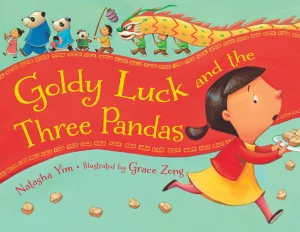
- Made-up magical stories
- Examples: Cinderella, Snow White
- They have magic and fantasy
How do we tell a good story?
- Start with “Once upon a time” or “One day”.
- Use your voice: speak loudly and softly.
- Use your face: show emotions.
- Use your hands: act it out.
- Look at your audience.
- Speak clearly.
- Make it interesting.
Simple story example
- Beginning: Once upon a time, there was a little rabbit.
- Middle: The rabbit was hungry and went to find food.
- End: He found carrots and ate happily. The end.
What are the themes of stories?
Common themes in stories are:
- Friendship
- Kindness
- Honesty
- Bravery
- Family love
Evaluation
Choose the correct answer.
- Story telling is _____ a story.
- a) hiding
- b) sharing
- c) destroying
- Every story has a beginning, middle, and _____.
- a) nothing
- b) end
- c) sleep
- “Once upon a time” starts a _____.
- a) fight
- b) story
- c) dance
- Folk tales come from our _____.
- a) culture
- b) enemies
- c) toys
- Stories teach us _____.
- a) bad things
- b) lessons
- c) fighting
Assignment
- Tell your parents a story about your day.
- Listen to one folk tale from your grandparents.
- Draw a picture about your favourite story.
- Create a short story about an animal.
This term's Cultural & Creative Arts topics
Basic 1 Second Term · 10 topics
Get Cultural & Creative Arts (CCA) as PDF and Word
Every week of Basic 1 Cultural & Creative Arts (CCA), Second Term, formatted and ready to print. Ad-free, and the copy lock comes off.
Get this term Card, bank transfer, USSD or OPay
Second Term Cultural & Creative Arts (CCA) Lesson Notes for Other Topics
Sing Folk Song
Read the full lesson note.
Identification and Drawing of Craft Items
Read the full lesson note.

Introduction to Recorder
Read the full lesson note.

Sense of Belonging
Read the full lesson note.
Definition and Types of Dance
Read the full lesson note.
Uses of Music in Our Society
Read the full lesson note.
Types of Craft
Read the full lesson note.
Singing the Nigerian National Anthem
Read the full lesson note.

Meaning of Craft
Read the full lesson note.
Introduction to Modelling: Making Objects with Paper Mache
Read the full lesson note.
Traditional Fabrics and Dresses
Read the full lesson note.
Singing Tonic Solfa of Twinkle Twinkle Little Star and Matching Songs
Read the full lesson note.
Musical Notes and Their Values
Read the full lesson note.

Methods of Modelling Objects with Clay Plastering
Read the full lesson note.
Importance of Traditional Dresses
Read the full lesson note.
Lesson Notes for Other Classes

Basic 2 Lesson Note
The complete lesson note to guide your studies.

Basic 3 Lesson Note
The complete lesson note to guide your studies.

Basic 4 Lesson Note
The complete lesson note to guide your studies.

Basic 5 Lesson Note
The complete lesson note to guide your studies.

Basic 6 Lesson Note
The complete lesson note to guide your studies.
JSS1 Lesson Note
The complete lesson note to guide your studies.


