
Definition and Types of Dance – Basic 1 Cultural & Creative Arts Lesson Note (Second Term)
Download this term · ₦1,000Lesson note at a glance
- Subject
- Cultural & Creative Arts
- Class
- Basic 1
- Term
- Second Term
- Topic
- Definition and Types of Dance
- Order
- Topic 5 of 10 this term
- Reading time
- 2 min
Dance is moving your body to music. It is a form of art, and we use our whole body when we dance. Dance makes us happy and healthy. There are five types of dance: traditional or folk, modern, social, religious and creative dance.
Behavioural objectives
By the end of the lesson, students should be able to:
- say what dance is;
- name the parts of the body we use in dance and how we move them;
- name the five types of dance and give examples;
- state some importance of dance.
What is dance?
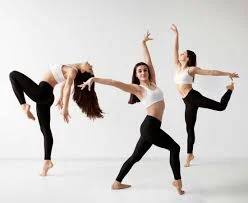
- Dance is moving your body to music.
- Dance is a form of art.
- We use our whole body when we dance.
- Dance makes us happy and healthy.
Which parts of the body do we use in dance?
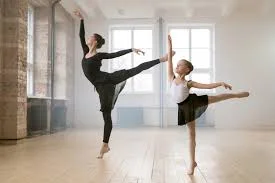
- Head: we nod and turn it.
- Arms: we wave and swing them.
- Legs: we jump and kick.
- Waist: we bend and twist it.
- Feet: we stamp and tap them.
What are the types of dance?
1. Traditional or folk dance
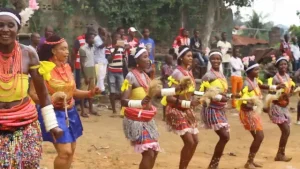
- These are dances from our culture.
- Examples: Bata dance, Swange, Atilogwu.
- They are done during festivals.
- Dancers wear traditional costumes.
2. Modern dance
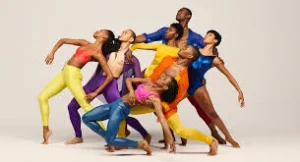
- These are new style dances.
- Examples: Hip hop, Ballet.
- They use modern music.
- They are popular with young people.
3. Social dance
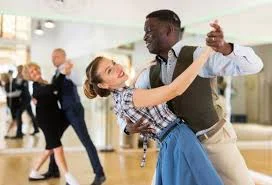
- These are dances at parties.
- Examples: Disco, Salsa.
- Everyone can join.
- They are fun and easy.
4. Religious dance

- These are dances in church or mosque.
- They include praise and worship dances.
- They are done to honour God.
5. Creative dance
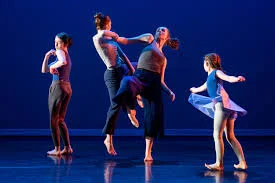
- We create our own moves.
- There are no fixed steps.
- We use our imagination.
Why is dance important?
- Entertainment: dance is fun to watch.
- Exercise: dance keeps us fit and healthy.
- Communication: dance tells stories and passes messages.
- Cultural identity: traditional dances show our culture.
- Happiness: dance brings joy and makes people happy.
- Celebration: we dance at special events.
Evaluation
Multiple choice exercise. Choose the correct answer.
- Dance is moving our body to _____.
a) sleep
b) music
c) food - Bata is a _____ dance.
a) modern
b) traditional
c) foreign - We use our _____ when dancing.
a) only head
b) only legs
c) whole body - Dance keeps us _____.
a) sick
b) fit and healthy
c) lazy - Religious dance is done to honour _____.
a) no one
b) God
c) money
Assignment
- Dance to a song at home.
- Draw someone dancing.
- Learn one traditional dance step from your parents.
- Tell one importance of dance.
This term's Cultural & Creative Arts topics
Basic 1 Second Term · 10 topics
Get Cultural & Creative Arts (CCA) as PDF and Word
Every week of Basic 1 Cultural & Creative Arts (CCA), Second Term, formatted and ready to print. Ad-free, and the copy lock comes off.
Get this term Card, bank transfer, USSD or OPay
Second Term Cultural & Creative Arts (CCA) Lesson Notes for Other Topics
Sing Folk Song
Read the full lesson note.
Identification and Drawing of Craft Items
Read the full lesson note.

Introduction to Recorder
Read the full lesson note.

Sense of Belonging
Read the full lesson note.
Introduction to Story Telling
Read the full lesson note.
Uses of Music in Our Society
Read the full lesson note.
Types of Craft
Read the full lesson note.
Singing the Nigerian National Anthem
Read the full lesson note.

Meaning of Craft
Read the full lesson note.
Introduction to Modelling: Making Objects with Paper Mache
Read the full lesson note.
Traditional Fabrics and Dresses
Read the full lesson note.
Singing Tonic Solfa of Twinkle Twinkle Little Star and Matching Songs
Read the full lesson note.
Musical Notes and Their Values
Read the full lesson note.

Methods of Modelling Objects with Clay Plastering
Read the full lesson note.
Importance of Traditional Dresses
Read the full lesson note.
Lesson Notes for Other Classes

Basic 2 Lesson Note
The complete lesson note to guide your studies.

Basic 3 Lesson Note
The complete lesson note to guide your studies.

Basic 4 Lesson Note
The complete lesson note to guide your studies.

Basic 5 Lesson Note
The complete lesson note to guide your studies.

Basic 6 Lesson Note
The complete lesson note to guide your studies.
JSS1 Lesson Note
The complete lesson note to guide your studies.


