
Transportation – SS2 Marketing Lesson Note (First Term)
Download this term · ₦1,000Lesson note at a glance
- Subject
- Marketing
- Class
- SS2
- Term
- First Term
- Topic
- Transportation
- Order
- Topic 6 of 6 this term
- Reading time
- 4 min
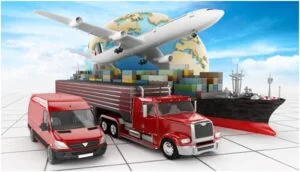
Transportation is the process of conveying or carrying goods and people from one place to another by road, rail, water or air.
Behavioural objectives
By the end of the lesson, students should be able to:
- define transportation;
- list the ways by which goods and people are moved from one place to another;
- state the advantages and disadvantages of each means of transport;
- state the importance of transportation;
- explain how transportation helps firms, producers and consumers.
What is transportation?
Transportation is the movement of goods and people from where they are to where they are needed.
- Aid to trade: it is one of the services that help trade to take place, together with banking, insurance, warehousing, advertising and communication.
- Place utility: it moves goods to the place where buyers want them.
- Link: it connects producers, traders and consumers who live far from one another.
What are the means of transportation?
There are four main means of transportation: road, rail, water and air.
Road transport
- Vehicles: cars, buses, lorries, trucks, tankers, motorcycles and tricycles.
- Use in Nigeria: it carries most goods and passengers within and between towns.
- Advantage: it gives door-to-door service and is flexible.
- Disadvantage: it is affected by bad roads, accidents and traffic jams.
Rail transport
- Vehicles: trains with wagons for goods and coaches for passengers.
- Use in Nigeria: the Nigerian Railway Corporation runs the railway services.
- Advantage: it carries heavy and bulky goods over long distances at low cost.
- Disadvantage: it only runs on fixed tracks and between stations.
Water transport
- Inland water transport: canoes, boats and barges on rivers, lakes and creeks, such as the Niger and Benue.
- Sea transport: ships, tankers and cargo vessels that use seaports such as Lagos and Port Harcourt.
- Advantage: it is cheap for bulky goods and is the main means of international trade.
- Disadvantage: it is slow and depends on ports and weather.
Air transport
- Vehicles: aeroplanes and helicopters.
- Use in Nigeria: goods and people move through airports such as Lagos and Abuja.
- Advantage: it is the fastest means and suits perishable and urgent goods.
- Disadvantage: it is costly and carries only limited loads.
Comparison of the four means
| Means | Speed | Cost | Best for |
|---|---|---|---|
| Road | Moderate | Moderate | Short and medium distances, door-to-door delivery |
| Rail | Moderate | Low for bulk | Heavy goods over long distances |
| Water | Slow | Lowest for bulk | Bulky goods and overseas trade |
| Air | Fastest | Highest | Urgent, light and perishable goods |
What factors decide the means of transport to use?
The choice of transport depends on the goods, the money available and the need for speed.
- Nature of goods: perishable, fragile or heavy goods need different means.
- Cost: a trader picks a means that fits the budget.
- Speed: urgent goods go by the fastest means.
- Distance: long distances and overseas trade favour rail, sea or air.
- Safety: valuable goods need a safe and reliable means.
- Availability: the means must reach the place where the goods are needed.
Why is transportation important?
Transportation is important because it moves goods, people and resources to where they are needed.
- Encouragement of international trade: with the development of air and sea transport, trade between one country and another is encouraged.
- Expansion of a firm’s market: through transportation, a firm’s market can be extended for the sale of its products.
- Effective and efficient distribution of goods: goods and services reach the areas where they are needed.
- Movement of productive resources: a good means of transport moves resources from where they are available to where they can be put to adequate use.
- Prevention of wastage of perishable goods: adequate and efficient transport ensures fast distribution of perishable goods, so they do not spoil.
- Movement of goods and persons: goods and persons can easily move from one place to another.
- Improved standard of living: goods and services are made available at the right time and in the right place, which improves the standard of living.
How does transportation help firms, producers and consumers?
Transportation benefits every group in the chain from production to consumption.
- Firms: they reach customers in distant towns and other countries, so sales increase.
- Producers: they bring raw materials to the factory and send finished goods to the market.
- Farmers: they carry fresh crops such as tomatoes and yams to markets before they spoil.
- Consumers: they get a wide choice of goods, including goods not made in their area.
- Workers: they travel to their places of work and to places where jobs are found.
Evaluation
- Define transportation.
- Name the four main means by which goods and people can be transported.
- State four importance of transportation.
- How does transportation help to prevent wastage of perishable goods?
- Give one advantage and one disadvantage of air transport.
Assignment
- Explain how transportation helps a firm to expand its market.
- Explain how transportation improves the standard of living of people.
This term's Marketing topics
SS2 First Term · 6 topics
Get Marketing as PDF and Word
Every week of SS2 Marketing, First Term, formatted and ready to print. Ad-free, and the copy lock comes off.
Get this term Card, bank transfer, USSD or OPay
SS2 Marketing Lesson Notes for Other Topics
Distribution
Read the full lesson note.
Channels Of Distribution
Read the full lesson note.
Modes Of Transportation
Read the full lesson note.
Choice Of Transportation
Read the full lesson note.
Choice Of Distribution Channel
Read the full lesson note.

Documents Used In Transportation
Read the full lesson note.

Warehousing
Read the full lesson note.

Primary And Secondary Products
Read the full lesson note.

Facilitators
Read the full lesson note.

Food Processing Industries
Read the full lesson note.

Banks
Read the full lesson note.
Co-Operative Societies
Read the full lesson note.

Basins And Boards
Read the full lesson note.

Microfinance Companies
Read the full lesson note.

Marketing Of Mineral Products
Read the full lesson note.
Lesson Notes for Other Classes

SS1 Lesson Note
The complete lesson note to guide your studies.

SS3 Lesson Note
The complete lesson note to guide your studies.
