
Political Apathy – SS2 Civic Education Lesson Note (First Term)
Download this term · ₦1,000Lesson note at a glance
- Subject
- Civic Education
- Class
- SS2
- Term
- First Term
- Topic
- Political Apathy
- Order
- Topic 7 of 8 this term
- Reading time
- 4 min
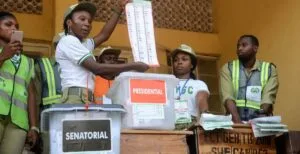
Political apathy is the lukewarm attitude or total refusal of citizens to take part in the political activities of the state.
- Apathetic citizens: they are neither willing nor interested in public activities such as voting.
- Apathy: means lack of interest or concern.
Behavioural objectives
By the end of the lesson, students should be able to:
- define political apathy;
- list the forms of political apathy;
- explain the reasons for political apathy;
- suggest ways of reducing political apathy;
- explain recall and state how it differs from impeachment.
What are the forms of political apathy?
There are six common forms of political apathy, all showing a refusal to take part in political life.
- Refusal to vote: eligible citizens stay at home on election day.
- Unwillingness to join a political party: citizens avoid party membership and party activities.
- Refusal to register to vote: citizens do not collect a voter’s card, so they cannot vote.
- Unwillingness to fight electoral malpractices: citizens watch rigging and thuggery without reporting or opposing them.
- Refusal to attend protests or demonstrations: citizens do not join peaceful action to demand better government.
- Refusal to attend rallies and campaigns: citizens do not listen to candidates or compare their plans.
What are the reasons for political apathy?
Citizens refuse to take part in politics mainly because of fear, distrust and lack of knowledge.
- Political violence during elections: many Nigerian elections have had violence, killings and maiming, which scares people away.
- Election rigging: people believe their votes will not count because results are manipulated, so they stay aloof.
- Unfulfilled political promises: parties and office holders make promises they never keep after winning.
- Insecurity during elections: many voters stay at home because they fear for their lives.
- Bad governance: office holders live in affluence while the voters who elected them live in poverty.
- Unhealthy rivalry between parties: members treat opponents as enemies and may try to eliminate them, so responsible people avoid politics.
- Illiteracy: many people lack political education, skills and knowledge to take part.
What are the effects of political apathy?
Political apathy weakens democracy because fewer citizens decide who governs.
- Low voter turnout: few people vote, so winners may not truly reflect the wish of the people.
- Poor leadership: good candidates are not supported, and weak or corrupt ones can win.
- Weak accountability: leaders feel little pressure to serve the people well.
- Easy rigging: when citizens do not monitor elections, malpractices increase.
How can political apathy be reduced?
Political apathy can be reduced by making elections safe and fair, and by making government honest and responsive.
- Independent electoral body: the body that conducts elections should be independent and impartial.
- Keeping promises: government should fulfil its political promises to the people.
- Security: adequate security should be provided during elections.
- Peaceful campaigns: violent campaigns should be avoided.
- Political education: people should be taught about political activities and how to take part.
- Healthy rivalry: party members should stop seeing opponents as enemies.
- Accountability: government should be responsible and accountable to the people.
What is recall?
Recall is the process by which the electorate removes an elected representative from office before the end of his or her tenure because of poor representation.
- When it is needed: the representative performs below expectation or serves personal interest instead of the people’s interest.
- Who it applies to: only members of the legislature, such as senators and members of the House of Representatives.
- After a successful recall: a by-election must be held to fill the vacant seat.
What is impeachment?
Impeachment is the process by which the legislature removes a president or governor from office for gross misconduct.
- Who it applies to: presidents and governors.
- Who carries it out: the lawmakers, not the voters.
What is the difference between recall and impeachment?
Recall is done by the electorate against a legislator, while impeachment is done by the legislature against an executive head.
| Point | Recall | Impeachment |
|---|---|---|
| Who removes the person | The electorate (voters) | The legislature (lawmakers) |
| Who is removed | Members of the legislature | Presidents and governors |
| Main ground | Poor representation of the constituency | Gross misconduct |
| Result | A by-election is held for the vacant seat | The office holder leaves office and is replaced as the constitution provides |
Evaluation
- Define political apathy.
- State four forms of political apathy.
- Explain four reasons why citizens refuse to take part in political activities.
- State three ways of reducing political apathy.
- What is recall, and how does it differ from impeachment?
Assignment
Instruction: From the options lettered A to D, choose the letter that is most appropriate for each question. Answer all the questions.
- Refusal to vote in an election is
A. political denial
B. voting abuse
C. political apathy
D. popular participation. - The removal of a representative from office by the electorate is called
A. impeachment
B. recall
C. removal
D. dismissal. - Which of the following is not a reason for political apathy?
A. political violence
B. bad governance
C. election rigging
D. education. - An election that is conducted to fill a vacant position is called
A. by-election
B. vacant election
C. filling election
D. second election. - Which of these officers can be removed by impeachment?
A. a senator
B. a governor
C. a voter
D. a party member.
This term's Civic Education topics
SS2 First Term · 8 topics
- Citizenship Education
- Duties and Responsibilities of Citizens
- Skills Necessary for the Preservation of Our Traditions, Beliefs and Customs in Nigeria
- Capitalist Democracy
- How Political Parties Compete for Power Through Elections
- Poverty and its Effects
- Political Apathy
- Reasons Why Leaders Fail to Protect the Interest of Their Followers
Get Civic Education as PDF and Word
Every week of SS2 Civic Education, First Term, formatted and ready to print. Ad-free, and the copy lock comes off.
Get this term Card, bank transfer, USSD or OPay
SS2 Civic Education Lesson Notes for Other Topics

Citizenship Education
Read the full lesson note.

Duties And Responsibilities Of Citizens
Read the full lesson note.
Skills Necessary For The Preservation Of Our Traditions, Beliefs And Customs In Nigeria
Read the full lesson note.

Capitalist Democracy
Read the full lesson note.

How Political Parties Compete For Power Through Elections
Read the full lesson note.
Poverty And Its Effects
Read the full lesson note.
Reasons Why Leaders Fail To Protect The Interest Of Their Followers
Read the full lesson note.

Popular Participation
Read the full lesson note.
How Popular Organisations Are Formed
Read the full lesson note.

Human Rights
Read the full lesson note.
Emergency
Read the full lesson note.

Drugs And Drugs Abuse
Read the full lesson note.

Effects Of Drugs Abuse
Read the full lesson note.
Activities Of Drug Enforcement Agencies
Read the full lesson note.
Meticulous Study & Analysis of Chapters 2-6 of Wuthering Heights
Read the full lesson note.
Lesson Notes for Other Classes

SS1 Lesson Note
The complete lesson note to guide your studies.

SS3 Lesson Note
The complete lesson note to guide your studies.
