
THE IGBOS – SS1 Nigerian History Lesson Note (Second Term)
Lesson note at a glance
- Class
- SS1
- Subject
- Nigerian History
- Term
- Second Term
- Reading time
- 10 min
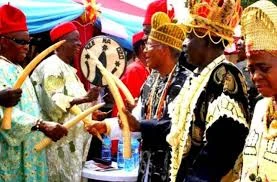
The Igbo are a major ethnic group of south-eastern Nigeria who speak the Igbo language and live mainly in Igboland.
Behavioural objectives
By the end of the lesson, students should be able to:
- State where the Igbo live and describe some ideas about their origins.
- Describe the political and social organisation of traditional Igbo society, including titles, age grades and the position of women.
- List the main economic activities of the Igbo in the past and today.
- Describe Igbo religious beliefs, art, music and oral traditions.
- Explain how contact with Europeans, the slave trade and British colonial rule affected the Igbo.
- Outline the Nigerian Civil War and name notable Igbo achievers.
Who are the Igbo and where did they come from?
The Igbo (sometimes spelled Ibo) are a cultural group in south-eastern Nigeria, mostly east of the River Niger.
Who are the Igbo?
- Language: they speak Igbo, which has many dialects.
- Homeland: Abia, Anambra, Ebonyi, Enugu and Imo states, with communities in parts of Delta and Rivers states.
- Size: one of Nigeria’s three largest ethnic groups.
- Spread: many Igbo now live in other parts of Nigeria and abroad.
- Reputation: known for trading skill and for valuing education.
Where did the Igbo come from?
There is no single agreed story of Igbo origin.
- Archaeology: evidence shows people have lived in Igboland for thousands of years.
- Igbo-Ukwu: this site (about the 9th century) produced fine bronze artefacts and shows early skilled metalworking.
- Migration traditions: some traditions say the Igbo came from the north or north-east.
- Local origin: others say they have always lived in their present homeland.
- Different communities: each community has its own origin story, with no single migration story.
- Common identity: language and shared customs joined many smaller groups together.
What were early Igbo settlements like?
- Villages: small, scattered villages, usually based on common ancestry, rather than large towns.
- Village-group: several villages together formed a clan or village-group.
- Houses: built of mud, wood and palm materials, arranged in compounds for extended families.
- Site: chosen near farmland and water, with forest cleared for farming.
- Public places: meeting houses and markets stood in village centres.
- Protection: some areas had walls and ditches.
- Shrines: sacred groves and shrines marked important spiritual places.
How were the traditional Igbo governed?
Most traditional Igbo communities had no kings and were governed through village assemblies, titles, age grades and masquerades.
- Acephalous society: this means “without a head”. It is sometimes called “village democracy”.
- Village assembly: adult men met and reached decisions by consensus.
- Leadership: earned through achievement, not inherited.
- Independence: villages governed themselves, though alliances linked communities.
- Exceptions: a few communities, such as Onitsha, had kings.
What was the title system?
The title system gave social rank to men (and some women) who showed achievement and paid the required fees.
- Titles: Ozo and Nze were important titles.
- Requirements: payment of fees and performance of rituals.
- Councils: titled men formed councils that helped govern.
- Privileges: special dress and insignia, and the right to speak with authority at meetings.
- Limits: title holders had influence but not absolute power.
- Variation: titles differed from one community to another.
What was the age grade system?
An age grade is a group of people born within a few years of each other who move through life stages together.
- Public works: young men’s age grades cleared paths, maintained roads and built public structures.
- Defence: they served as a defence force when needed.
- Law enforcement: they carried out community decisions and rules.
- Bonds: they created ties across family lines.
- Training: they helped bring young people into adult life.
- Women: women also had age grade associations.
What were masquerade societies?
Masquerade societies were groups of initiated men who used masks to represent ancestral spirits.
- Control: some masquerades enforced moral and social codes.
- Entertainment: others entertained or marked important events.
- Secrecy: only initiated men knew the secrets behind the masks.
- Women: women stayed indoors during certain masquerades.
- Examples: Mmanwu (Mmuo) masquerades and the Okonko society. The Ekpe society was found in some communities in the east.
- Role: they had both religious and political functions.
What was the family and the position of women in Igbo society?
The family was the basic unit of Igbo society, and women held real power through their own organisations.
How was the Igbo family organised?
- Compound: extended families lived together in a compound.
- Patrilineal: descent was traced through the father, and children belonged to the father’s lineage.
- Polygamy: a man could have more than one wife, each with her own house.
- Leadership: family heads made important decisions, and elders were respected.
- Marriage: it created alliances between families.
What powers did Igbo women have?
- Dual-sex system: men and women had separate organisations, each handling its own matters.
- Women’s councils: they decided matters that affected women.
- Trade: women dominated local market trade.
- Farming: women controlled crops such as cocoyam, beans and vegetables.
- Sitting on a man: women gathered at a man’s compound to protest against bad behaviour.
- Umuada: daughters of a lineage kept special powers in their birth families.
- Religion: some women served as priestesses.
- Example: Omu Okwei of Osomari became a powerful trader.
What was the Osu system?
The Osu were people dedicated to a deity or shrine, who were set apart from the rest of society.
- Restrictions: they could not marry freeborn people and faced other social limits.
- Effect: it created social inequality, similar to a caste system.
- Change: Christianity opposed it, and laws now forbid Osu discrimination.
- Today: some attitudes still remain.
What were the traditional economic activities of the Igbo?
The main traditional Igbo occupations were farming, trade and crafts.
Agriculture
- Yam: the most important crop, often called the “king of crops”.
- Cassava: became important after it was introduced.
- Women’s crops: cocoyam, beans and vegetables.
- Oil palm: gave oil, wine and building materials.
- Kola nut: used in ceremonies and trade.
- Tools: hoes, machetes and digging sticks.
- Methods: crop rotation, garden plots near homes and distant fields for major crops.
- Festivals: held to mark the farming seasons.
Trade and markets
- Market days: markets were held on fixed days that rotated among villages.
- Local trade: mostly handled by women.
- Long-distance trade: mostly handled by men, across ethnic boundaries.
- Currency: cowrie shells and metal rods, later British coins.
- Trading centres: Bende, Uburu and Onitsha were well known.
Crafts and industries
- Blacksmithing: made tools and weapons.
- Wood carving: produced masks, doors and household items.
- Pottery: often made by women.
- Weaving: cloth from cotton and raffia.
- Basketry: baskets from local fibres.
- Other crafts: palm oil processing, leatherwork and preparing medicine.
- Training: skills passed on through family specialisation and apprenticeship.
What were Igbo religion, art, music and oral traditions?
Igbo culture links religion, art and speech, and each part carries meaning for the community.
Traditional religion
- Chukwu or Chineke: the supreme creator.
- Alusi: smaller deities with particular functions.
- Ala or Ani: the earth goddess, especially important.
- Ancestors: respected and believed to guard the living.
- Chi: a personal guardian spirit for each person.
- Divination and oracles: used to learn spiritual messages, as at the Arochukwu oracle.
- Priests and priestesses: served as links between people and the spirits.
- Sacred things: certain animals, trees and places were sacred.
Art and material culture
- Masks: worn in ceremonies and masquerades.
- Mbari houses: shrines with sculptures and paintings, built for a deity.
- Body art: scarification and painting.
- Carving: decorated doors and house posts.
- Pottery and textiles: geometric and symbolic patterns.
- Metalwork: bronze and brass casting.
Music and dance
- Instruments: drums, xylophones, flutes, horns and string instruments.
- Singing: often in call and response style.
- Occasions: dances for celebrations, mourning and spiritual events.
- Age grades: performed special dances.
- Songs: kept history and cultural values alive.
Language and oral traditions
- Proverbs (ilu): short sayings that carry wisdom and are valued in speech.
- Stories and riddles: explain origins and teach morals.
- Storytellers: entertained and taught.
- Praise names: recorded personal achievements.
- Names: often carry a meaningful message.
- Oratory: skill in public speaking was highly valued.
How did contact with Europeans and colonial rule affect the Igbo?
Contact with Europeans began with trade and ended in British colonial rule.
What were the early European relations?
- Portuguese: reached the coast in the 15th century.
- Trade goods: Europeans first bought slaves, later palm oil, and sold cloth, alcohol and guns.
- Middlemen: coastal communities traded between Europeans and the interior.
- Missionaries: Christian missionaries arrived in the 19th century.
- Trading stations: set up along the rivers.
How did the slave trade affect Igboland?
- Victims: many people enslaved from this region were Igbo.
- Sources of captives: war, raids, punishment for crimes and kidnapping.
- Insecurity: it caused fear, disruption and changes in warfare.
- Protection: some communities built defensive settlements and alliances.
- Population: it left a lasting effect on population and development.
- Spread of culture: Igbo culture survived among their descendants in the Americas, for example in Jamaica.
What was British colonial rule like in Igboland?
- Start: British influence grew through the 19th century, and formal rule followed the Berlin Conference (1884 to 1885).
- Administration: Igboland was governed as part of the Southern Nigeria Protectorate.
- Warrant chiefs: the British appointed chiefs to rule for them, as under indirect rule.
- Why it failed: Igbo society had no kings, so these chiefs had no traditional authority.
- Hardship: taxes and labour demands.
- Changes: Western-style courts replaced traditional justice.
- Developments: roads, schools and hospitals were built.
- Religion: Christianity spread and weakened traditional institutions.
How did the Igbo resist and adapt?
| Event | Date | Key points |
|---|---|---|
| Aro Expedition | 1901 to 1902 | The British attacked Arochukwu to end Aro influence and the oracle’s power. |
| Women’s War | 1929 | Thousands of women protested against taxation and the warrant chiefs. |
- Other resistance: refusal to pay taxes, non-cooperation and written petitions.
- Education: the Igbo embraced Western education.
- Religion: many converted to Christianity.
- Improvement unions: communities formed unions to build schools and roads.
- Politics: many Igbo joined nationalist movements.
What are the main events in modern Igbo history?
Modern Igbo history is shaped by the Nigerian Civil War, cultural continuity and enterprise.
What was the Nigerian Civil War?
The Nigerian Civil War (1967 to 1970) was a war between Nigeria and the Eastern Region, which declared itself Biafra.
- Nigeria became independent in 1960, and political tension grew.
- Military coups took place in 1966.
- Many Igbo living in northern Nigeria were killed.
- Colonel Ojukwu led the Eastern Region to declare independence as Biafra in 1967.
- War lasted until 1970, and many people died, many from starvation.
- Biafra was defeated and rejoined Nigeria under the policy of “No victor, no vanquished”.
- Economic recovery in the East took many years.
How does Igbo culture continue today?
- New Yam Festival: Iriji or Iwa ji is still widely celebrated.
- Marriage customs: distinctive Igbo elements remain.
- Religion: traditional practices exist alongside Christianity.
- Hometown associations: still organise community development.
- Arts: modern literature, film and music draw on Igbo heritage.
What are the main Igbo economic activities today?
- Trading: remains an important occupation.
- Manufacturing: developed in cities such as Aba and Onitsha.
- Professions: medicine, law and engineering.
- Agriculture: still important but less dominant than before.
- Apprenticeship: adapted to modern business.
- Remittances: money sent home by Igbo abroad supports local development.
Who are some notable Igbo achievers?
- Chinua Achebe: novelist and author of Things Fall Apart.
- Chimamanda Ngozi Adichie: novelist and writer.
- Nnamdi Azikiwe: nationalist leader and Nigeria’s first president.
- Others: scientists, doctors, academics, business leaders, musicians and footballers.
Evaluation
- Name five states where the Igbo traditionally live.
- Describe how decisions were made in a traditional Igbo village.
- Explain the role of age grades in Igbo community life.
- State three ways in which women had power in traditional Igbo society.
- Why did the warrant chief system fail in Igboland?
Assignment
Write short notes on the Aro Expedition and the Women’s War of 1929, giving the cause and the result of each.
This term's Nigerian History topics
SS1 Second Term · 10 topics
SS1 Nigerian History Lesson Notes for Other Topics

CENTRALIZED STATES KANEM - BORNU UP TO 1800
Read the full lesson note.
THE HAUSA STATE UP TO 1800
Read the full lesson note.
NUPE UP TO 1800
Read the full lesson note.
IGALA UP TO 1800
Read the full lesson note.
THE JUKUN KINGDOM
Read the full lesson note.
OYO
Read the full lesson note.
BENIN
Read the full lesson note.
THE EFIK
Read the full lesson note.
THE ITSEKIRI
Read the full lesson note.
Introduction To History
Read the full lesson note.
Historical Skills
Read the full lesson note.
Prospect of ICT In Historical Studies
Read the full lesson note.
Land And The People Of Nigeria
Read the full lesson note.
Traditions Of Origin Of Various Groups
Read the full lesson note.
Centers Of Ancient Civilization
Read the full lesson note.
Lesson Notes for Other Classes

SS2 Lesson Note
The complete lesson note to guide your studies.

SS3 Lesson Note
The complete lesson note to guide your studies.
