
People Involved in the Struggle for Nigerian Independence – JSS3 Nigerian History Lesson Note (Third Term)
Download Lesson NoteTopic: People Involved In The Struggle For Nigerian Independence
Lesson note at a glance
- Subject
- Nigerian History
- Class
- JSS3
- Term
- Third Term
- Topic
- People Involved in the Struggle for Nigerian Independence
- Order
- Topic 10 of 10 this term
- Reading time
- 8 min
Many brave and smart people fought for Nigeria’s freedom from British rule. These men and women came from different parts of Nigeria. They had different backgrounds, but they all wanted one thing – for Nigeria to be free. The struggle for independence took many years, from the early 1900s until October 1, 1960, when Nigeria finally became independent. Let’s learn about these important people who helped make Nigeria free.
Early Nationalists (1900-1930s)
Herbert Macaulay (1864-1946)
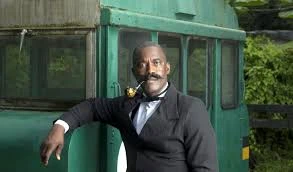
- Often called the “Father of Nigerian Nationalism”
- Born in Lagos to parents who valued education
- Studied in England and became a civil engineer
- Started the first political party in Nigeria, the Nigerian National Democratic Party (NNDP) in 1923
- Used his newspaper, the Lagos Daily News, to criticize British rule
- Fought against unfair land taxes and other bad policies
- Worked to unite different groups of Nigerians
- Helped younger leaders like Nnamdi Azikiwe
- Died in 1946, just before Nigeria gained independence
Alimotu Pelewura (1865-1951)
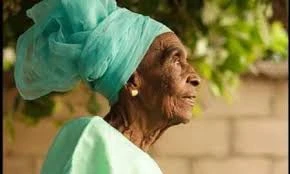
- A powerful woman leader and market woman in Lagos
- Led the Lagos Market Women’s Association
- Organized protests against unfair taxes on market women
- Showed that women were important in the fight for freedom
- Worked with Herbert Macaulay on many protests
- Helped women understand their rights and power
Ernest Ikoli (1893-1960)
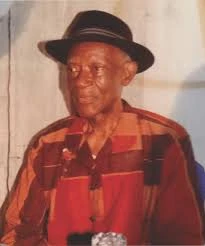
- A newspaper editor and political leader
- Helped start the Nigerian Youth Movement in 1934
- Used his newspaper, The Daily Service, to speak against British rule
- Fought for better education for Nigerians
- Worked to unite people from different parts of Nigeria
J.C. Vaughan (1893-1937)

- Helped start the Nigerian Youth Movement
- Fought against racial discrimination
- Called for Nigerians to have more say in their government
- Worked with other early leaders to build unity
The Middle Generation (1930s-1950s)
Nnamdi Azikiwe (1904-1996)
- Known as “Zik” by many Nigerians
- Studied in the United States
- Founded many newspapers, including the West African Pilot
- His motto was “Show the light and the people will find the way”
- Started the National Council of Nigeria and the Cameroons (NCNC) in 1944
- Used words, not violence, to fight for freedom
- Became the first Governor-General of independent Nigeria
- Later became the first President of Nigeria when it became a republic in 1963
- Known for his powerful speeches and writing
Obafemi Awolowo (1909-1987)
- Born in Ikenne, in what is now Ogun State
- Worked as a teacher, clerk, and taxi driver before becoming a lawyer
- Founded the Action Group political party in 1951
- Wrote books about how Nigeria should be governed
- Believed in free education for all children
- Wanted Nigeria to be a federal country where different regions had some power
- Became the first Premier of the Western Region
- Known for his careful planning and smart ideas
- Introduced free primary education in Western Region
Ahmadu Bello (1910-1966)
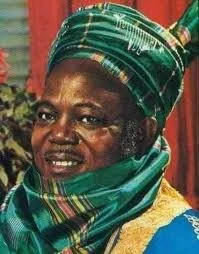
- The Sardauna of Sokoto, a traditional title
- Led the Northern People’s Congress (NPC)
- Represented the interests of Northern Nigeria
- Became the first Premier of Northern Region
- Was careful about independence, wanting to make sure the North was ready
- Worked to improve education in Northern Nigeria
- Helped unite the different peoples of Northern Nigeria
Margaret Ekpo (1914-2006)
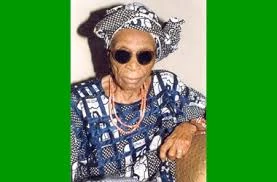
- A women’s rights activist from Calabar
- Formed the Aba Women’s Association
- Organized women to protest against unfair policies
- One of the few women in the Eastern House of Chiefs
- Fought for women to have a voice in politics
- Showed that the independence struggle included women too
Funmilayo Ransome-Kuti (1900-1978)
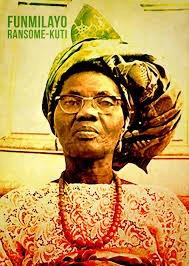
- One of the most important women in the struggle
- Founded the Abeokuta Women’s Union
- Led protests against unfair taxes on women
- Forced the Alake (king) of Egbaland to step down temporarily
- Traveled internationally to speak about Nigeria’s freedom
- Mother of famous musician Fela Kuti
- First Nigerian woman to drive a car
- Fought for women’s voting rights
Aminu Kano (1920-1983)
- A teacher who fought for the rights of common people
- Founded the Northern Elements Progressive Union (NEPU)
- Opposed the traditional ruling system in the North
- Wanted better rights for peasants and workers
- Believed in education for both boys and girls
- Had simple living habits despite being a leader
- Known for his honesty and care for poor people
Michael Imoudu (1902-2005)
- Known as “Labor Leader Number One”
- Organized the first major strike of Nigerian workers in 1945
- Led the Nigerian Railway Workers Union
- Fought for better pay and conditions for workers
- Showed that workers were important in the independence struggle
- Lived a very long life, dying at about 103 years old
H.O. Davies (1905-1989)
- A lawyer who fought for workers’ rights
- One of the founders of the Nigerian Youth Movement
- Advocated for Nigerians to have more control over their economy
- Wrote many articles about Nigerian freedom
- Trained many younger nationalists
Later Nationalists (1950s-1960)
Tafawa Balewa (1912-1966)
- Became the first Prime Minister of independent Nigeria
- Started as a teacher in Northern Nigeria
- Member of the Northern People’s Congress
- Known for his calm leadership and good speaking skills
- Helped negotiate the final steps to independence
- Led Nigeria’s first independent government
- Known as “The Golden Voice of Africa” because of his beautiful speaking voice
Anthony Enahoro (1923-2010)
- The first person to move the motion for Nigeria’s independence in 1953
- A newspaper editor at a very young age
- Member of the Action Group
- Spent time in jail for his political activities
- Continued fighting for democracy long after independence
- Known for his courage and strong principles
Joseph Tarka (1932-1980)
- Represented minority groups in the Middle Belt
- Founded the United Middle Belt Congress
- Fought to protect smaller ethnic groups from domination
- Showed that the independence struggle included all Nigerians, not just the major ethnic groups
- Worked for unity among different peoples
Mbonu Ojike (1914-1956)
- Known for his “boycott all boycottables” campaign
- Encouraged Nigerians to use local products instead of British ones
- Called for pride in African culture and traditions
- Died before independence but inspired many with his ideas
Mokwugo Okoye (1926-1998)
- A radical nationalist who wrote many books
- Spent time in jail for his political activities
- Believed in complete freedom from British influence
- Worked for both political and economic independence
International Supporters
Kwame Nkrumah of Ghana
- Led Ghana to independence in 1957, before Nigeria
- Inspired Nigerian nationalists with his success
- Showed that African countries could be free
- Supported pan-Africanism, the unity of all African countries
George Padmore
- A writer from Trinidad who supported African independence
- Advised many African leaders, including Nigerians
- Wrote books and articles supporting freedom for African countries
- Helped connect Nigerian nationalists with international supporters
How They Worked Together
Forming Political Parties
- NNDP (Nigerian National Democratic Party) – led by Herbert Macaulay
- NYC (Nigerian Youth Movement) – included Ernest Ikoli and H.O. Davies
- NCNC (National Council of Nigeria and the Cameroons) – led by Nnamdi Azikiwe
- AG (Action Group) – led by Obafemi Awolowo
- NPC (Northern People’s Congress) – led by Ahmadu Bello
- NEPU (Northern Elements Progressive Union) – led by Aminu Kano
- These parties helped organize the people and put pressure on the British
Using Newspapers
Many leaders started newspapers to spread their ideas:
- Lagos Daily News (Herbert Macaulay)
- West African Pilot (Nnamdi Azikiwe)
- Daily Service (Ernest Ikoli)
- Tribune (Obafemi Awolowo) Through these papers, they taught Nigerians about freedom and rights.
Working with Labor Unions
- Michael Imoudu organized workers to go on strike
- These strikes showed the British that Nigerians were serious
- Workers’ protests helped pressure the British to leave
Constitutional Conferences
- Leaders like Azikiwe, Awolowo, and Balewa attended meetings in London
- They negotiated with the British about independence
- They had to agree on how Nigeria would be governed after the British left
Challenges They Faced
Internal Differences
- Leaders sometimes disagreed about how Nigeria should be governed
- Some wanted a strong central government (like Azikiwe)
- Others wanted strong regions (like Awolowo)
- Northern leaders like Ahmadu Bello were concerned about too much southern influence
British Resistance
- The British did not want to give up power easily
- Some leaders were arrested or their newspapers shut down
- The British tried to divide Nigerians by region and ethnicity
Limited Resources
- Nigerian nationalists did not have a lot of money
- They had to use creativity and determination
- Many sacrificed their personal comfort for the struggle
Their Legacy
A Free Nigeria
- The greatest achievement was Nigeria’s independence on October 1, 1960
- The dream they fought for became reality
- The British flag came down, and the Nigerian flag went up
Educational Institutions
- Many leaders founded schools and colleges
- Awolowo introduced free primary education in Western Region
- Ahmadu Bello helped establish Northern universities
Political System
- They created Nigeria’s political structures
- They set up the federal system still used today
- They established the tradition of civilian government
Conclusion
The people who fought for Nigeria’s independence came from all parts of the country. They included men and women, northerners and southerners, Muslims and Christians. Some were radical, others more moderate. They used different methods – newspapers, political parties, protests, and negotiations. They didn’t always agree with each other, but they all wanted Nigeria to be free.
These brave people sacrificed much for Nigeria’s freedom. Some spent time in jail. Others gave up comfortable lives. A few, like Herbert Macaulay, died before seeing their dream come true. But because of their hard work and sacrifice, Nigeria became an independent country on October 1, 1960.
This term's Nigerian History topics
JSS3 Third Term · 10 topics
- The Amalgamation of Nigeria
- The Amalgamation Process
- Key Personalities and Their Roles in the Amalgamation of Nigerian Territories
- The Independence Movement
- Factors That Led to the Independence Movement
- The Nature of Nigerian Nationalism: The Struggle for Independence
- The Attainment of Independence
- The Berlin Treaty (Continuation of the Evolution of the Nigerian State)
- The Role of the Royal Niger Company in the Evolution of the Nigerian State
- People Involved in the Struggle for Nigerian Independence
Third Term Nigerian History Lesson Notes for Other Topics
History Of Lagos State III - Division of Lagos State
Explore lesson notes covering all topics.
History Of Lagos State IV - Governors of Lagos State Since Creation
Explore lesson notes covering all topics.
Major Title -Holders In The State: Idejo Chief, White Cap Chief
Explore lesson notes covering all topics.
History Of Lagos State II
Explore lesson notes covering all topics.
History Of Lagos State
Explore lesson notes covering all topics.

Adjective And Adverb Puzzles
Explore lesson notes covering all topics.

Nigerian Independence Republic And Federation
Explore lesson notes covering all topics.
Christianity In Nigeria
Explore lesson notes covering all topics.
Traditional Occupations In The Locality-Lagos State
Explore lesson notes covering all topics.
Traditional Occupations Of Nigerian People Northern Nigeria
Explore lesson notes covering all topics.

Traditional Religion In Nigeria
Explore lesson notes covering all topics.
Islam In Nigeria
Explore lesson notes covering all topics.
Traditional Occupations Of Nigerian People Southern Nigeria
Explore lesson notes covering all topics.

Nigerian Independence
Explore lesson notes covering all topics.
Heroes in Nigeria Environment
Explore lesson notes covering all topics.
Lesson Notes for Other Classes

Basic 1 Lesson Note
The complete lesson note to guide your studies.

Basic 2 Lesson Note
The complete lesson note to guide your studies.

Basic 3 Lesson Note
The complete lesson note to guide your studies.

Basic 4 Lesson Note
The complete lesson note to guide your studies.

Basic 5 Lesson Note
The complete lesson note to guide your studies.

Basic 6 Lesson Note
The complete lesson note to guide your studies.