
Mosaics – JSS1 Cultural & Creative Arts Lesson Note (Second Term)
Download this term · ₦1,000Lesson note at a glance
- Subject
- Cultural & Creative Arts
- Class
- JSS1
- Term
- Second Term
- Topic
- Mosaics
- Order
- Topic 6 of 7 this term
- Reading time
- 12 min
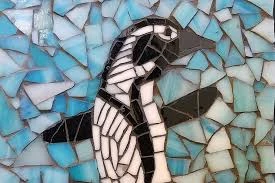
A mosaic is a picture or pattern made by arranging small coloured pieces of hard material, such as stone, tile or glass.
- Tesserae: the individual pieces used to make a mosaic (one piece is a tessera).
- Durability: mosaics last a long time, and some have survived for thousands of years.
- Where found: temples, public spaces, homes and gardens.
Behavioural objectives
By the end of the lesson, students should be able to:
- define a mosaic and name the pieces used to make one;
- state where mosaic art began and name some cultures that developed it;
- list the main types of mosaics, the essential materials and the basic tools;
- describe the steps of the direct and indirect methods;
- state the safety rules for making mosaics;
- name some African mosaic elements and some sustainable mosaic practices.
What is the history of mosaics?
Mosaic art began in ancient Mesopotamia more than 5,000 years ago and spread through many cultures.
- Word origin: “mosaic” comes from the Greek word “mouseios”, meaning “belonging to the Muses”.
- Mesopotamia: craftsmen decorated columns with small pieces of coloured stone and shell.
- Greek and Roman: the technique spread through the ancient world and reached a high standard.
- Byzantine: artists covered church walls and ceilings with gold and coloured glass tesserae.
- Islamic: artists made geometric mosaic patterns for mosques and palaces.
- Pre-Columbian: civilisations of the Americas made mosaics from turquoise, jade and shells.
What are the types of mosaics?
Mosaics are grouped in three ways: by the material used, by the technique used and by style.
What are the types of mosaics by material?
| Type | Description |
|---|---|
| Stone | Made from marble, granite or slate, with natural earth colours. |
| Glass | Made from smalti or vitreous glass, with bright colours that reflect light. |
| Ceramic tile | Made from cut or broken tiles. |
| Pebble | Made from small natural stones, often used in gardens and paths. |
| Shell | Made from sea shells, such as cowries. |
| Mirror | Made from small pieces of mirror that sparkle. |
| Mixed media | Combines two or more materials in one work. |
| Paper | Made from cut paper, used for practice in class. |
| Sand | Made by arranging sand to form patterns. |
| Found object | Made from everyday objects such as buttons or bottle tops. |
What are the types of mosaics by technique?
| Technique | Description |
|---|---|
| Direct method | Pieces are applied directly to the final surface. |
| Indirect method | Pieces are arranged face-down on temporary paper, then moved to the final surface. |
| Double indirect method | Pieces are arranged face-up on a temporary surface. |
| Prefabricated sections | Panels are made in a workshop and fixed in place later. |
| Mesh-mounted | Pieces are stuck on a mesh sheet that is then fixed to the surface. |
| Pique assiette | Broken pottery and plates are used as tesserae. |
| Micro mosaic | Extremely small pieces are used to make very fine detail. |
What are the types of mosaics by style?
| Style | Description |
|---|---|
| Classical Roman | Follows the Roman tradition of decorating floors and walls with pictures. |
| Byzantine religious | Shows religious figures against gold backgrounds. |
| Islamic geometric | Uses repeating geometric patterns. |
| Modern abstract | Uses shapes and colours that do not copy real objects. |
| Photorealistic | Uses very small pieces to copy a photograph. |
| Impressionistic | Uses patches of colour to suggest a scene. |
| Pop art | Uses bold colours and popular everyday images. |
| Tribal and ethnic | Uses patterns and symbols from a people’s own culture. |
What materials and tools are needed for mosaics?
Mosaics need tesserae, adhesive and grout, together with tools for cutting, placing and cleaning the pieces.
- Glass tesserae: give brilliant colours and reflect light.
- Natural stone tesserae: give soft earth tones and last a long time.
- Material choice: each material affects colour, texture, reflectivity and durability.
What are the essential materials?
- Tesserae: the mosaic pieces.
- Adhesive: tile adhesive, thin-set mortar or glue that holds the pieces.
- Grout: fills the gaps between pieces, either sanded or unsanded.
- Grout sealer: protects the grout after it dries.
- Base surface: the surface to be covered, such as wood, concrete, metal or glass.
- Release agents: stop materials sticking where they should not.
- Mounting paper: temporary backing used in the indirect method.
- Mesh backing: a mesh sheet that holds pieces together for fixing in sections.
- Protective sealants: protect the finished work from water and wear.
What are the basic tools?
- Tile nippers: cut tiles and tesserae, either wheeled or traditional.
- Glass cutters: cut glass pieces.
- Hammer and hardie: cut stone and smalti by hand.
- Safety glasses, dust mask and gloves: protect the eyes, lungs and hands.
- Mixing containers: hold adhesive and grout while mixing.
- Palette knives: spread adhesive.
- Tweezers: place small pieces exactly.
- Grout float: pushes grout into the gaps.
- Sponges and clean cloths: wipe away extra adhesive and grout.
- Level and measuring tools: keep the work straight and to size.
What is the traditional African mosaic heritage?
African cultures have long traditions of mosaic-like decoration, though these are often left out of mainstream art history.
- Nigerian palaces: decorations were made with cowrie shells, pottery shards and coloured stones.
- Yoruba beadwork: beaded surfaces on crowns and ceremonial objects look like mosaics.
- Contemporary artists: they join traditional motifs with modern mosaic techniques.
What are the African mosaic elements?
- Cowrie shell patterns: shells arranged in repeated designs.
- Textile designs: geometric designs taken from woven cloth.
- Animal symbols: animals that stand for ideas such as strength.
- Ancestral figures: motifs that honour ancestors.
- Nature patterns: designs from plants, water and the sky.
- Tribal markings: patterns taken from facial marks and scarification.
- Colour symbolism: colours with traditional meanings.
- Rhythmic arrangements: patterns repeated in a steady beat.
How do you design a mosaic?
Designing a mosaic means planning the idea, size, colours and materials before any piece is fixed.
- Things to consider: final location, viewing distance, lighting and the effect wanted.
- Cartoon: a full-size drawing of the design.
- Good design: works both close up and from far away.
What are the design steps?
- Develop the concept and theme.
- Research reference materials.
- Create preliminary sketches.
- Determine the size and scale.
- Choose the colour palette.
- Select the materials and work out the quantities needed.
- Draw the full-size cartoon.
- Transfer the design to the base.
- Plan the laying sequence.
- Prepare the workspace.
What is the direct method?
The direct method is making a mosaic by fixing tesserae straight onto the final surface.
- Working order: from the bottom up or from the centre outward.
- Advantage: the artist sees the work grow and can make changes.
- Best for: three-dimensional surfaces, outdoor work and pieces of varied thickness.
What are the steps of the direct method?
- Prepare and clean the base surface.
- Apply primer if necessary.
- Transfer the design outline.
- Mix the adhesive to the proper consistency.
- Apply adhesive to a small section.
- Place the tesserae one by one.
- Press each piece firmly into the adhesive.
- Keep the spacing even.
- Check the level often.
- Clean off extra adhesive at once.
- Allow the adhesive to cure.
- Apply grout.
- Clean and polish.
What is the indirect method?
The indirect method is making the mosaic face-down on temporary paper, then moving the finished section to its permanent place.
- Advantage: gives a flat, smooth surface.
- Comfort: the artist works at a table, not on a wall.
- Best for: professional installations where precision and flatness matter.
What are the steps of the indirect method?
- Draw the design in reverse on kraft paper.
- Apply temporary adhesive to the paper.
- Place the tesserae face-down.
- Complete the whole design.
- Prepare the permanent surface.
- Apply the setting bed adhesive.
- Flip the mosaic section and position it.
- Press it evenly into the adhesive.
- Remove the backing paper.
- Adjust individual pieces.
- Grout when the adhesive has cured.
What is the difference between the direct and indirect methods?
| Point | Direct method | Indirect method |
|---|---|---|
| Where pieces are first placed | On the final surface | Face-down on temporary paper |
| Design on paper | Outline only, transferred to the base | Reversed design |
| Surface result | May be uneven | Flat and smooth |
| Best for | Curved surfaces and outdoor work | Flat professional installations |
How does colour work in mosaics?
Colour is central to a mosaic because small units of colour combine to make larger visual effects.
- Optical mixing: the viewer’s eyes blend nearby colours into new hues and values.
- Andamento: the directional flow of tesserae, which guides the eye and creates movement.
What colour points must an artist consider?
- Value contrast: light and dark differences that make the picture readable.
- Colour harmony: colours chosen to suit each other.
- Grout colour: affects the whole composition.
- Light reflection: glass and mirror reflect more light than stone.
- Colour symbolism: colours carry meanings in different cultures.
- Colour stability: some materials fade over time.
- Viewing distance: colours blend more when seen from far away.
How do you grout a mosaic?
Grouting is filling the spaces between tesserae to join the design together and make it strong.
- Dark grout: makes each piece stand out.
- Light grout: gives a more unified look.
- Needs: good timing, the right consistency and careful cleaning.
What are the steps of grouting?
- Mix the grout to the proper consistency.
- Apply it with a grout float.
- Work it into all the spaces.
- Remove the excess at once.
- Wait for the first set, when a haze forms.
- Clean with a damp sponge.
- Rinse the sponge often.
- Buff away the haze.
- Apply grout sealer.
- Polish the surface.
Where are mosaics used today?
Mosaics are used today in public art, buildings, gardens and fine art.
- Public murals and monuments: large works in open spaces.
- Garden stepping stones: paths and decorations for gardens.
- Swimming pools: designs on pool floors and walls.
- Kitchens and bathrooms: backsplashes and bathroom features.
- Sculpture and furniture: surfaces decorated with tesserae.
- Jewellery and wearables: small mosaic pieces worn on the body.
- Corporate installations: artworks in offices and company buildings.
- Community art projects: groups making one work together.
- Unusual materials: recycled glass, computer components, plastic bottles and found objects.
How are old mosaics restored and conserved?
Conservation is the careful work of protecting and repairing old mosaics so that they last.
- Photographic documentation: photographs record the mosaic before work starts.
- Condition assessment: the damage is checked and recorded.
- Cleaning: dirt and biological growth are removed with careful methods.
- Adhesive consolidation: loose tesserae are fixed back.
- Structural stabilisation: damaged structure is repaired.
- Replacement ethics: rules on when and how missing pieces may be replaced.
- Environmental protection: surfaces are protected from future damage.
- Preventive maintenance: regular care stops new damage.
What is the educational value of mosaics?
Making mosaics teaches skills and ideas from art, mathematics, history and science.
- Mathematics: geometric patterns, measurement and calculation.
- History: recreating ancient designs and studying cultural traditions.
- Science: material properties, adhesion and weathering.
- Art: design principles, colour theory and technical skills.
- Life skills: pattern recognition, spatial reasoning, fine motor skills and team work.
- Personal skills: problem-solving, planning and organisation, cultural appreciation and creative expression.
What safety rules apply when making mosaics?
Safety rules protect students from cuts, dust and other hazards when they cut and fix mosaic materials.
- Sharp edges: cut materials can cause cuts.
- Dust: dust from cutting or grinding can affect breathing.
What safety equipment is used?
- Safety glasses or goggles: protect the eyes from flying chips.
- Dust masks: stop dust entering the lungs.
- Work gloves: protect the hands from sharp edges.
- Closed-toe shoes: protect the feet from dropped pieces.
- Aprons or protective clothing: protect the body and clothes.
- First aid supplies and eye wash station: for quick treatment of injuries.
- Proper ventilation: keeps the air fresh while working.
- Tool guards and non-slip work surfaces: prevent tool and slipping accidents.
What are the safety rules?
- Learn the safety procedures before handling tools and materials.
- Wear goggles, mask and gloves when cutting.
- Work only in a well-ventilated space.
- Keep the work surface steady and not slippery.
- Report any injury to the teacher at once.
What is cultural symbolism in mosaics?
Cultural symbolism is the use of images, colours and patterns in mosaics to carry cultural or religious meaning.
- Byzantine gold backgrounds: stand for divine light.
- Islamic geometric patterns: reflect beliefs about divine perfection and infinity.
- Other symbolic elements: religious images, natural symbols, colour meanings, numbers, directions and choice of material.
- Value: understanding symbols improves both making and appreciating mosaics.
How can mosaic-making protect the environment?
Mosaic-making protects the environment when artists reuse waste materials and choose safe products.
- Recycled materials: broken pottery, discarded tiles, beach glass and other reclaimed items.
- Non-toxic adhesives: reduce exposure to harmful substances.
- Water-based sealers: are safer to use.
- Local material sourcing: uses materials found nearby.
- Waste minimisation: uses small offcuts instead of throwing them away.
- Energy-efficient techniques: use less energy.
- Biodegradable cleaners: break down safely after use.
- Responsible disposal: sharp and chemical waste is thrown away safely.
How is mosaic-making used as therapy?
Mosaic-making is used in art therapy because placing small pieces calms the mind and helps people express feelings.
- Stress reduction: the repeated action of placing pieces promotes mindfulness.
- Emotional expression: breaking materials is a safe way to release emotion.
- Healing: making beauty from fragments stands for healing and change.
- Other benefits: better focus, fine motor development, social contact, a sense of achievement and higher self-esteem.
- Who it helps: trauma survivors, elderly patients and people with disabilities.
How are mosaics used by Nigerian artists today?
Nigerian artists use mosaic techniques to join traditional African designs with modern ideas.
- Skill levels: beginners make simple designs, while experienced artists make large installations.
- Reuse: recycled materials give creative work that is also environmentally friendly.
- Uses: preserving cultural heritage, beautifying public spaces and personal creative work.
- Life skills: mosaics teach patience and precision.
Evaluation
- What is a mosaic, and what are the individual pieces called?
- Name three types of mosaic according to the material used.
- State the main difference between the direct method and the indirect method.
- List five items of safety equipment used when making mosaics.
- Name three recycled materials that artists can use for mosaics.
Assignment
Write out the steps of the direct method in the correct order. Then name two African mosaic elements that you could use in a design of your own.
This term's Cultural & Creative Arts topics
JSS1 Second Term · 7 topics
Get Cultural & Creative Arts (CCA) as PDF and Word
Every week of JSS1 Cultural & Creative Arts (CCA), Second Term, formatted and ready to print. Ad-free, and the copy lock comes off.
Get this term Card, bank transfer, USSD or OPay
JSS1 Cultural & Creative Arts (CCA) Lesson Notes for Other Topics

Introduction To Local Craft
Read the full lesson note.

Introduction To Tie And Dye
Read the full lesson note.

Modeling: Production Of Models With Paper
Read the full lesson note.

Production Of Beads
Read the full lesson note.

Production Of Collage Using Paper
Read the full lesson note.

Making Of Models With Paper Folding Technique
Read the full lesson note.
Introduction To Cultural & Creative Art
Read the full lesson note.

Introduction To Art
Read the full lesson note.
Theme Work And Sense Of Belonging
Read the full lesson note.

Principles And Elements Of Art And Design
Read the full lesson note.

Drama And Theatre
Read the full lesson note.

Modelling With Paper Mache
Read the full lesson note.

Dance
Read the full lesson note.
Forms And Types Of Dance
Read the full lesson note.

Theory Of Music
Read the full lesson note.
Lesson Notes for Other Classes

JSS2 Lesson Note
The complete lesson note to guide your studies.

JSS3 Lesson Note
The complete lesson note to guide your studies.
