
Classification of Musical Instruments And Sounds They Produce Basic 5 Cultural & Creative Arts (CCA) Lesson Note
Download Lesson NoteTopic: Classification of Musical Instruments And Sounds They Produce

Learning Objectives By the end of the lesson, pupils should be able to:
- By the end of the lesson pupils should be able to
- Identify traditional musical instruments in their culture
- Determine the place of traditional musical instruments in their culture
- Sing play and notate they value of traditional musical instruments in their culture
Learning Activities
- Pupils in mixed groups, discuss and pick a local traditional musical instrument of their culture.
- Pupils in groups choose a local traditional musical instrument and demonstrate how the musical instrument can be played with sound effects.
- Individual pupils, draw/copy or describe how traditional musical instrument is played.
Embedded Core Skills
- Critical thinking and problem solving
- Communication and collaboration
- Leadership skills and Personal development
- Creativity and imagination
This will placement as “content”
Audio Visual Resource
- Pictures of local musical instruments and native and local musical culture of traditional instruments in cities
Content
NIGERIAN MUSICAL INSTRUMENTS AND SOUND THEY PRODUCE
Nigeria is a country known to West Africa and it has a rich musical culture that includes various traditional instruments, each with unique acoustics if Nigerian musical instruments play important role in preserving cultural heritage.
How Traditional Musical Instruments be played and the sounds they produce
Traditional Musical Instruments in Nigeria Culture
Nigeria is a country rich in cultural diversity, and this diversity is reflected in its traditional musical instruments.
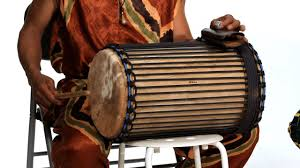
- Talking Drum:

This talking drum is a percussion instrument that is shaped like an hourglass. It is played by hitting the animal skin covering the two of the drum.
Traditional Musical Instruments in Nigeria Culture
Nigeria is a country rich in cultural diversity, and this diversity is reflected in its traditional musical instruments. Here are some key traditional musical instruments found in Nigeria:
- Talking Drum: The talking drum is a percussion instrument that is shaped like an hourglass. It is covered with animal skin and produces various tones by placing pressure on the strings that connect the two drum heads. The drum can produce tones that mimic the speech patterns of the Yoruba culture.
- Dundun: The dundun is an set of drums that functions along with the talking. These pitched drums are often used in Yoruba festivals and royal ceremonies.
- Agogo: The agogo is a percussion instrument that consists of one or two small bells that are attached to a handle or stick. It is commonly used along with other percussion instruments such as the drums to create dynamic rhythms in Nigerian music.

- Oja: The oja is a wooden flute that is played by being the air through holes. It is traditionally used by Yoruba people and produces single notes to form simple melodies.

- Ekwe: The ekwe is a wooden slit drum that is used in Igbo culture. It is made by hollowing out a log and cutting slits into it to create different pitches. It is usually used to broadcast messages to the community from one village to another.

- Iqungu Drum: The iqungu drum of Northern Nigeria has a variety of drums, including iron drums, calabash drums, and water pots. It is mostly used in Hausa culture and produces a deep beating sound.
- Ogene: The ogene is a metal gong that is commonly found in Igbo land. It produces a metallic sound when it is struck with a wooden stick, and it produces a bright, metallic sound.
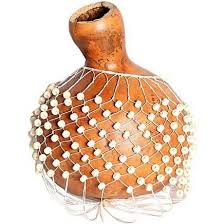
- Sekere: The sekere is a type of gourd, beaded musical that are played with the hands. They produce a rattling or shaking sound when they are shaken. The shekere of the Yoruba of Southwestern Nigeria typically has a net of beads that covers the gourd. It is usually played during ceremonies and other cultural events.
- Uhip-oka: The uhip-oka is often accompanies singing. It is a flute that produces wind sound. It is played by covering the holes with a wooden stick, and it produces a bright, metallic sound.
- Thumb Piano (Mbira): The thumb piano, also known as mbira is a traditional musical instrument that consists of metal keys attached to a wooden board. The player uses their thumbs to pluck the keys and it produces a deep, resonant sound that is often used in cultural and religious ceremonies.

Benefits of learning about traditional musical instruments:
- Cultural Preservation: Learning about the various traditional musical music, beginning from ancient traditions helps in learning and valuing the ancestral culture.
- Music and heritage: The understanding of traditional instruments can help develop the musical skills of the learners and create awareness.
- UNITY: Learning about traditional musical instruments from different cultures helps in building unity in the country.
These are other used in traditional ceremonies and festivals. They produce a wide range of sounds and are highly culturally and emotionally significant since they are part of the cultural practices.
Third Term Cultural & Creative Arts (CCA) Lesson Notes for Other Topics

Creating a Drama Sketch from a Story
Explore lesson notes covering all topics.

Types of Lines and Uses of Lines
Explore lesson notes covering all topics.

Musical Notes
Explore lesson notes covering all topics.
Musical Notes - Values and Rest Signs
Explore lesson notes covering all topics.
Drawing
Explore lesson notes covering all topics.

Methods of Moulding Objects
Explore lesson notes covering all topics.
Introduction to Recorder Playing
Explore lesson notes covering all topics.

Fashion Accessories - Singing Songs About Wearing Clothes
Explore lesson notes covering all topics.
Definition of Music
Explore lesson notes covering all topics.

Mode of Greeting
Explore lesson notes covering all topics.

Element of Design
Explore lesson notes covering all topics.

Definition of Drama and Theatre
Explore lesson notes covering all topics.

Definition of Dance
Explore lesson notes covering all topics.

Impersonation
Explore lesson notes covering all topics.

Melodic Patterns Of Traditional Song
Explore lesson notes covering all topics.
Lesson Notes for Other Classes
Basic 1 Lesson Note
The complete lesson note to guide your studies.

Basic 2 Lesson Note
The complete lesson note to guide your studies.
Basic 3 Lesson Note
The complete lesson note to guide your studies.

Basic 4 Lesson Note
The complete lesson note to guide your studies.
Basic 6 Lesson Note
The complete lesson note to guide your studies.

JSS1 Lesson Note
The complete lesson note to guide your studies.