
Meaning and Objectives of Traditional Apprenticeship System – Basic 5 Cultural & Creative Arts Lesson Note (First Term)
Download this term · ₦1,000Lesson note at a glance
- Subject
- Cultural & Creative Arts
- Class
- Basic 5
- Term
- First Term
- Topic
- Meaning and Objectives of Traditional Apprenticeship System
- Order
- Topic 4 of 7 this term
- Reading time
- 2 min

Behavioural Objectives:
By the end of the lesson, pupils should be able to:
- Describe the apprenticeship system.
- Identify the objectives of the apprenticeship system in their environment.
- Survey and list trades where the apprenticeship system is used in their community.
Keywords: Apprenticeship, Objectives, Traditional, Trades, Environment, System
Set Induction:
- Show images or short videos of traditional apprentices working in various trades to introduce the concept of apprenticeship.
Entry Behaviour:
- Pupils should have some knowledge of different types of work and trades in their community.
Learning Materials:
- Images or videos of apprentices in different trades, charts showing apprenticeship systems, and local trade examples.
Instructional Materials:
- Projector or screen (if available), printed materials with information on traditional apprenticeship systems.
Building Background / Connection to Prior Knowledge:
- Discuss previous lessons on vocational skills and how different trades contribute to the community, linking them to the concept of apprenticeship.
Embedded Core Skills:
- Observation, description, critical thinking, and surveying skills.
Reference Books:
- Lagos State Scheme of Work for Primary 5 Cultural and Creative Arts.
Content:
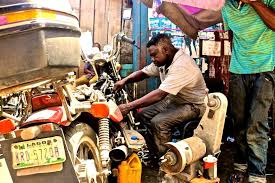
- Description of the Apprenticeship System:
- Definition: A system where an individual (apprentice) learns a trade from a more experienced worker (master) over a specific period.
- Process: The apprentice works under the master, learning the trade through hands-on experience and guidance.
- Duration: Varies depending on the trade and skill level being learned.
- Skills Acquired: Practical skills and knowledge related to a specific trade or craft.
- Examples: Blacksmithing, tailoring, carpentry, and masonry.
- Objectives of the Apprenticeship System:
- Skill Development: To provide individuals with practical skills needed for specific trades.
- Employment Creation: To create job opportunities and promote self-employment among youths.
- Knowledge Transfer: To ensure that traditional skills and knowledge are passed down through generations.
- Economic Growth: To contribute to the local economy by developing skilled workers who can start their own businesses.
- Community Support: To support and strengthen community ties through local trades and businesses.
- Survey of Trades with Apprenticeship System in Their Environment: • Examples of Trades:
Tailoring and fashion design
Carpentry and joinery
Blacksmithing
Plumbing
Electrical work
- Activities: Pupils survey their local community to identify trades where the apprenticeship system is practiced.
Evaluation (Fill-in-the-Blank Questions):
- An apprenticeship system involves a(n) ________ learning a trade from a more experienced worker. a) Student b) Apprentice c) Teacher d) Supervisor
- One objective of the apprenticeship system is to provide ________ for specific trades. a) Entertainment b) Education c) Skill Development d) Competition
- In the apprenticeship system, the ________ is the experienced worker who trains the apprentice. a) Apprentice b) Supervisor c) Master d) Client
- The apprenticeship system helps in creating ________ opportunities for youths. a) Academic b) Recreational c) Employment d) Social
- One of the objectives of the apprenticeship system is to contribute to ________ growth. a) Social b) Political c) Economic d) Cultural
- The apprenticeship system ensures that ________ skills are passed down through generations. a) Modern b) Technical c) Traditional d) Scientific
This term's Cultural & Creative Arts topics
Basic 5 First Term · 7 topics
- Creating Music with Solfa Notation
- Card Making and Decoration
- Song/Music with Nigerian Identity
- Meaning and Objectives of Traditional Apprenticeship System
- Imaginative and Creative Drawing
- Rhythmic Pattern
- Role Play
Get Cultural & Creative Arts (CCA) as PDF and Word
Every week of Basic 5 Cultural & Creative Arts (CCA), First Term, formatted and ready to print. Ad-free, and the copy lock comes off.
Get this term Card, bank transfer, USSD or OPay
Basic 5 Cultural & Creative Arts (CCA) Lesson Notes for Other Topics

Creating Music With Solfa Notation
Read the full lesson note.
Card Making And Decoration
Read the full lesson note.
Song/Music With Nigerian Identity
Read the full lesson note.

Imaginative And Creative Drawing
Read the full lesson note.
Rhythmic Pattern
Read the full lesson note.

Role Play
Read the full lesson note.

Introduction To Weaving Using Paper
Read the full lesson note.
Mosaic
Read the full lesson note.

Music Notes And Their Values
Read the full lesson note.

Creating Music Solfa Notation
Read the full lesson note.

Creating A Play With The Theme Of Honesty/ Integrity/ Right Attitude To Work
Read the full lesson note.
Dance Motif
Read the full lesson note.

Acting
Read the full lesson note.
Impersonation
Read the full lesson note.
Developing Character In A Play
Read the full lesson note.
Lesson Notes for Other Classes
Basic 1 Lesson Note
The complete lesson note to guide your studies.
Basic 2 Lesson Note
The complete lesson note to guide your studies.

Basic 3 Lesson Note
The complete lesson note to guide your studies.
Basic 4 Lesson Note
The complete lesson note to guide your studies.

Basic 6 Lesson Note
The complete lesson note to guide your studies.
