Uses and Care for Simple Tools – Basic 4 Home Economics Lesson Note (Second Term)
Download Lesson NoteLesson note at a glance
- Subject
- Home Economics
- Class
- Basic 4
- Term
- Second Term
- Topic
- Uses and Care for Simple Tools
- Order
- Topic 8 of 9 this term
- Reading time
- 5 min
What are Simple Tools?
Simple tools are basic equipment that help us do work more easily. They make tasks faster, safer, and more efficient.
Types of Simple Tools
- Cutting Tools
Scissors:
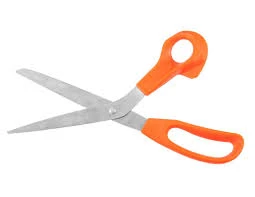
- Uses: Cutting paper, fabric, string, hair (by adults)
- Parts: Two sharp blades, handles, pivot point
- Safety: Always cut away from body, walk with closed scissors
- Care: Keep blades clean, store in safe place, oil pivot if needed
Knife (Adult Use Only):
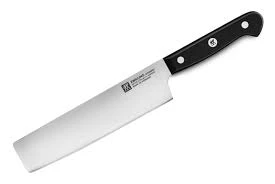
- Uses: Cutting food, opening packages (adults only)
- Safety: Children should never handle sharp knives
- Care: Keep sharp and clean, store safely away from children
- Fastening Tools
Hammer:

- Uses: Hitting nails into wood, breaking things apart
- Parts: Heavy metal head, wooden or plastic handle
- Safety: Adult supervision required, watch fingers
- Care: Keep head clean, check handle is secure
Screwdriver:
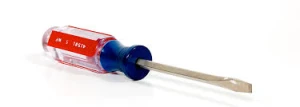
- Uses: Turning screws in or out, opening battery compartments
- Types: Flat head, Phillips (cross) head
- Safety: Don’t use as chisel, point away from body
- Care: Keep tips clean and sharp, store properly
- Measuring Tools
Ruler:
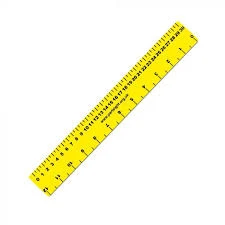
- Uses: Measuring length, drawing straight lines, checking sizes
- Types: 12-inch, 18-inch, metric, imperial
- Care: Keep straight and clean, don’t bend or drop
- Storage: Lay flat or hang up safely
Measuring Tape:
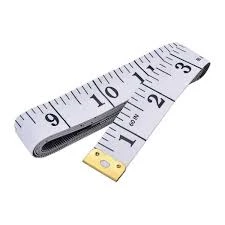
- Uses: Measuring longer distances, curved objects, body measurements
- Care: Don’t let tape snap back quickly, keep clean
- Storage: Wind up properly after use
- Gripping Tools
Pliers:
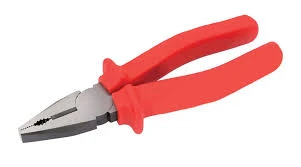
- Uses: Gripping small objects, bending wire, pulling nails
- Safety: Adult supervision needed, can pinch fingers
- Care: Keep joints oiled, wipe clean after use
Tongs:
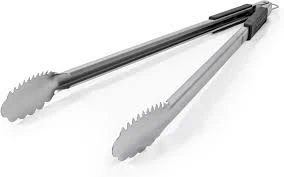
- Uses: Picking up hot objects, food handling, grabbing items
- Safety: Good for hot objects children can’t touch
- Care: Wash after food use, store safely
- Cleaning Tools
Broom:
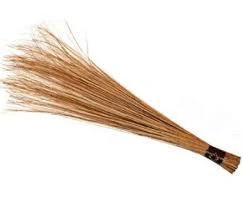
- Uses: Sweeping floors, cleaning outdoor areas
- Parts: Bristles, handle
- Care: Shake out dust, store bristles down or hang up
- Maintenance: Replace when bristles wear out
Dustpan:
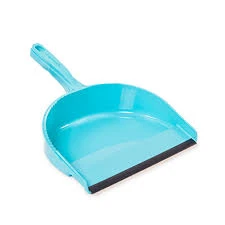
- Uses: Collecting swept dirt and debris
- Care: Empty after use, wash if needed
- Storage: Hang with broom or store flat
- Garden Tools
Hand Trowel:
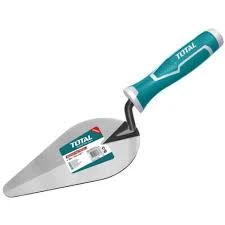
- Uses: Digging small holes, planting, weeding
- Care: Clean off dirt, dry to prevent rust
- Storage: Hang up or store in dry place
Watering Can:
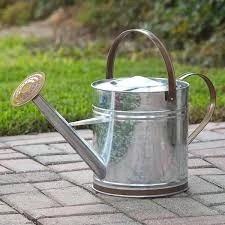
- Uses: Watering plants gently and precisely
- Care: Empty when not in use, clean spout if clogged
- Storage: Store upside down to drain completely
General Care Rules for All Tools
- Cleaning
- After each use: Clean off dirt, food, or debris
- Use appropriate cleaner: Water for most, oil for metal parts
- Dry thoroughly: Prevent rust and damage
- Check for damage: Look for cracks, loose parts, wear
- Storage
- Designated place: Each tool has its own storage spot
- Dry location: Away from moisture and humidity
- Safe storage: Away from small children and pets
- Organized system: Easy to find when needed
- Maintenance
- Regular inspection: Check for wear, damage, looseness
- Oil moving parts: Keep hinges and joints working smoothly
- Sharpen when needed: Keep cutting tools effective
- Replace worn parts: Handles, blades, tips as needed
- Safety During Use
- Right tool for job: Don’t use tools for wrong purposes
- Adult supervision: For any potentially dangerous tools
- Proper technique: Learn correct way to use each tool
- Focus and attention: Don’t rush or get distracted
Safety Rules for Simple Tools
General Safety:
- Adult supervision for any sharp or potentially dangerous tools
- Proper training before using any new tool
- Focus on task – don’t rush or get distracted
- Clean workspace – keep area organized and safe
Cutting Tool Safety:
- Cut away from body and fingers
- Use cutting board or safe surface
- Store safely when not in use
- Never run while carrying cutting tools
Tool Handling:
- Carry properly – points down, walking pace
- Pass safely – handle first to other person
- Work at proper height – comfortable position
- Take breaks if hands get tired
Benefits of Using Tools Properly
- Efficiency
- Work gets done faster with right tools
- Less effort required than using hands alone
- Better results than improvised methods
- Time saving for other activities
- Safety
- Reduces injury risk when used properly
- Protects hands from cuts and strain
- Makes dangerous tasks safer to complete
- Prevents accidents through proper technique
- Quality
- Better finished work with proper tools
- More precise results than hand work
- Professional appearance in completed tasks
- Longer lasting results with quality tools
- Learning
- Develops motor skills and hand-eye coordination
- Builds confidence in completing tasks
- Teaches responsibility for equipment care
- Prepares for more advanced tool use
Common Mistakes to Avoid
Using Tools Incorrectly:
- Using screwdriver as chisel – damages tool and work
- Cutting with dull blade – dangerous and ineffective
- Wrong size tool – doesn’t work properly
- Forcing tools – can break tool or cause injury
Poor Storage:
- Leaving tools out – leads to damage and loss
- Storing wet tools – causes rust and deterioration
- Jumbled storage – damages tools and makes finding difficult
- Unsafe storage – creates hazards for others
Neglecting Maintenance:
- Never cleaning tools – buildup affects performance
- Ignoring damage – small problems become big ones
- Not replacing worn parts – tools become unsafe
- Skipping regular checks – miss problems early
Tool Care Schedule
After Each Use:
- Clean tool thoroughly
- Dry completely if wet
- Check for damage or problems
- Return to proper storage location
Weekly:
- Deep clean frequently used tools
- Oil moving parts as needed
- Check tool storage area for organization
- Inventory tools to ensure none missing
Monthly:
- Inspect all tools for wear and damage
- Sharpen blades that need it
- Tighten loose parts like handles
- Replace damaged tools that can’t be repaired
Seasonally:
- Complete tool inventory and organization
- Deep maintenance of all tools
- Replace worn consumables like sandpaper
- Plan for new tool needs
EXERCISES
Exercise 1: Fill in the Blanks
- Simple tools help us do work more ________ and safely
- ________ should always be used with adult supervision
- Tools should be ________ after each use to prevent damage
- Each tool should have its own ________ place for storage
Exercise 2: True or False
- Children can use sharp knives without supervision ____
- Tools should be cleaned after each use ____
- It’s okay to use any tool for any job ____
- Proper tool storage prevents damage ____
Exercise 3: Match Tool with Use
Draw lines to connect each tool with its main use:
- Scissors → Measuring length and drawing lines
- Hammer → Cutting paper and fabric
- Ruler → Hitting nails into wood
- Broom → Sweeping floors clean
Exercise 4: Tool Categories
Write “C” for Cutting, “F” for Fastening, “M” for Measuring, “G” for Gripping, “Cl” for Cleaning, or “Ga” for Garden:
- Screwdriver ____
- Measuring tape ____
- Pliers ____
- Dustpan ____
- Hand trowel ____
Exercise 5: Choose the Right Answer
Circle the correct answer:
- Scissors should cut: Toward body / Away from body
- Tools should be stored: Anywhere / In designated places
- Sharp tools need: No supervision / Adult supervision
- After use, tools should be: Left dirty / Cleaned and dried
This term's Home Economics topics
Basic 4 Second Term · 9 topics
- Classes of Food, Nutrient and Nutrition
- Method of Cooking: Boiling Method
- Method of Cooking: Roasting Method
- Personal Grooming and Use of Basic Cosmetics
- Personal Clothing-Types and Care of Personal Clothing
- Reasons for Wearing Clothes
- How to Prepare Liquid Soap
- Uses and Care for Simple Tools
- Stitches and Types of Stitches
Second Term Home Economics Lesson Notes for Other Topics

Kitchen Hygiene
Read the full lesson note.

First Aid Box
Read the full lesson note.

Kitchen: Definition and Types
Read the full lesson note.

Types of Home Cleaning II
Read the full lesson note.

Types of Home Cleaning I
Read the full lesson note.

Home Hygiene
Read the full lesson note.

Clothing Construction Continued. (Production of Seam Album)
Read the full lesson note.
Clothing Construction Continued. (Production of Seam Album)
Read the full lesson note.

Review of First Term Scheme of Work
Read the full lesson note.
Sewing Processes (Production Of An Article)
Read the full lesson note.

Basic Stitches (Decorative/ Embroidery Stitches)
Read the full lesson note.

Care Of Cooking Tools And Equipment
Read the full lesson note.

Cleaning Cooking Tools And Equipment
Read the full lesson note.

Basic Sitches (Permanent Stitches)
Read the full lesson note.

Cleaning Agents For Cooking Tools And Equipment
Read the full lesson note.
Lesson Notes for Other Classes

Basic 1 Lesson Note
The complete lesson note to guide your studies.

Basic 2 Lesson Note
The complete lesson note to guide your studies.
Basic 3 Lesson Note
The complete lesson note to guide your studies.

Basic 5 Lesson Note
The complete lesson note to guide your studies.

Basic 6 Lesson Note
The complete lesson note to guide your studies.

JSS1 Lesson Note
The complete lesson note to guide your studies.