
Method of Cooking: Roasting Method – Basic 4 Home Economics Lesson Note (Second Term)
Download Lesson NoteLesson note at a glance
- Subject
- Home Economics
- Class
- Basic 4
- Term
- Second Term
- Topic
- Method of Cooking: Roasting Method
- Order
- Topic 3 of 9 this term
- Reading time
- 5 min
What is Roasting?
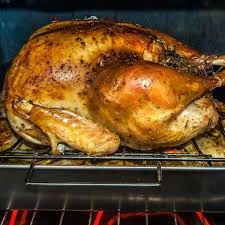
Roasting is a method of cooking food using dry heat, usually in an oven or over an open fire, without adding water or oil. The hot air surrounds the food and cooks it evenly.
How Roasting Works
Hot, dry air surrounds the food and cooks it slowly from all sides. This creates a crispy, golden outside while keeping the inside tender and juicy.
Equipment Needed for Roasting
Traditional Roasting:
- Open fire or charcoal
- Roasting stick or skewer
- Wire rack or grill
- Aluminum foil (optional)
Modern Roasting:
- Oven (gas or electric)
- Roasting pan or baking tray
- Wire rack to elevate food
- Meat thermometer (for checking doneness)
Safety Equipment:
- Oven mitts to protect hands
- Long-handled tools for turning food
- Timer to prevent burning
- Fire extinguisher or water (for open fire)
Types of Roasting
- Oven Roasting
- Inside an oven with controlled temperature
- Even heat from all directions
- Good for: Large pieces of meat, whole chicken, vegetables
- Temperature: Usually 300-450°F (150-230°C)
- Spit Roasting
- Over open fire on a rotating spit
- Food turns slowly to cook evenly
- Traditional method used for centuries
- Good for: Whole animals, large cuts of meat
- Pan Roasting
- Starts in pan on stove, finishes in oven
- Combination method for best results
- Good for: Chicken pieces, fish, vegetables
- Professional technique used by chefs
Foods That Can Be Roasted
Meat and Poultry:
- Chicken: Whole chicken or pieces (45-60 minutes)
- Beef: Roasts, steaks (varies by size and doneness)
- Goat meat: Traditional Nigerian favorite
- Turkey: Whole bird for special occasions
Vegetables:
- Root vegetables: Yam, cassava, sweet potato, Irish potato
- Corn: Corn on the cob (15-20 minutes)
- Plantain: Sweet when roasted (10-15 minutes)
- Tomatoes: Become sweet and concentrated
Nuts and Seeds:
- Groundnuts: Traditional Nigerian snack
- Cashews: Popular roasted snack
- Pumpkin seeds: Healthy snack option
- Coconut: Fresh coconut pieces
Fruits:
- Bananas: In their peels (traditional method)
- Breadfruit: Whole or in pieces
- Pineapple: Slices for sweet treat
Steps in Roasting Method
Step 1: Prepare the Food
- Clean food thoroughly
- Season with salt, spices, or herbs
- Let marinate if desired (30 minutes to overnight)
- Bring to room temperature before cooking
Step 2: Prepare Equipment
- Preheat oven to required temperature
- Prepare roasting pan with rack if using
- Line with foil if desired for easy cleanup
- Have tools ready for turning and checking
Step 3: Start Roasting
- Place food in oven or over fire
- Set timer for estimated cooking time
- Don’t open oven too frequently (loses heat)
- Maintain steady temperature
Step 4: Monitor and Turn
- Check progress occasionally
- Turn food if needed for even cooking
- Baste with juices if desired
- Adjust heat if browning too quickly
Step 5: Test for Doneness
- Check internal temperature with thermometer
- Pierce with knife – juices should run clear
- Test firmness by pressing gently
- Look for golden-brown color
Step 6: Rest and Serve
- Remove from heat when done
- Let rest 5-10 minutes before cutting
- Carve or slice as needed
- Serve hot for best taste
Advantages of Roasting
- Flavor Development
- Rich, deep flavors from browning
- Natural sweetness emerges in vegetables
- Concentrated taste as moisture evaporates
- Crispy texture on outside
- Healthy Cooking
- No added fats required
- Fat drains away during cooking
- Retains nutrients better than boiling
- Natural flavors enhanced
- Versatility
- Many foods can be roasted
- Different seasonings create variety
- Can cook large quantities at once
- Suitable for special occasions
- Convenience
- Less active cooking once started
- Oven does the work while you do other things
- Even cooking with minimal attention
- Easy cleanup with proper preparation
Disadvantages of Roasting
- Time Consuming
- Takes longer than frying or boiling
- Need to plan ahead for cooking time
- Preheating adds to total time
- Equipment Needed
- Requires oven or fire setup
- Uses more energy than other methods
- Need proper tools for safety
- Risk of Drying Out
- Can become dry if overcooked
- Need to monitor carefully
- Some foods more prone to drying
- Less Suitable for Quick Meals
- Not good when in hurry
- Planning required for timing
- Better for leisurely cooking
Tips for Successful Roasting
Temperature Control:
- Preheat oven properly before adding food
- Use oven thermometer to verify temperature
- Adjust heat if food browns too quickly
- Lower temperature for longer, gentler cooking
Moisture Retention:
- Don’t overcook – check doneness regularly
- Baste occasionally with pan juices
- Cover with foil if browning too fast
- Let meat rest before carving
Safety Measures:
- Adult supervision always required
- Use oven mitts for hot surfaces
- Keep area clear of flammable materials
- Have fire safety measures ready
Better Results:
- Season well in advance
- Use meat thermometer for accuracy
- Turn food for even browning
- Save pan drippings for gravy or sauce
Traditional Nigerian Roasting
Common Foods:
- Roasted corn: Popular street snack
- Roasted plantain: Sweet and delicious
- Roasted yam: Traditional preparation
- Roasted groundnuts: Healthy snack
Traditional Methods:
- Open fire roasting over wood or charcoal
- Clay oven roasting in rural areas
- Grilling over hot coals
- Wrapping in leaves for steaming effect
Cultural Significance:
- Community cooking during festivals
- Special occasion food preparation
- Traditional flavors preserved through generations
- Family gathering activities
Safety Rules for Roasting
Fire Safety:
- Never leave roasting food unattended
- Keep fire extinguisher or water nearby
- Clear area of flammable materials
- Adult supervision at all times
Burn Prevention:
- Use protective equipment (mitts, long tools)
- Handle hot surfaces carefully
- Keep children away from hot ovens and fires
- Turn pot handles away from walkways
Food Safety:
- Cook to proper temperature to kill bacteria
- Don’t let food sit at room temperature too long
- Reheat thoroughly if serving later
- Store leftovers properly
EXERCISES
Exercise 1: Fill in the Blanks
- Roasting is cooking food using ________ heat without adding water
- Hot air ________ the food and cooks it evenly from all sides
- Roasting creates a ________ outside while keeping inside tender
- An ________ or open fire can be used for roasting
Exercise 2: True or False
- Roasting uses water to cook food ____
- Roasted food has a crispy, golden outside ____
- You need oil to roast food ____
- Roasting takes longer than frying ____
Exercise 3: Match Equipment with Use
Draw lines to connect each equipment with its use:
- Oven mitts → Checking if food is done
- Timer → Protecting hands from heat
- Meat thermometer → Preventing burning
- Roasting pan → Holding food while cooking
Exercise 4: Types of Roasting
Write “O” for Oven roasting, “S” for Spit roasting, or “P” for Pan roasting:
- Uses controlled temperature inside oven ____
- Starts on stove, finishes in oven ____
- Food turns slowly over open fire ____
- Traditional method used for centuries ____
Exercise 5: Choose the Right Answer
Circle the correct answer:
- Roasting works by: Using water / Using dry heat
- Best for large pieces: Oven roasting / Pan roasting
- Traditional Nigerian method: Spit roasting / Boiling
- Food should be: Cold from fridge / Room temperature
This term's Home Economics topics
Basic 4 Second Term · 9 topics
- Classes of Food, Nutrient and Nutrition
- Method of Cooking: Boiling Method
- Method of Cooking: Roasting Method
- Personal Grooming and Use of Basic Cosmetics
- Personal Clothing-Types and Care of Personal Clothing
- Reasons for Wearing Clothes
- How to Prepare Liquid Soap
- Uses and Care for Simple Tools
- Stitches and Types of Stitches
Second Term Home Economics Lesson Notes for Other Topics

Kitchen Hygiene
Read the full lesson note.

First Aid Box
Read the full lesson note.
Kitchen: Definition and Types
Read the full lesson note.

Types of Home Cleaning II
Read the full lesson note.

Types of Home Cleaning I
Read the full lesson note.

Home Hygiene
Read the full lesson note.

Clothing Construction Continued. (Production of Seam Album)
Read the full lesson note.
Clothing Construction Continued. (Production of Seam Album)
Read the full lesson note.

Review of First Term Scheme of Work
Read the full lesson note.
Sewing Processes (Production Of An Article)
Read the full lesson note.

Basic Stitches (Decorative/ Embroidery Stitches)
Read the full lesson note.

Care Of Cooking Tools And Equipment
Read the full lesson note.

Cleaning Cooking Tools And Equipment
Read the full lesson note.

Basic Sitches (Permanent Stitches)
Read the full lesson note.
Cleaning Agents For Cooking Tools And Equipment
Read the full lesson note.
Lesson Notes for Other Classes

Basic 1 Lesson Note
The complete lesson note to guide your studies.

Basic 2 Lesson Note
The complete lesson note to guide your studies.

Basic 3 Lesson Note
The complete lesson note to guide your studies.

Basic 5 Lesson Note
The complete lesson note to guide your studies.

Basic 6 Lesson Note
The complete lesson note to guide your studies.

JSS1 Lesson Note
The complete lesson note to guide your studies.

