
Personal Grooming and Use of Basic Cosmetics – Basic 4 Home Economics Lesson Note (Second Term)
Download Lesson NoteLesson note at a glance
- Subject
- Home Economics
- Class
- Basic 4
- Term
- Second Term
- Topic
- Personal Grooming and Use of Basic Cosmetics
- Order
- Topic 4 of 9 this term
- Reading time
- 5 min
What is Personal Grooming?
Personal grooming is taking care of your body and appearance to stay clean, healthy, and look neat and presentable.
What are Basic Cosmetics?
Basic cosmetics are simple products used to keep the body clean, fresh, and to enhance natural appearance in a healthy way.
Importance of Personal Grooming
Health Benefits:
- Prevents diseases and infections
- Removes germs and bacteria from body
- Keeps skin healthy and fresh
- Prevents bad odors
Social Benefits:
- Makes good impression on others
- Shows self-respect and care
- Helps build confidence
- Shows respect for others
Personal Benefits:
- Feels good about yourself
- Increases self-confidence
- Develops good habits for life
- Shows personal discipline
Basic Personal Grooming Practices
- Body Hygiene
Daily Bathing:
- Take bath or shower every day
- Use warm water and soap
- Clean all parts of the body thoroughly
- Dry with clean towel after bathing
Washing Hands:
- Before eating any meal
- After using toilet
- After playing or touching dirty things
- Use soap and clean water for 20 seconds
Foot Care:
- Wash feet daily with soap and water
- Dry between toes to prevent fungal infections
- Wear clean socks and shoes
- Cut toenails regularly and straight across
- Hair Care
Regular Washing:
- Wash hair 2-3 times per week
- Use mild shampoo appropriate for your hair type
- Rinse thoroughly to remove all soap
- Dry gently with clean towel
Daily Care:
- Comb or brush hair daily
- Use clean comb or brush
- Style neatly for school or occasions
- Protect from harsh sun and dust
- Oral Hygiene
Teeth Brushing:
- Brush teeth twice daily (morning and night)
- Use fluoride toothpaste and soft toothbrush
- Brush for 2 minutes covering all surfaces
- Replace toothbrush every 3 months
Additional Care:
- Rinse mouth after eating sweets
- Avoid too many sugary foods and drinks
- Visit dentist regularly for check-ups
- Don’t use teeth to open bottles or crack nuts
- Nail Care
Regular Trimming:
- Cut fingernails weekly
- Cut toenails every 2 weeks
- Use clean nail clipper or scissors
- File smooth if rough edges
Daily Care:
- Keep nails clean and dirt-free
- Don’t bite nails or pick at cuticles
- Wash under nails during hand washing
- Moisturize hands to prevent dry skin
- Clothing and Appearance
Clean Clothing:
- Wear clean clothes every day
- Change underwear daily
- Wash dirty clothes promptly
- Iron clothes to look neat
Appropriate Dressing:
- Choose clothes suitable for occasion
- Dress modestly and appropriately
- Keep clothes in good repair
- Shoes should be clean and in good condition
Basic Cosmetics for Children
- Cleansing Products
Soap:
- Mild, gentle soap for sensitive skin
- Antibacterial soap for hands
- Special soap for face if needed
- Natural soaps like shea butter soap
Shampoo:
- Mild, tear-free shampoo for children
- Suitable for hair type (oily, dry, normal)
- Natural ingredients preferred
- Avoid harsh chemicals
- Moisturizing Products
Body Lotion:
- Mild, unscented lotion for daily use
- Apply after bathing to damp skin
- Special attention to dry areas (elbows, knees)
- Natural oils like coconut or shea butter
Lip Care:
- Lip balm for dry or chapped lips
- Petroleum jelly for simple protection
- Natural products like beeswax balm
- Apply before going outside in sun or wind
- Sun Protection
Sunscreen:
- SPF 30 or higher for daily use
- Apply 15 minutes before going outside
- Reapply every 2 hours when active outdoors
- Use on all exposed skin
Protective Clothing:
- Hats to protect face and scalp
- Long sleeves for extended sun exposure
- Sunglasses to protect eyes
- Seek shade during hottest part of day
- Special Occasion Products
For Events:
- Mild face powder to reduce shine (if needed)
- Clear lip gloss for special occasions
- Light cologne or body spray (small amount)
- Always ask parents before using
Cultural Products:
- Traditional oils like palm kernel oil
- Natural beautifiers like shea butter
- Cultural face paints for ceremonies
- Always use safe, natural products
Grooming Tools and Equipment
Basic Tools:
- Soft toothbrush and toothpaste
- Mild shampoo and soap
- Clean towels (separate for face and body)
- Comb or brush (clean and personal)
Nail Care Tools:
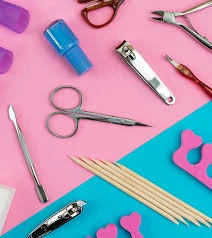
- Nail clippers or child-safe scissors
- Nail file for smoothing edges
- Small brush for cleaning under nails
- Hand cream for moisturizing
Hair Care Tools:
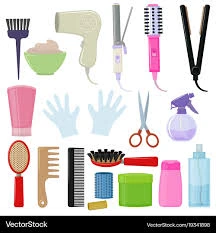
- Wide-tooth comb for wet hair
- Soft brush for daily styling
- Hair ties and clips for school
- Mild hair oil if needed
Daily Grooming Routine
Morning Routine:
- Wake up and wash face with clean water
- Brush teeth thoroughly with toothpaste
- Take bath with soap and shampoo (if washing hair)
- Dry body and apply light moisturizer
- Comb hair neatly
- Put on clean clothes
- Check appearance in mirror
Evening Routine:
- Wash hands and face when home from school
- Change into home clothes
- Brush teeth before bed
- Wash feet if they’re dirty
- Prepare clean clothes for next day
Weekly Tasks:
- Deep clean hair with thorough shampooing
- Trim nails if they’re getting long
- Organize grooming supplies
- Wash combs and brushes
Safety Guidelines
Product Safety:
- Always ask parents before using new products
- Test on small skin area first for allergies
- Use age-appropriate products only
- Read labels with adult help
Hygiene Safety:
- Don’t share personal grooming items
- Keep products clean and covered
- Replace old products that smell bad
- Wash hands after using any product
Natural Alternatives:
- Coconut oil for moisturizing
- Shea butter for dry skin
- Honey and lemon for gentle cleansing
- Oatmeal for gentle exfoliation
Building Good Habits
Daily Practice:
- Set routine and stick to it
- Make it fun with favorite products
- Ask family for help and encouragement
- Celebrate improvements in appearance
Learning Responsibility:
- Take care of your own grooming supplies
- Remember routine without being reminded
- Notice when supplies need replacing
- Help younger siblings learn good habits
EXERCISES
Exercise 1: Fill in the Blanks
- Personal grooming is taking care of your ________ and appearance
- Basic cosmetics are simple products used to keep the body ________ and fresh
- We should brush our teeth ________ daily
- ________ should be cut weekly to keep them clean
Exercise 2: True or False
- Personal grooming is only about looking good ____
- Children should bathe every day ____
- It’s okay to share toothbrushes with friends ____
- Sunscreen helps protect skin from sun damage ____
Exercise 3: Match Activity with Benefit
Draw lines to connect each grooming activity with its main benefit:
- Daily bathing → Prevents tooth decay
- Brushing teeth → Keeps hair clean and neat
- Washing hair → Removes germs and bacteria
- Cutting nails → Prevents dirt accumulation
Exercise 4: Grooming Frequency
Write “D” for Daily, “W” for Weekly, or “M” for Monthly:
- Brushing teeth ____
- Cutting fingernails ____
- Bathing ____
- Washing hair ____
- Replacing toothbrush ____
Exercise 5: Choose the Right Answer
Circle the correct answer:
- Best time to wash hands: Only when dirty / Before eating and after toilet
- Hair should be washed: Every day / 2-3 times per week
- Sunscreen should have: SPF 10 / SPF 30 or higher
- Nails should be cut: When they break / Weekly
This term's Home Economics topics
Basic 4 Second Term · 9 topics
- Classes of Food, Nutrient and Nutrition
- Method of Cooking: Boiling Method
- Method of Cooking: Roasting Method
- Personal Grooming and Use of Basic Cosmetics
- Personal Clothing-Types and Care of Personal Clothing
- Reasons for Wearing Clothes
- How to Prepare Liquid Soap
- Uses and Care for Simple Tools
- Stitches and Types of Stitches
Second Term Home Economics Lesson Notes for Other Topics

Kitchen Hygiene
Read the full lesson note.
First Aid Box
Read the full lesson note.
Kitchen: Definition and Types
Read the full lesson note.
Types of Home Cleaning II
Read the full lesson note.
Types of Home Cleaning I
Read the full lesson note.
Home Hygiene
Read the full lesson note.

Clothing Construction Continued. (Production of Seam Album)
Read the full lesson note.
Clothing Construction Continued. (Production of Seam Album)
Read the full lesson note.

Review of First Term Scheme of Work
Read the full lesson note.
Sewing Processes (Production Of An Article)
Read the full lesson note.
Basic Stitches (Decorative/ Embroidery Stitches)
Read the full lesson note.
Care Of Cooking Tools And Equipment
Read the full lesson note.

Cleaning Cooking Tools And Equipment
Read the full lesson note.

Basic Sitches (Permanent Stitches)
Read the full lesson note.

Cleaning Agents For Cooking Tools And Equipment
Read the full lesson note.
Lesson Notes for Other Classes

Basic 1 Lesson Note
The complete lesson note to guide your studies.

Basic 2 Lesson Note
The complete lesson note to guide your studies.

Basic 3 Lesson Note
The complete lesson note to guide your studies.

Basic 5 Lesson Note
The complete lesson note to guide your studies.

Basic 6 Lesson Note
The complete lesson note to guide your studies.
JSS1 Lesson Note
The complete lesson note to guide your studies.

