Soil: Suitable Soil for Planting Different Crops – Basic 4 Agricultural Science Lesson Note (Second Term)
Download Lesson NoteLesson note at a glance
- Subject
- Agricultural Science
- Class
- Basic 4
- Term
- Second Term
- Topic
- Soil: Suitable Soil for Planting Different Crops
- Order
- Topic 4 of 7 this term
- Reading time
- 4 min
What Does “Suitable Soil” Mean?
Suitable soil means the right type of soil that helps a particular crop grow well and produce good harvest.
Why Do Different Crops Need Different Soils?
- Different root systems: Some have deep roots, others shallow
- Different water needs: Some like wet soil, others prefer dry
- Different nutrients: Each crop needs specific food from soil
- Different growing conditions: Some like loose soil, others can grow in hard soil
Crops for Sandy Soil
Characteristics of Sandy Soil:
- Drains quickly: Water flows through fast
- Easy to dig: Soft and loose
- Warms up fast: Good for early planting
- Low nutrients: Nutrients wash away easily
Best Crops for Sandy Soil:
Root Vegetables:

- Carrots: Long roots grow easily in loose soil
- Radishes: Quick-growing, don’t need many nutrients
- Sweet potatoes: Adapt well to sandy conditions
- Irish potatoes: Tubers develop well in loose soil
Fruits:
Watermelon: Loves well-drained soil

- Pineapples: Natural sandy soil crop
- Coconuts: Grows well near sandy beaches
- Oranges: Prefer good drainage
Other Crops:
- Groundnuts (peanuts): Pods develop well in loose soil
- Beans: Short-season crop, quick harvest
- Millet: Drought-resistant, grows in poor soil
- Cassava: Very hardy, can grow anywhere
Crops for Clay Soil
Characteristics of Clay Soil:
- Holds water well: Stays wet for long time
- Rich in nutrients: Keeps fertilizers well
- Hard when dry: Difficult to dig
- Poor drainage: Water stays on surface
Best Crops for Clay Soil:
Water-Loving Crops:
- Rice: Needs flooded fields, loves wet conditions
- Sugar cane: Requires lots of water
- Taro (cocoyam): Grows in wet, marshy areas
- Water spinach: Aquatic vegetable
Vegetables:
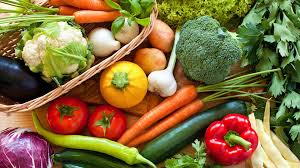
- Cabbage: Likes moisture and nutrients
- Lettuce: Needs consistent moisture
- Broccoli: Prefers nutrient-rich, moist soil
- Spinach: Grows well in heavy soil
Tree Crops:
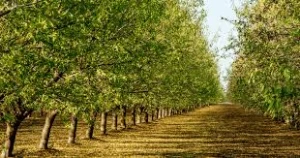
- Mango trees: Deep roots can penetrate clay
- Avocado: Likes rich, moist soil
- Breadfruit: Tolerates heavy soil well
Crops for Loamy Soil
Characteristics of Loamy Soil:
- Perfect balance: Not too wet, not too dry
- Rich in nutrients: Best natural fertility
- Easy to work: Good for all farming activities
- Best drainage: Water soaks in but doesn’t stay too long
Best Crops for Loamy Soil:
Almost all crops grow excellently in loamy soil!
Cereal Crops:
- Maize (corn): Grows very well with high yields
- Wheat: Prefers loamy soil for best grain
- Rice: Also grows well in drained loamy soil
- Sorghum: Excellent yields in good loamy soil
Root Crops:
- Yam: Produces large tubers in loamy soil
- Cassava: Grows bigger and better
- Sweet potatoes: Higher yields than in sandy soil
- Irish potatoes: Best quality tubers
Vegetables:
- Tomatoes: Need rich, well-drained soil
- Onions: Perfect for loamy conditions
- Pepper: Grows excellently
- Okra: High yields in loamy soil
Cash Crops:
- Cocoa: Prefers rich loamy forest soil
- Cotton: Best yields in loamy soil
- Coffee: Rich soil produces quality beans
- Oil palm: Excellent production
Legumes:
- Cowpeas: Very productive
- Soybeans: High protein content
- Groundnuts: Large, healthy nuts
Crops for Silty Soil
Characteristics of Silty Soil:
- Fertile: Rich in nutrients
- Good water retention: Holds moisture well
- Smooth texture: Fine particles
- Can compact: May become hard
Best Crops for Silty Soil:
Grain Crops:
- Wheat: Excellent for bread-making quality
- Barley: Good yields
- Oats: Grows well in fine soil
Vegetables:
- Most vegetables: Especially leafy ones
- Root vegetables: Good development
Matching Crops to Soil – Quick Guide
For Sandy Soil (Well-drained):
Choose crops that:
- Don’t need too much water
- Can grow with fewer nutrients
- Have roots that like loose soil
For Clay Soil (Water-holding):
Choose crops that:
- Need lots of water
- Can benefit from rich nutrients
- Can handle heavier soil
For Loamy Soil (Balanced):
- Best choice: Almost any crop
- Highest yields: Most productive soil
- Easiest farming: Less problems
Tips for Choosing Right Crops
Consider These Factors:
- Soil type: Sandy, clay, or loamy
- Water availability: How much rain or irrigation
- Climate: Hot, cool, wet, or dry season
- Market demand: What people want to buy
- Farming experience: Start with easy crops
Signs of Wrong Soil Choice:
- Poor growth: Plants look weak and small
- Yellow leaves: Plants can’t get nutrients
- Low yields: Small harvest
- Plant diseases: Stressed plants get sick easily
Signs of Right Soil Choice:
- Healthy growth: Plants look green and strong
- Good yields: Plenty of harvest
- Disease resistance: Healthy plants fight diseases
- Profitable farming: Good income from sales
EXERCISES
Exercise 1: Fill in the Blanks
- Suitable soil means the ________ type of soil for a particular crop
- ________ soil drains water quickly and is easy to dig
- ________ soil holds water well and is rich in nutrients
- ________ soil is perfect for almost all crops
Exercise 2: True or False
- All crops can grow in any type of soil ____
- Rice grows best in clay soil ____
- Carrots prefer sandy soil ____
- Loamy soil is good for most crops ____
Exercise 3: Match Soil to Crops
Draw lines to connect the soil type with suitable crops:
- Sandy soil → Rice and cabbage
- Clay soil → Carrots and watermelon
- Loamy soil → Almost all crops
- Silty soil → Wheat and vegetables
Exercise 4: Soil Characteristics
Write “S” for Sandy, “C” for Clay, “L” for Loamy, or “Si” for Silty:
- Drains water quickly ____
- Holds water for long time ____
- Perfect balance of drainage ____
- Hard when dry ____
- Easy to dig ____
Exercise 5: Choose the Best Soil
Circle the best soil type for these crops:
- Rice: Sandy / Clay / Loamy
- Carrots: Sandy / Clay / Loamy
- Tomatoes: Sandy / Clay / Loamy
- Watermelon: Sandy / Clay / Loamy
This term's Agricultural Science topics
Basic 4 Second Term · 7 topics
Second Term Agricultural Science Lesson Notes for Other Topics
Packaging of Processed Foods
Read the full lesson note.

Primary, Secondary and Tertiary Packaging
Read the full lesson note.
Types of Agricultural Market
Read the full lesson note.
Materials used for Packaging; Nylon, Carton, Paper, Sack, Boxes etc
Read the full lesson note.
Reasons for Packaging Farm Produce
Read the full lesson note.
Crops that can be Packaged
Read the full lesson note.
Market and Marketing of Agricultural Produce
Read the full lesson note.
Agricultural Marketing Activities
Read the full lesson note.

Damages Caused By Pests
Read the full lesson note.

Control Of Insect Pests
Read the full lesson note.

Classification Of Insect Pests; Piercing And Sucking Insect Pest
Read the full lesson note.
Pest And Disease Of Crops
Read the full lesson note.
Benefits Of Weeds: Animal Feed, Of Drugs, Food To Man
Read the full lesson note.
Control Of Weeds
Read the full lesson note.
Effects of Weeds on Farmers
Read the full lesson note.
Lesson Notes for Other Classes

Basic 1 Lesson Note
The complete lesson note to guide your studies.
Basic 2 Lesson Note
The complete lesson note to guide your studies.

Basic 3 Lesson Note
The complete lesson note to guide your studies.

Basic 5 Lesson Note
The complete lesson note to guide your studies.

Basic 6 Lesson Note
The complete lesson note to guide your studies.

JSS1 Lesson Note
The complete lesson note to guide your studies.