Horticulture in Agriculture – Basic 4 Agricultural Science Lesson Note (Second Term)
Download Lesson NoteLesson note at a glance
- Subject
- Agricultural Science
- Class
- Basic 4
- Term
- Second Term
- Topic
- Horticulture in Agriculture
- Order
- Topic 5 of 7 this term
- Reading time
- 4 min
What is Horticulture?
Horticulture is the science and art of growing fruits, vegetables, flowers, and decorative plants in gardens, farms, and special areas.
Simple Definition
Horticulture means growing plants for beauty, food, and enjoyment rather than growing large amounts of grains like rice or maize.
Types of Horticulture
- Fruit Growing (Pomology)

Growing fruits for eating and selling
Common Fruits in Nigeria:
- Citrus fruits: Oranges, lemons, limes, grapefruits
- Tropical fruits: Mangoes, pineapples, pawpaw, bananas
- Local fruits: African star apple, cashew, guava
- Berries: Strawberries (in cool areas)
Where Grown:
- Orchards: Special farms for fruit trees
- Home gardens: Backyard fruit trees
- Commercial farms: Large-scale fruit production
- Vegetable Growing (Olericulture)
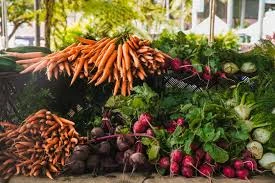
Growing vegetables for food
Common Vegetables:
- Leafy vegetables: Lettuce, spinach, cabbage, water leaf
- Root vegetables: Carrots, radishes, onions
- Fruit vegetables: Tomatoes, peppers, okra, cucumber
- Pod vegetables: Green beans, peas
- Flower Growing (Floriculture)
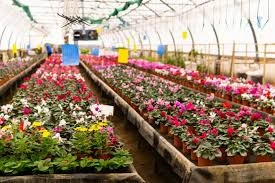
Growing flowers for beauty and decoration
Types of Flowers:
- Cut flowers: Roses, chrysanthemums, lilies
- Potted flowers: Begonias, impatiens, petunias
- Garden flowers: Sunflowers, marigolds, zinnias
- Local flowers: Ixora, hibiscus, bougainvillea
Uses:
- Decoration: Homes, offices, events
- Celebrations: Weddings, birthdays, festivals
- Religious purposes: Church and mosque decorations
- Business: Flower shops and arrangements
- Ornamental Plant Growing

Growing plants for beauty and landscape
Types:
- Shrubs: Small bushy plants for borders
- Trees: Shade trees, decorative trees
- Grass: Lawns and ground cover
- Hedge plants: Plants for fences and boundaries
Uses:
- Landscaping: Making places beautiful
- Parks: Public recreation areas
- Schools: Beautiful school compounds
- Hotels: Attractive surroundings
Differences Between Horticulture and Field Crops
Horticulture:
- Small areas: Gardens, plots, greenhouses
- Intensive care: Daily attention needed
- High value: Expensive products
- Fresh consumption: Eaten fresh or soon after harvest
- Special techniques: Pruning, grafting, training
Field Crops:
- Large areas: Big farms, fields
- Extensive farming: Less daily care per plant
- Lower value per unit: Cheaper products
- Storage: Can be stored for long time
- Simple techniques: Planting, weeding, harvesting
Tools and Equipment for Horticulture
Basic Hand Tools:
- Pruning shears: For cutting branches and stems
- Watering can: For giving water to plants
- Small hoe: For weeding around plants
- Trowel: Small spade for planting
- Garden fork: For loosening soil
Advanced Equipment:
- Sprinkler systems: For watering large areas
- Greenhouse structures: For controlled growing
- Grafting knives: For joining different plants
- Soil thermometers: For checking soil temperature
Importance of Horticulture
- Food and Nutrition
- Fresh vegetables: Provide vitamins and minerals
- Fruits: Give vitamin C and natural sugars
- Healthy diet: Essential for good health
- Year-round supply: Fresh food always available
- Economic Benefits
- High income: Horticultural crops bring good money
- Job creation: Many people work in gardens and nurseries
- Export potential: Fresh fruits and flowers sold abroad
- Value addition: Processing into juices, dried fruits
- Environmental Benefits
- Air purification: Plants clean the air we breathe
- Temperature control: Trees and plants cool the environment
- Soil protection: Plant roots prevent erosion
- Wildlife habitat: Provides food and shelter for animals
- Aesthetic and Social Benefits
- Beauty: Makes places attractive and pleasant
- Recreation: Gardening is enjoyable hobby
- Community building: People share gardening knowledge
- Cultural preservation: Traditional plants and practices
Practices in Horticulture
- Pruning
- What it is: Cutting unwanted branches and stems
- Why needed: Shape plants, remove diseased parts, increase fruit production
- When to do: During dormant season or after harvest
- Grafting
- What it is: Joining parts of two different plants
- Purpose: Combine good roots with good fruits
- Example: Orange tree grafted onto strong rootstock
- Propagation
- Seeds: Growing new plants from seeds
- Cuttings: Growing plants from cut stems
- Division: Splitting plants to make new ones
- Pest and Disease Control
- Organic methods: Using natural predators, companion planting
- Chemical control: Safe pesticides when necessary
- Prevention: Proper spacing, good hygiene
Career Opportunities in Horticulture
Jobs Available:
- Horticulturist: Expert in growing horticultural crops
- Garden designer: Plans and creates beautiful gardens
- Nursery manager: Runs plant nursery business
- Florist: Arranges and sells flowers
- Landscape artist: Designs outdoor spaces
- Greenhouse manager: Manages controlled growing environments
EXERCISES
Exercise 1: Fill in the Blanks
- Horticulture is the science of growing ________, vegetables, and flowers
- ________ means growing fruits for eating and selling
- ________ is growing flowers for beauty and decoration
- Ornamental plants are grown for ________ and landscape
Exercise 2: True or False
- Horticulture only involves growing vegetables ____
- Flowers are grown for beauty and decoration ____
- Horticulture requires more intensive care than field crops ____
- All horticultural crops can be stored for long periods ____
Exercise 3: Match the Types
Draw lines to connect each type with its focus:
- Pomology → Growing flowers
- Olericulture → Growing ornamental plants
- Floriculture → Growing vegetables
- Ornamental growing → Growing fruits
Exercise 4: Crop Categories
Write “F” for Fruits, “V” for Vegetables, “Fl” for Flowers, or “O” for Ornamental:
- Roses ____
- Tomatoes ____
- Mangoes ____
- Lawn grass ____
- Lettuce ____
Exercise 5: Choose the Right Answer
Circle the correct answer:
- Horticulture focuses on: Large field crops / Gardens and small areas
- Cut flowers are used for: Eating / Decoration
- Vegetables provide: Only calories / Vitamins and minerals
- Pruning means: Planting seeds / Cutting unwanted branches
This term's Agricultural Science topics
Basic 4 Second Term · 7 topics
Second Term Agricultural Science Lesson Notes for Other Topics
Packaging of Processed Foods
Read the full lesson note.

Primary, Secondary and Tertiary Packaging
Read the full lesson note.
Types of Agricultural Market
Read the full lesson note.
Materials used for Packaging; Nylon, Carton, Paper, Sack, Boxes etc
Read the full lesson note.
Reasons for Packaging Farm Produce
Read the full lesson note.
Crops that can be Packaged
Read the full lesson note.
Market and Marketing of Agricultural Produce
Read the full lesson note.
Agricultural Marketing Activities
Read the full lesson note.

Damages Caused By Pests
Read the full lesson note.

Control Of Insect Pests
Read the full lesson note.

Classification Of Insect Pests; Piercing And Sucking Insect Pest
Read the full lesson note.
Pest And Disease Of Crops
Read the full lesson note.
Benefits Of Weeds: Animal Feed, Of Drugs, Food To Man
Read the full lesson note.
Control Of Weeds
Read the full lesson note.
Effects of Weeds on Farmers
Read the full lesson note.
Lesson Notes for Other Classes

Basic 1 Lesson Note
The complete lesson note to guide your studies.
Basic 2 Lesson Note
The complete lesson note to guide your studies.

Basic 3 Lesson Note
The complete lesson note to guide your studies.
Basic 5 Lesson Note
The complete lesson note to guide your studies.
Basic 6 Lesson Note
The complete lesson note to guide your studies.

JSS1 Lesson Note
The complete lesson note to guide your studies.