
Soil: Methods of Improving Soil Fertility – Basic 4 Agricultural Science Lesson Note (Second Term)
Download this term · ₦1,000Lesson note at a glance
- Subject
- Agricultural Science
- Class
- Basic 4
- Term
- Second Term
- Topic
- Soil: Methods of Improving Soil Fertility
- Order
- Topic 4 of 8 this term
- Reading time
- 5 min
What is Improving Soil Fertility?
Improving soil fertility means making the soil richer and better for growing healthy plants by adding nutrients and using good farming practices.
Methods of Improving Soil Fertility
- Adding Organic Matter
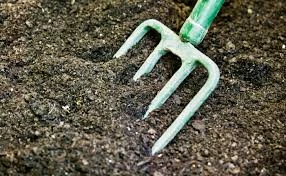
Compost
- What it is: Rotted plant and animal waste
- How to make: Mix kitchen scraps, dead leaves, animal waste
- Benefits: Adds nutrients slowly, improves soil structure
- How to use: Mix into soil before planting
Manure
- Types: Cow dung, goat droppings, chicken waste, pig waste
- Best practice: Let it rot for some time before use
- Benefits: Rich in nitrogen, phosphorus, potassium
- Application: Spread on soil and mix well
Green Manure
- What it is: Growing plants just to add to soil
- Examples: Cowpeas, groundnuts, mucuna
- Method: Grow plants, then cut and bury in soil
- Benefits: Adds nitrogen and organic matter
- Crop Rotation

Changing the type of crops grown on the same land
How It Works:
- Year 1: Grow maize (takes nitrogen)
- Year 2: Grow beans (adds nitrogen)
- Year 3: Grow yam (uses different nutrients)
- Year 4: Back to maize (soil has recovered)
Benefits:
- Different nutrients used: Soil doesn’t get exhausted
- Disease prevention: Breaks disease cycles
- Natural fertilization: Some crops add nutrients
- Better yields: Crops grow healthier
Good Rotation Examples:
- Maize → Beans → Cassava
- Rice → Cowpeas → Vegetables
- Yam → Groundnuts → Maize
- Fallowing
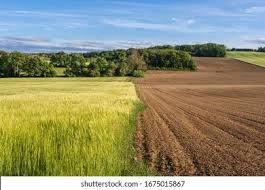
Leaving land to rest without crops for some time
How It Works:
- Leave land empty: No crops planted for 1-2 years
- Natural vegetation grows: Wild plants cover the soil
- Soil recovers: Gets back nutrients naturally
- Return to farming: Soil is refreshed and fertile
Benefits:
- Natural restoration: Soil rebuilds itself
- Organic matter increase: Dead plants add humus
- Erosion control: Plant cover protects soil
- Pest control: Breaks pest and disease cycles
- Mulching
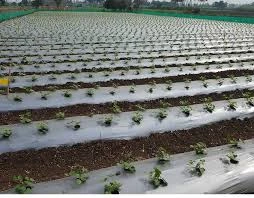
Covering soil with plant materials
Materials Used:
- Dried grass: Cut grass spread on soil
- Dead leaves: Fallen leaves from trees
- Crop residues: Leftover stems and leaves after harvest
- Straw: Dried rice or wheat stems
Benefits:
- Moisture retention: Keeps soil wet longer
- Temperature control: Keeps soil cool
- Weed control: Prevents unwanted plants
- Nutrient addition: Mulch rots and feeds soil
- Using Fertilizers
Organic Fertilizers:
- Bone meal: Ground animal bones (phosphorus)
- Wood ash: Burnt wood (potassium)
- Fish emulsion: Liquid from fish waste
- Seaweed: Dried sea plants
Inorganic (Chemical) Fertilizers:
- NPK: Contains Nitrogen, Phosphorus, Potassium
- Urea: High in nitrogen for leaf growth
- Superphosphate: For root development
- Potash: For fruit and seed development
Application:
- Follow instructions: Use correct amounts
- Right timing: Apply when plants need nutrients
- Mix with soil: Don’t leave on surface
- Water after applying: Help nutrients reach roots
- Liming
Adding lime to reduce soil acidity
When Needed:
- Acidic soil: When soil is too sour (pH below 6)
- Poor plant growth: Plants look weak and yellow
- Nutrient lockup: Nutrients present but plants can’t use them
Types of Lime:
- Agricultural lime: Ground limestone
- Wood ash: From burnt wood
- Oyster shell: Ground seashells
Benefits:
- Reduces acidity: Makes soil neutral
- Improves nutrient availability: Plants can absorb nutrients better
- Encourages beneficial bacteria: Helps soil organisms
- Proper Drainage and Irrigation
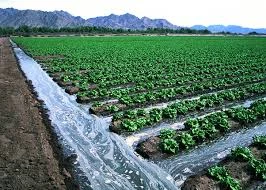
Drainage (Removing Excess Water):
- Make channels: Dig trenches to carry away water
- Raised beds: Plant on higher ground
- Add sand: Mix with clay soil to improve drainage
Irrigation (Adding Water):
- Drip irrigation: Water drops slowly to roots
- Sprinkler systems: Water sprayed like rain
- Furrow irrigation: Water flows in channels between crops
Benefits:
- Right water amount: Not too much, not too little
- Better root growth: Roots can breathe and absorb nutrients
- Higher yields: Plants grow better with proper water
- Intercropping
Growing different crops together on the same land
Good Combinations:
- Maize + Beans: Beans add nitrogen for maize
- Cassava + Vegetables: Use space efficiently
- Fruit trees + Ground crops: Different root levels
Benefits:
- Nutrient sharing: Different crops help each other
- Space utilization: More production from same land
- Pest control: Mixed crops confuse pests
- Risk reduction: If one crop fails, others may succeed
- Cover Cropping
Growing plants specifically to protect and improve soil
Examples:
- Legumes: Cowpeas, beans, groundnuts
- Grasses: Special grass varieties
- Mixed cover: Combination of different plants
Benefits:
- Soil protection: Prevents erosion
- Nutrient addition: Especially nitrogen from legumes
- Organic matter: When plants decompose
- Weed suppression: Covers soil so weeds can’t grow
- Contour Farming
Planting crops along the slope of hills
How It Works:
- Follow land shape: Plant in curves following the hill
- Slow water flow: Prevents fast runoff
- Reduce erosion: Water doesn’t wash soil away
- Better water absorption: Soil has time to soak up water
EXERCISES
Exercise 1: Fill in the Blanks
- Improving soil fertility means making soil ________ for growing plants
- ________ is rotted plant and animal waste that adds nutrients
- Crop ________ means changing crops grown on the same land
- ________ means leaving land to rest without crops
Exercise 2: True or False
- Compost is made from rotted organic materials ____
- Growing the same crop every year improves soil ____
- Mulching helps keep soil moisture ____
- All fertilizers are chemical ____
Exercise 3: Match the Method
Draw lines to connect each method with its benefit:
- Adding manure → Prevents soil erosion on slopes
- Crop rotation → Adds nutrients to soil
- Contour farming → Prevents soil exhaustion
- Mulching → Keeps soil moist and cool
Exercise 4: Types of Organic Matter
Write “C” for Compost materials, “M” for Manure, or “G” for Green manure:
- Cow dung ____
- Kitchen scraps ____
- Growing cowpeas to bury ____
- Chicken waste ____
- Dead leaves ____
Exercise 5: Choose the Right Answer
Circle the correct answer:
- Crop rotation helps by: Using same nutrients / Using different nutrients
- Fallowing means: Planting more crops / Letting land rest
- Mulching is: Covering soil / Removing soil cover
- Liming is used when soil is: Too acidic / Too alkaline
This term's Agricultural Science topics
Basic 4 Second Term · 8 topics
Get Agricultural Science as PDF and Word
Every week of Basic 4 Agricultural Science, Second Term, formatted and ready to print. Ad-free, and the copy lock comes off.
Get this term Card, bank transfer, USSD or OPay
Basic 4 Agricultural Science Lesson Notes for Other Topics

Soil - Meaning and Importance
Read the full lesson note.
Classification of Soil in Agriculture
Read the full lesson note.
Soil - Causes of Reduction in Soil Fertility
Read the full lesson note.
Soil - Suitable Soil for Planting Different Crops
Read the full lesson note.
Horticulture in Agriculture
Read the full lesson note.

Materials/Tools for Horticulture Practice
Read the full lesson note.
Maintenance of Flowers
Read the full lesson note.
Meaning and Importance of Agriculture
Read the full lesson note.

Agriculture as a Source of Food to Man
Read the full lesson note.
Agriculture as a Source of Employment and Income
Read the full lesson note.

Agriculture as a Source of Raw Materials for Industries
Read the full lesson note.
Agriculture as a Source of Materials for Clothing
Read the full lesson note.

Agriculture as a Means of Foreign Exchange
Read the full lesson note.
Branches of Agriculture and People Involved
Read the full lesson note.
Crop Production
Read the full lesson note.
Lesson Notes for Other Classes

Basic 1 Lesson Note
The complete lesson note to guide your studies.

Basic 2 Lesson Note
The complete lesson note to guide your studies.

Basic 3 Lesson Note
The complete lesson note to guide your studies.

Basic 5 Lesson Note
The complete lesson note to guide your studies.

Basic 6 Lesson Note
The complete lesson note to guide your studies.
