
Meaning and Characteristics of Animals – Basic 3 Basic Science Lesson Note (Third Term)
Download Lesson NoteLesson note at a glance
- Subject
- Basic Science
- Class
- Basic 3
- Term
- Third Term
- Topic
- Meaning and Characteristics of Animals
- Order
- Topic 5 of 14 this term
- Reading time
- 1 min
What are Animals?
Animals are living things that can move from place to place and eat other living things for food.
Animals in Their Habitats
Terrestrial Animals (Land):
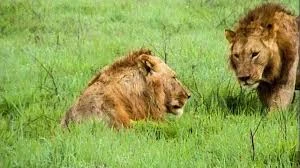
- Lion – lives in grasslands and hunts other animals
- Elephant – lives in forests and eats plants

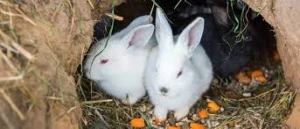
- Rabbit – lives in burrows underground
- Dog – lives with humans as pets

Aquatic Animals (Water):
- Fish – lives in rivers, lakes, and oceans

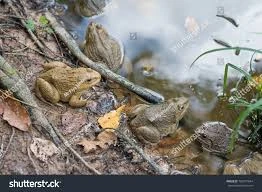
Frog – lives both in water and on land
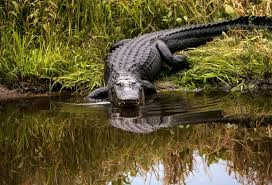
- Crocodile – lives in rivers and swamps
- Duck – swims in ponds and lakes
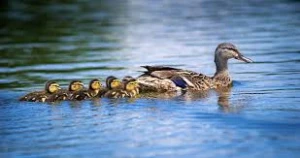
Arboreal Animals (Trees):
- Monkey – swings from tree to tree

- Bird – builds nests on tree branches
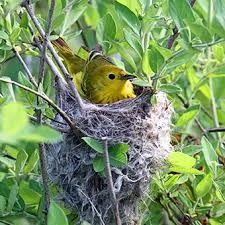
- Squirrel – lives in tree holes

- Chameleon – changes color on tree branches
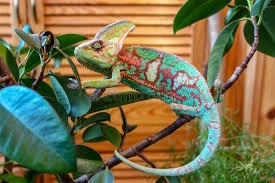
Classes of Animals
Mammals:
- Have fur or hair on their body
- Feed milk to their babies
- Give birth to live babies
- Examples: Cat, cow, human, whale
Birds:
- Have feathers and wings
- Lay eggs in nests
- Most can fly
- Examples: Eagle, chicken, parrot, owl
Fish:
- Live in water all the time
- Have scales and fins
- Breathe through gills
- Examples: Tilapia, catfish, shark
Reptiles:
- Have dry, scaly skin
- Lay eggs on land
- Are cold-blooded
- Examples: Snake, lizard, turtle
Exercise 1:
- Where do arboreal animals live? _______
- What do mammals feed their babies? _______
- Name one aquatic animal: _______
This term's Basic Science topics
Basic 3 Third Term · 14 topics
- Meaning and Characteristics of Plants
- Uses of Plants
- Plants: As Living Things
- Plants Exhibiting Characteristics of Living Things
- Meaning and Characteristics of Animals
- Uses of Animals
- How Animals Help Us
- Animals: As Living Things (Characteristics)
- Meaning and Characteristics of Plants
- Uses of Plants
- Plants: As Living Things II
Third Term Basic Science Lesson Notes for Other Topics
Simple Machines
Read the full lesson note.
Simple Machines - The Safe Use of Simple Machines
Read the full lesson note.
Concept of Technology
Read the full lesson note.
Technology in Home - Electric Gadgets
Read the full lesson note.
Technology in Transportation - Land and Air
Read the full lesson note.
What Is Water Transportation?
Read the full lesson note.
Exploring Your Environment I
Read the full lesson note.
Exploring Your Environment II
Read the full lesson note.

Exploring Your Environment III
Read the full lesson note.
Animals - As Living Things (Characteristics)
Read the full lesson note.

Uses of Animals
Read the full lesson note.
Meaning and Characteristics of Plants
Read the full lesson note.

Meaning and Characteristics of Animals
Read the full lesson note.
Plants - As Living Things II
Read the full lesson note.
Uses of Plants
Read the full lesson note.
Lesson Notes for Other Classes

Basic 1 Lesson Note
The complete lesson note to guide your studies.

Basic 2 Lesson Note
The complete lesson note to guide your studies.

Basic 4 Lesson Note
The complete lesson note to guide your studies.

Basic 5 Lesson Note
The complete lesson note to guide your studies.

Basic 6 Lesson Note
The complete lesson note to guide your studies.

JSS1 Lesson Note
The complete lesson note to guide your studies.

