Sunaye: Mutane, Wurare, Dabbobi (Nouns: People, Places, Animals) – Basic 3 Hausa Lesson Note (First Term)
Download Lesson NoteLesson note at a glance
- Subject
- Hausa
- Class
- Basic 3
- Term
- First Term
- Topic
- Sunaye: Mutane, Wurare, Dabbobi (Nouns: People, Places, Animals)
- Order
- Topic 7 of 9 this term
- Reading time
- 1 min
Subject: Hausa Language
Class: Primary 3
Topic: Sunaye: Mutane, Wurare, Dabbobi (Nouns: People, Places, Animals)
Duration: 35 minutes
Learning Objectives
Pupils will be able to:
- Name people in Hausa
- Identify places in Hausa
- Recognize animals in Hausa
- Mutane (People)
- Malam – Teacher (male)
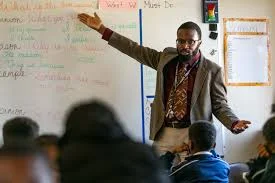
- Malama – Teacher (female)

- Mahaifi – Father

- Mahaifiya – Mother

- Yaro – Boy

- Yarinya – Girl

- Likita – Doctor

- Dan sanda – Policeman

- Wurare (Places)
- Makaranta – School

- Gida – House/Home

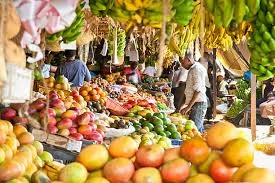
- Kasuwa – Market
- Masallaci – Mosque

- Asibiti – Hospital

- Gari – Town/City

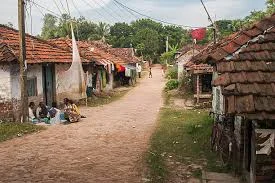
- Kauye – Village
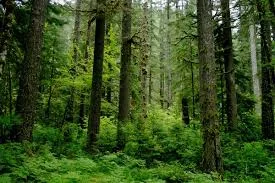
- Daji – Forest
III. Dabbobi (Animals)
- Kare – Dog

- Kyanwa – Cat

- Saniya – Cow

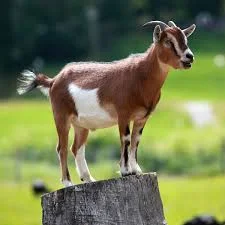
- Akuya – Goat
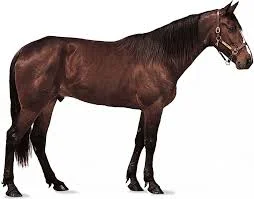
- Doki – Horse
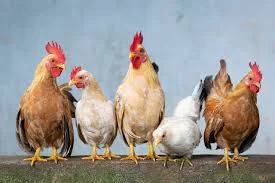
- Kaza – Chicken
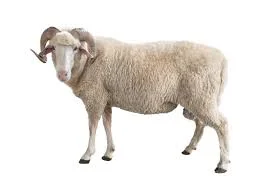
- Rago – Ram/Sheep
- Zaki – Lion

Exercises
Exercise 1: Group the words
Put these words in the correct group:
Words: Yaro, Kare, Gida, Malama, Kasuwa, Saniya
Mutane: _____________ Wurare: _____________ Dabbobi: ____________
Exercise 2: Complete the sentences
- _______ yana koyarwa a makaranta (Teacher is teaching at school)
- _______ yana barci a gida (Dog is sleeping at home)
- Muna zuwa _______ don sayayya (We go to _______ to buy things)
Exercise 3: Match the words
- Likita → Market
- Kasuwa → Doctor
- Doki → Hospital
- Asibiti → Horse
Exercise 4: True or False
- Kare is a place ( )
- Makaranta is where we learn ( )
- Zaki is an animal ( )
- Yarinya means boy ( )
Exercise 5: Name them in Hausa
- The person who teaches = _______
- Where sick people go = _______
- Animal that gives milk = _______
- Place where we pray = _______
Class Work
Look around the classroom. Name 3 people, 3 places you know, and 3 animals you have seen.
Homework
Draw and label 2 people, 2 places, and 2 animals using Hausa names.
Teacher’s Note: Use pictures or real examples to make the lesson more visual and memorable.
This term's Hausa topics
Basic 3 First Term · 9 topics
- Tadi
- Tadi Cigaba
- Wasan Yara “Ina Za Muje” (Children’s Game “Where Shall We Go”)
- Karin Kida (Music and Songs)
- Karin Kidaya Cigaba (Advanced Counting)
- Rabe-Rabe Jurnla (Parts of Speech)
- Sunaye: Mutane, Wurare, Dabbobi (Nouns: People, Places, Animals)
- Kalmomin Aiki (Aikatau): Ci, Zo, Tafi, Zaune
- Karin Karatu (Reading Practice)
First Term Hausa Lesson Notes for Other Topics
Karin Kidaya Cigaba (Advanced Counting)
Read the full lesson note.
Rabe-Rabe Jurnla (Parts of Speech)
Read the full lesson note.
Kalmomin Aiki (Aikatau) - Ci, Zo, Tafi, Zaune
Read the full lesson note.

Karin Karatu (Reading Practice)
Read the full lesson note.
Ts arin sass aukai jimla
Read the full lesson note.
Kara tu Rubu tattun wako ki
Read the full lesson note.
Kalmomi Masu ma'a na daya
Read the full lesson note.
Ci gaba da rubutun wasiku
Read the full lesson note.
Abincin Hausawa
Read the full lesson note.
Ka rantu gaje run was anin kwaikw ayo
Read the full lesson note.
Suna
Read the full lesson note.
Ci gaba da rubu tun w hannun
Read the full lesson note.
Tadi
Read the full lesson note.
Tadi Cigaba
Read the full lesson note.
Wasan Yara "Ina za muje" (Children's Game "Where shall we go")
Read the full lesson note.
Lesson Notes for Other Classes

Basic 1 Lesson Note
The complete lesson note to guide your studies.

Basic 2 Lesson Note
The complete lesson note to guide your studies.

Basic 4 Lesson Note
The complete lesson note to guide your studies.

Basic 5 Lesson Note
The complete lesson note to guide your studies.
Basic 6 Lesson Note
The complete lesson note to guide your studies.

JSS1 Lesson Note
The complete lesson note to guide your studies.