Musical Notes – Basic 3 Cultural & Creative Arts Lesson Note (Third Term)
Download Lesson NoteLesson note at a glance
- Subject
- Cultural & Creative Arts
- Class
- Basic 3
- Term
- Third Term
- Topic
- Musical Notes
- Order
- Topic 3 of 8 this term
- Reading time
- 3 min
Class: Primary 3
Subject: Cultural and Creative Art
Topic: Musical Notes
Duration: 30 minutes
Learning Objectives
By the end of this lesson, pupils will be able to identify basic musical notes and understand that musical notes represent different sounds and lengths in music.
Introduction
Musical notes are like the letters of music. Just as we use letters to write words and sentences, musicians use musical notes to write songs and melodies. Each note represents a different sound, and when we put notes together, they create the beautiful music we love to hear and sing.
Main Content
What Are Musical Notes?
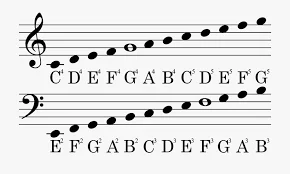
Musical notes are symbols that represent musical sounds. Each note tells us two important things: what sound to make and how long to hold that sound. When we see a musical note on paper, it shows us exactly what to sing or play on an instrument. Different notes have different names, and they can be high sounds, low sounds, or sounds in between.
The Shape of Musical Notes

Musical notes come in different shapes, and each shape tells us something special. Some notes look like empty circles, some look like filled-in circles, and some have lines called stems attached to them. The shape of the note shows us how long to hold the sound. Some notes are held for a long time, while others are quick and short. Learning these shapes helps us read and understand music.
How Musical Notes Work
Musical notes work together to create songs and melodies. When we arrange different notes in order, they make tunes that we can recognize and enjoy. Each note has its own special sound, and when we combine high notes with low notes, fast notes with slow notes, we create music that can make us feel happy, sad, excited, or calm. Musicians all over the world use the same musical notes, so they can share music with each other.
Class Exercises
Exercise 1: Note recognition activity. Look at pictures of different musical notes and observe their shapes. Notice which ones have stems, which ones are filled in, and which ones are empty.
Exercise 2: Musical note drawing. Practice drawing basic note shapes in your music notebook. Start with simple circles, then add stems to make different types of notes.
Exercise 3: High and low sounds game. Listen to different musical sounds and identify whether each note is high like a bird singing or low like a big drum beating.
Exercise 4: Note matching exercise. Match different musical note symbols with their names. Connect the whole note, half note, and quarter note to their correct symbols.
Exercise 5: Create a simple melody. Arrange different musical notes in a row to create your own simple tune. Draw the notes and try to sing your melody.
Evaluation
Pupils will identify basic musical note shapes and explain that notes represent both sounds and lengths in music. They will demonstrate understanding through drawing and recognition activities.
Assignment
Listen to your favorite song at home and try to notice when the music has high notes and low notes. Also notice when some parts of the song are fast and some parts are slow. Write down the name of the song and describe what you heard about the different sounds and speeds.
This term's Cultural & Creative Arts topics
Basic 3 Third Term · 8 topics
Third Term Cultural & Creative Arts (CCA) Lesson Notes for Other Topics
Creating a Drama Sketch from a Story
Read the full lesson note.
Types of Lines and Uses of Lines
Read the full lesson note.
Musical Notes - Values and Rest Signs
Read the full lesson note.
Drawing
Read the full lesson note.
Methods of Moulding Objects
Read the full lesson note.
Introduction to Recorder Playing
Read the full lesson note.
Fashion Accessories - Singing Songs About Wearing Clothes
Read the full lesson note.
Definition of Music
Read the full lesson note.

Mode of Greeting
Read the full lesson note.
Element of Design
Read the full lesson note.
Definition of Drama and Theatre
Read the full lesson note.

Definition of Dance
Read the full lesson note.
Impersonation
Read the full lesson note.

Melodic Patterns Of Traditional Song
Read the full lesson note.

The Bass Staff
Read the full lesson note.
Lesson Notes for Other Classes

Basic 1 Lesson Note
The complete lesson note to guide your studies.
Basic 2 Lesson Note
The complete lesson note to guide your studies.
Basic 4 Lesson Note
The complete lesson note to guide your studies.
Basic 5 Lesson Note
The complete lesson note to guide your studies.
Basic 6 Lesson Note
The complete lesson note to guide your studies.

JSS1 Lesson Note
The complete lesson note to guide your studies.