Musical Notes: Values and Rest Signs – Basic 3 Cultural & Creative Arts Lesson Note (Third Term)
Download Lesson NoteLesson note at a glance
- Subject
- Cultural & Creative Arts
- Class
- Basic 3
- Term
- Third Term
- Topic
- Musical Notes: Values and Rest Signs
- Order
- Topic 4 of 8 this term
- Reading time
- 3 min
Class: Primary 3
Subject: Cultural and Creative Art
Topic: Musical Notes – Values and Rest Signs
Duration: 35 minutes
Learning Objectives
By the end of this lesson, pupils will be able to identify different note values and rest signs, and understand how they control the timing of music.
Introduction
In music, we need to know not only what sounds to make, but also how long to make them and when to be silent. Musical note values tell us how long each sound should last, while rest signs tell us when to be quiet. Together, they help create the rhythm and timing that makes music beautiful and organized.
Main Content
Musical Note Values
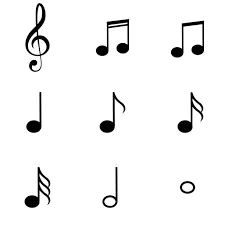
Different musical notes have different values that show us how long to hold each sound.
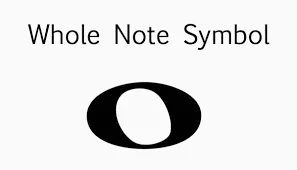
A whole note looks like an empty circle and is held for four counts, making it the longest note.
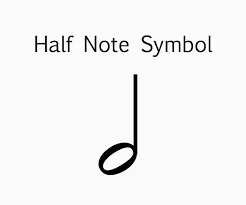
A half note looks like an empty circle with a stem and lasts for two counts.
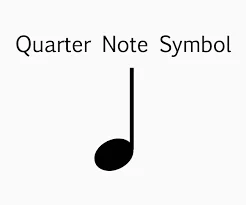
A quarter note looks like a filled circle with a stem and gets one count.
An eighth note looks like a quarter note but has a flag and gets half a count, making it very quick.

Understanding Rest Signs
Rest signs are symbols that tell us when to be silent in music. Just like musical notes, rests have different values that show how long the silence should last. A whole rest looks like a small black rectangle hanging from a line and means silence for four counts. A half rest looks like a small black rectangle sitting on a line and means silence for two counts. A quarter rest looks like a squiggly line and means silence for one count.
How Notes and Rests Work Together
Musical notes and rest signs work together to create rhythm and make music interesting. When we combine sounds with silences, we create patterns that our ears can follow and enjoy. The rests give music space to breathe and help separate different parts of a song. Without rests, music would sound crowded and hard to understand. Learning to count both notes and rests helps us play and sing music correctly.
Class Exercises
Exercise 1: Note value identification. Look at different musical notes and name their values. Point to whole notes, half notes, quarter notes, and eighth notes and say how many counts each one gets.
Exercise 2: Rest sign recognition. Study pictures of different rest signs and match each rest to its correct value. Connect whole rests, half rests, and quarter rests to their counting values.
Exercise 3: Clapping and silence exercise. Clap for note values and stay silent for rest values. Practice: clap-clap-silence-clap using quarter notes and quarter rests.
Exercise 4: Draw notes and rests. Practice drawing each type of note and its matching rest sign in your music notebook. Make sure the shapes are clear and correct.
Exercise 5: Create rhythm patterns. Make up simple rhythm patterns using both notes and rests. Try: quarter note, quarter note, quarter rest, quarter note. Clap your pattern for the class.
Evaluation
Pupils will correctly identify different note values and rest signs, and demonstrate understanding by clapping rhythms that include both sounds and silences.
Assignment
Practice counting and clapping simple rhythm patterns at home using note values and rests. Create one rhythm pattern that uses quarter notes and quarter rests, and practice it until you can do it smoothly. Be ready to perform your rhythm for the class.
This term's Cultural & Creative Arts topics
Basic 3 Third Term · 8 topics
Third Term Cultural & Creative Arts (CCA) Lesson Notes for Other Topics

Creating a Drama Sketch from a Story
Read the full lesson note.
Types of Lines and Uses of Lines
Read the full lesson note.
Musical Notes
Read the full lesson note.
Drawing
Read the full lesson note.
Methods of Moulding Objects
Read the full lesson note.
Introduction to Recorder Playing
Read the full lesson note.

Fashion Accessories - Singing Songs About Wearing Clothes
Read the full lesson note.

Definition of Music
Read the full lesson note.

Mode of Greeting
Read the full lesson note.
Element of Design
Read the full lesson note.
Definition of Drama and Theatre
Read the full lesson note.

Definition of Dance
Read the full lesson note.
Impersonation
Read the full lesson note.

Melodic Patterns Of Traditional Song
Read the full lesson note.

The Bass Staff
Read the full lesson note.
Lesson Notes for Other Classes

Basic 1 Lesson Note
The complete lesson note to guide your studies.

Basic 2 Lesson Note
The complete lesson note to guide your studies.

Basic 4 Lesson Note
The complete lesson note to guide your studies.

Basic 5 Lesson Note
The complete lesson note to guide your studies.
Basic 6 Lesson Note
The complete lesson note to guide your studies.

JSS1 Lesson Note
The complete lesson note to guide your studies.