Types of Lines and Uses of Lines – Basic 3 Cultural & Creative Arts Lesson Note (Third Term)
Download Lesson NoteLesson note at a glance
- Subject
- Cultural & Creative Arts
- Class
- Basic 3
- Term
- Third Term
- Topic
- Types of Lines and Uses of Lines
- Order
- Topic 2 of 8 this term
- Reading time
- 3 min
Class: Primary 3
Subject: Cultural and Creative Art
Topic: Types of Lines and Uses of Lines
Duration: 35 minutes
Learning Objectives
By the end of this lesson, pupils will be able to identify different types of lines and explain how each type of line can be used in artwork.
Introduction
Lines are everywhere around us and they are the most basic element in art. Every drawing starts with lines, and different types of lines can create different feelings and effects in our artwork. Today we will learn about the various types of lines and discover the many ways we can use them in our drawings and designs.
Main Content
Different Types of Lines
There are many types of lines that we can draw, and each one has its own special look and purpose.
- Straight lines go in one direction without bending and look strong and neat.

- Curved lines bend and flow smoothly like a river or a smile.
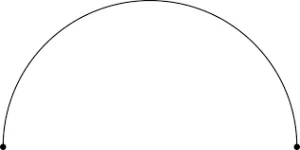
- Zigzag lines go up and down in sharp points like lightning or mountain peaks.

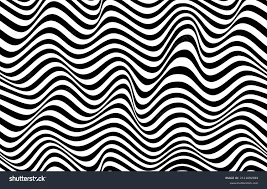
- Wavy lines move up and down gently like ocean waves.
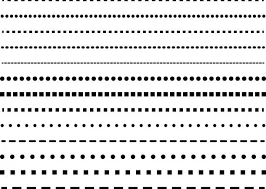
- Broken or dotted lines are made up of small pieces with spaces in between.
Thickness and Direction of Lines
Lines can also be thick or thin, which changes how they look and feel.
Thick lines look bold and strong,

while thin lines look delicate and light.
Lines can go in different directions too.
- Horizontal lines go from side to side and make us think of calm things like the horizon.
Vertical lines go up and down and look tall and strong like trees.
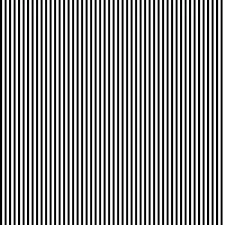
Diagonal lines slant and can make artwork look exciting and full of movement.

How We Use Different Lines
Each type of line helps us draw different things and create different feelings in our artwork. We use straight lines to draw houses, buildings, and boxes. Curved lines help us draw people, animals, flowers, and clouds. Wavy lines are perfect for drawing water, hair, and grass blowing in the wind. Zigzag lines can show lightning, mountains, or the teeth of a crocodile. We can also use different lines to create patterns and textures that make our artwork more interesting.
Class Exercises
Exercise 1: Line identification practice. Look at pictures around the classroom and point out different types of lines you can see. Name each type of line you find.
Exercise 2: Line drawing workshop. Practice drawing each type of line across your paper. Make straight lines, curved lines, zigzag lines, wavy lines, and dotted lines.
Exercise 3: Thick and thin line exploration. Draw the same wavy line in three different thicknesses. Notice how the thickness changes the way the line looks and feels.
Exercise 4: Line direction activity. Draw horizontal lines to show calm water, vertical lines to show tall grass, and diagonal lines to show rain falling.
Exercise 5: Create a line picture. Use different types of lines to draw a simple landscape. Use straight lines for houses, wavy lines for clouds, and curved lines for hills.
Evaluation
Pupils will demonstrate their understanding by correctly identifying different types of lines and using appropriate lines to draw specific objects. They will show mastery through their line drawings and explanations.
Assignment
Go on a line hunt at home. Look for different types of lines in objects around your house like furniture, decorations, or in nature outside. Draw five different lines you find and write next to each one what object it came from. Bring your line collection to share in the next class.
This term's Cultural & Creative Arts topics
Basic 3 Third Term · 8 topics
Third Term Cultural & Creative Arts (CCA) Lesson Notes for Other Topics
Creating a Drama Sketch from a Story
Read the full lesson note.
Musical Notes
Read the full lesson note.
Musical Notes - Values and Rest Signs
Read the full lesson note.
Drawing
Read the full lesson note.
Methods of Moulding Objects
Read the full lesson note.
Introduction to Recorder Playing
Read the full lesson note.
Fashion Accessories - Singing Songs About Wearing Clothes
Read the full lesson note.
Definition of Music
Read the full lesson note.

Mode of Greeting
Read the full lesson note.
Element of Design
Read the full lesson note.
Definition of Drama and Theatre
Read the full lesson note.

Definition of Dance
Read the full lesson note.
Impersonation
Read the full lesson note.

Melodic Patterns Of Traditional Song
Read the full lesson note.

The Bass Staff
Read the full lesson note.
Lesson Notes for Other Classes

Basic 1 Lesson Note
The complete lesson note to guide your studies.
Basic 2 Lesson Note
The complete lesson note to guide your studies.

Basic 4 Lesson Note
The complete lesson note to guide your studies.
Basic 5 Lesson Note
The complete lesson note to guide your studies.
Basic 6 Lesson Note
The complete lesson note to guide your studies.

JSS1 Lesson Note
The complete lesson note to guide your studies.