
Costume and Make-up in Drama Basic 3 Cultural & Creative Arts (CCA) Lesson Note
Download Lesson NoteTopic: Costume and Make-up in Drama
Class: Primary 3
Subject: Cultural and Creative Art
Topic: Costume and Make-up in Drama
Duration: 40 minutes
Learning Objectives
By the end of this lesson, pupils will be able to explain the importance of costumes and make-up in drama and create simple character looks.
Introduction
When actors perform in plays, they need to look like the characters they are playing. Costumes are the special clothes actors wear, and make-up helps change how their faces look. Together, costumes and make-up help the audience believe that the actor has become a different person or character.
Main Content
What Are Costumes in Drama?
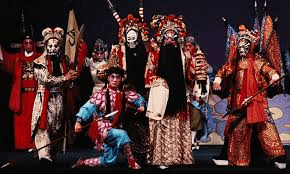
Costumes are the clothes and accessories that actors wear during a play to show what character they are playing. If an actor is playing a king, they might wear a crown and royal robes. If they are playing a farmer, they might wear simple clothes and a hat. Costumes help the audience understand who each character is without anyone having to explain it. They also help the actors feel like they have become their characters.
The Role of Make-up in Drama
Make-up is used to change how an actor’s face looks so they can become their character better. Simple make-up can make someone look older, younger, or like a different type of person. For example, we can use make-up to create rosy cheeks for a healthy character or dark circles under the eyes for a tired character. Make-up can also be used to create fantasy characters like animals or magical creatures.
How Costumes and Make-up Work Together
Costumes and make-up work as a team to create believable characters. When both are used well, they help tell the story and make the play more interesting to watch. Simple items like hats, scarves, or face paint can completely change how someone looks. Even in school plays, basic costumes and simple make-up can make our performances much more exciting and help everyone understand the story better.
Class Exercises
Exercise 1: Character costume planning. Choose a character like a doctor, teacher, or animal. List three items of clothing or accessories that would help someone look like that character.
Exercise 2: Simple make-up practice. Using safe materials like colored pencils on paper, design face make-up for different characters. Show how to make someone look happy, sad, or surprised.
Exercise 3: Quick costume transformation. Use classroom items like scarves, hats, or jackets to transform into different characters. Show how your costume changes who you appear to be.
Exercise 4: Character recognition game. Students wear simple costume pieces or face drawings, and others guess what character they are supposed to be.
Exercise 5: Plan a character look. Choose a character from a familiar story and plan both their costume and make-up. Draw your ideas and explain how they help show the character’s personality.
Evaluation
Pupils will demonstrate understanding by explaining how costumes and make-up help create characters in drama. They will also show creativity in planning simple character transformations.
Assignment
Look at characters in movies, TV shows, or storybooks at home. Choose one character and write down three costume items and two make-up ideas that help make that character look special. Draw your ideas and be ready to share how these choices help tell the story.
Second Term Cultural & Creative Arts (CCA) Lesson Notes for Other Topics

Introduction to Modelling: Making Objects with Paper Mache
Explore lesson notes covering all topics.

Traditional Fabrics and Dresses
Explore lesson notes covering all topics.

Singing Tonic Solfa of Twinkle Twinkle Little Star and Matching Songs
Explore lesson notes covering all topics.

Musical Notes and Their Values
Explore lesson notes covering all topics.

Methods of Modelling Objects with Clay Plastering
Explore lesson notes covering all topics.

Importance of Traditional Dresses
Explore lesson notes covering all topics.

Musical Notes: Rhythmic Clapping
Explore lesson notes covering all topics.

Fashion Accessories
Explore lesson notes covering all topics.

Musical Notes - Introduction to Notation
Explore lesson notes covering all topics.
Mosaic
Explore lesson notes covering all topics.
Forms of Dance
Explore lesson notes covering all topics.
Choral Singing
Explore lesson notes covering all topics.
Care of Tools and Equipment used in Performing Arts and Entertainment
Explore lesson notes covering all topics.

Play
Explore lesson notes covering all topics.
Introduction to Play Production
Explore lesson notes covering all topics.
Lesson Notes for Other Classes
Basic 1 Lesson Note
The complete lesson note to guide your studies.

Basic 2 Lesson Note
The complete lesson note to guide your studies.

Basic 4 Lesson Note
The complete lesson note to guide your studies.
Basic 5 Lesson Note
The complete lesson note to guide your studies.
Basic 6 Lesson Note
The complete lesson note to guide your studies.

JSS1 Lesson Note
The complete lesson note to guide your studies.