
Community – Basic 2 Civic Education Lesson Note (Second Term)
Download this term · ₦1,000Lesson note at a glance
- Subject
- Civic Education
- Class
- Basic 2
- Term
- Second Term
- Topic
- Community
- Order
- Topic 1 of 8 this term
- Reading time
- 3 min

Learning Objectives:
By the end of this lesson, pupils should be able to:
- Explain the meaning of a community
- Identify types of community with examples
- Describe the various types of community
Lesson Content:
What is a Community? A community is a group of people who live together in the same place and share things in common. They help each other and work together to make their area a better place to live.
Examples of Communities:
- Your neighborhood where you live
- Your school and everyone in it
- Your village or town
- People who worship in the same church or mosque
Types of Community:
- RURAL COMMUNITY (Village Community):

- Found in villages and countryside
- People mostly do farming and fishing
- Houses are usually far from each other
- They have traditional rulers like chiefs
- People know each other very well
- Examples: Farming villages, fishing communities
Characteristics of Rural Communities:
- Fresh air and clean environment
- People grow their own food
- Traditional ways of doing things
- Strong family relationships
- Fewer cars and buildings
- URBAN COMMUNITY (City Community):
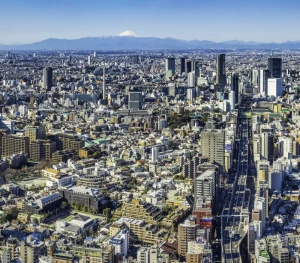
- Found in big cities and towns
- People do different types of jobs
- Many houses close to each other
- Modern facilities like hospitals and schools
- Many cars, buses, and buildings
- Examples: Lagos, Abuja, Kano, Port Harcourt
Characteristics of Urban Communities:
- Many people living close together
- Tall buildings and busy roads
- Different types of work
- Modern hospitals and schools
- Shopping malls and markets
- MODERN COMMUNITIES/INSTITUTIONS:
School Community:
- Made up of students, teachers, and staff
- Everyone works together for learning
- Has rules that everyone follows
- Principal is the leader
- Examples: Your school, other schools
Members of School Community:
- Students (pupils like you)
- Teachers and headteacher
- School workers (cleaners, security, cooks)
- Parents and visitors
Religious Community:
- People who worship together
- Share the same beliefs
- Help each other
- Examples: Church congregation, mosque community
Professional Community:
- People who do the same type of work
- Teachers, doctors, farmers working together
- Share ideas and help each other
- Examples: Teachers’ association, doctors’ group
Sports Community:

- People who play the same sports
- Train and compete together
- Support each other
- Examples: Football club, athletics group
Class Activity:
Draw pictures of rural and urban communities. Let pupils identify which type of community they live in and describe what they see around their homes.
Week 2 multiple choice exercise:
Choose the correct answer:
- A community is: a) One person living alone b) A group of people living together in the same place c) Animals in the forest
- Rural communities are found in: a) Big cities b) Villages and countryside c) Shopping malls
- In rural communities, people mostly do: a) Banking and office work b) Farming and fishing c) Factory work
- Urban communities have: a) Only traditional houses b) Many tall buildings and busy roads c) Only farms
- Your school is an example of: a) Rural community b) Urban community c) Modern community/institution
- Members of school community include: a) Only students b) Students, teachers, and staff c) Only teachers
- In urban communities, you will find: a) Only farms b) Hospitals, schools, and shopping malls c) Only forests
- People in communities: a) Never help each other b) Help each other and work together c) Always fight
Answers: 1(b), 2(b), 3(b), 4(b), 5(c), 6(b), 7(b), 8(b)
This term's Civic Education topics
Basic 2 Second Term · 8 topics
Get Civic Education as PDF and Word
Every week of Basic 2 Civic Education, Second Term, formatted and ready to print. Ad-free, and the copy lock comes off.
Get this term Card, bank transfer, USSD or OPay
Basic 2 Civic Education Lesson Notes for Other Topics

Meaning And Importance Of Greeting Members Of The Community
Read the full lesson note.
Rules In The Community
Read the full lesson note.
Community Leaders
Read the full lesson note.
Roles Of Community Leaders
Read the full lesson note.
Qualities Of A Community Leader
Read the full lesson note.

Kinds Of Work In Our Community
Read the full lesson note.
Conscience
Read the full lesson note.
Importance Of Civic Education
Read the full lesson note.
Why Study Civic Education
Read the full lesson note.

Components Of Civic Education
Read the full lesson note.
Importance Of Civic Education To Development
Read the full lesson note.
Importance Of Civic Education To Development 2
Read the full lesson note.

Honesty
Read the full lesson note.
Courtesy, Politeness, And Etiquette
Read the full lesson note.
Community Leadership In Nigeria Traditional Setting
Read the full lesson note.
Lesson Notes for Other Classes

Basic 1 Lesson Note
The complete lesson note to guide your studies.

Basic 3 Lesson Note
The complete lesson note to guide your studies.

Basic 4 Lesson Note
The complete lesson note to guide your studies.

Basic 5 Lesson Note
The complete lesson note to guide your studies.

Basic 6 Lesson Note
The complete lesson note to guide your studies.
