
Ihe Eji Esi Ofe (Things Used to Cook Soup) – Basic 1 Igbo Lesson Note (Third Term)
Lesson note at a glance
- Class
- Basic 1
- Subject
- Igbo
- Term
- Third Term
- Reading time
- 3 min
Ihe Oriri (Food Ingredients)
Akwụkwọ Nri (Vegetables)
- Onugbu – Bitter leaf

- Ọha – Oha leaves
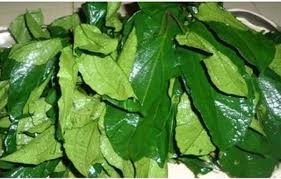
- Ugu – Pumpkin leaves/fluted pumpkin
- Nchuanwu – Scent leaves
- Nkwọnkwọ – Garden egg leaves
- Okwu – Okra
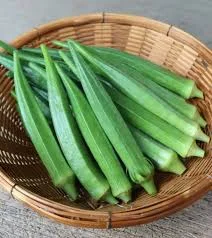
- Akwụkwọ – General term for vegetables
Anụ na Azụ (Meat and Fish)
- Anụ ehi – Beef
- Anụ ewu – Goat meat
- Anụ ọkụkọ – Chicken
- Azụ – Fish
- Ise – Stockfish
- Okpoko – Dry fish
- Nkịta – Snail
Nnu na Ncha (Salt and Seasonings)
- Nnu – Salt
- Ose – Pepper
- Yabassi – Locust beans
- Maggi – Seasoning cubes
- Ose nkịrịkịrị – Ground pepper
- Albasa – Onions
- Galic – Garlic
Mmanụ (Oil)
- Mmanụ nkwụ – Palm oil
- Mmanụ groundnut – Groundnut oil
- Mmanụ ọjị – Palm kernel oil
Ngwa Nri (Cooking Utensils)
Ihe E Ji Esi Nri (Things Used for Cooking)
- Ite – Pot
- Ite ukwu – Big pot
- Ite nta – Small pot
- Ọkụ – Fire/stove
- Nkụ – Firewood
- Gas – Gas cooker
Ngwa Ndị Ọzọ (Other Tools)
- Mma – Knife
- Ọsụ osisi – Wooden spoon
- Osisi ntụgharị – Stirring stick
- Efere – Plate
- Ite mmiri – Water pot
- Akpa – Mortar
Ụdị Ofe (Types of Soup)
Ofe Ama Ama (Popular Soups)
- Ofe onugbu – Bitter leaf soup
- Ofe ọha – Oha soup
- Ofe nsala – White soup
- Ofe akwu – Palm nut soup
- Ofe ogbono – Ogbono soup
- Ofe okra – Okra soup
- Ofe owerri – Owerri soup
Ihe A Na-etinye n’Ofe (What Goes into Soup)
N’ofe onugbu:
- Onugbu, anụ, azụ, mmanụ nkwụ, nnu, ose
N’ofe nsala:
- Anụ ọkụkọ, nkịta, yabassi, nnu, ose
N’ofe ogbono:
- Ogbono, anụ, azụ, mmanụ, akwụkwọ
Usoro Esi Ofe (Steps in Cooking Soup)
Usoro Izizi (Preparation Steps)
- Saa akwụkwọ nri – Wash vegetables
- Bee anụ – Cut meat
- Saa azụ – Wash fish
- Bee yabassi – Slice locust beans
- Gbanyụọ ọkụ – Light the fire
Usoro Isi Ofe (Cooking Steps)
- Tinye mmanụ n’ite – Put oil in pot
- Tinye anụ – Add meat
- Tinye mmiri – Add water
- Tinye nnu na ose – Add salt and pepper
- Tinye akwụkwọ nri – Add vegetables
- Kpalie nke ọma – Stir well
Expressions About Cooking (Okwu Banyere Isi Nri)
Common Phrases
- Nne na-esi ofe – Mother is cooking soup
- Ofe a na-esi n’ọkụ – Soup is cooked on fire
- Tinye nnu ntakịrị – Add a little salt
- Ofe adịla – Soup is ready
- Ofe a dị ụtọ – This soup is sweet
Exercises
Exercise 1: Name the ingredients for these soups
- Ofe onugbu needs: _______, _______, _______
- Ofe nsala needs: _______, _______, _______
- Ofe ogbono needs: _______, _______, _______
Exercise 2: Match the utensil to its use
- Ite → For cutting
- Mma → For cooking soup
- Ọsụ osisi → For lighting
- Ọkụ → For stirring
Exercise 3: Complete the cooking steps
- Mbụ, _______ akwụkwọ nri (First, wash vegetables)
- Mgbe ahụ, _______ anụ (Then, cut meat)
- Tinye _______ n’ite (Put oil in pot)
- _______ nke ọma (Stir well)
Exercise 4: Answer these questions
- Kedu ihe nne gị na-etinye n’ofe onugbu? (What does your mother put in bitter leaf soup?) Answer: _______________
- Kedu ngwa e ji esi ofe? (What tools are used to cook soup?) Answer: _______________
- Kedu ofe ị kacha hụrụ n’anya? (Which soup do you like most?) Answer: _______________
Exercise 5: True or False
- A na-eji mma bee anụ ( )
- A na-etinye ice cream n’ofe onugbu ( )
- Mmanụ nkwụ dị mkpa n’ofe Igbo ( )
- A na-eji osisi ntụgharị kpalie ofe ( )
Class Work
Soup Recipe Activity: Students work in groups to list ingredients for their favorite soup and share with the class.
Kitchen Tools Identification: Show pictures of cooking utensils and students name them in Igbo.
Cultural Connection (Njikọ Omenala)
- Different families have special soup recipes
- Soup cooking is often done by women and girls
- Some vegetables are seasonal
- Traditional cooking methods vs. modern methods
Safety in the Kitchen (Nchekwa na Kichin)
- Always wash hands before cooking
- Be careful with sharp knives
- Adults should handle hot pots
- Wash vegetables thoroughly
Homework
- Help your mother prepare one vegetable for soup this week
- Ask your grandmother about traditional soup recipes
- Draw and label 5 things used in cooking soup
This term's Igbo topics
Basic 1 Third Term · 12 topics
- Mmughari Ihe E Lere N’ule
- Ogugu: Eserese Ihe Di N’ulo Akwukwo
- Ogugu: Eserese Ihe Di N’ulo Obibi Ama
- Ije Eserese Dee Mkpuruedemede (Abidii)
- Ezi Agwa
- Odide Mkpuruedemede (Abidii)
- Odide Udaume
- Oru Diiri Onye O Bula N’Ezinuulo
- Eserese Na Ide Aha Nri
- Mmughari Ihe E Mere Na Taam
- Ihe Eji Esi Ofe (Things Used to Cook Soup)
- Agwugwu Dị Mfe (Gwam Gwam Gwam): Simple Riddles
Get Igbo as PDF and Word
Every week of Basic 1 Igbo, Third Term, formatted and ready to print. Ad-free, and the copy lock comes off.
Get this term Card, bank transfer, USSD or OPay
Instant PDF and Word download · Secure Paystack payment · Questions? WhatsApp us
Basic 1 Igbo Lesson Notes for Other Topics
Mmughari Ihe E Lere N'ule
Read the full lesson note.
Ogugu - Eserese Ihe Di N'ulo Akwukwo
Read the full lesson note.

Ogugu - Eserese Ihe Di N'ulo Obibi Ama
Read the full lesson note.

Ije Eserese Dee Mkpuruedemede (Abidii)
Read the full lesson note.

Ezi Agwa
Read the full lesson note.
Odide Mkpuruedemede (Abidii)
Read the full lesson note.
Odide Udaume
Read the full lesson note.
Oru Diiri Onye O Bula N'Ezinuulo
Read the full lesson note.
Eserese Na Ide Aha Nri
Read the full lesson note.
Mmughari Ihe E Mere Na Taam
Read the full lesson note.
Agwugwu Dị Mfe (Gwam Gwam Gwam) - Simple Riddles
Read the full lesson note.
Ekwumekwu - Ikpogasi Ihe Aha
Read the full lesson note.
Ekwumekwu
Read the full lesson note.
Abu Umuaka
Read the full lesson note.

Ekele
Read the full lesson note.
Lesson Notes for Other Classes

Basic 2 Lesson Note
The complete lesson note to guide your studies.

Basic 3 Lesson Note
The complete lesson note to guide your studies.

Basic 4 Lesson Note
The complete lesson note to guide your studies.

Basic 5 Lesson Note
The complete lesson note to guide your studies.
Basic 6 Lesson Note
The complete lesson note to guide your studies.
