
Body Make-up Materials – Basic 1 Cultural & Creative Arts Lesson Note (Third Term)
Download this term · ₦1,000Lesson note at a glance
- Subject
- Cultural & Creative Arts
- Class
- Basic 1
- Term
- Third Term
- Topic
- Body Make-up Materials
- Order
- Topic 7 of 9 this term
- Reading time
- 3 min
Local make-up materials are natural things from plants and minerals that people use to beautify the body. Our ancestors used them and they are still used today. Examples are laali (henna), tiro (kohl), osun (camwood), shea butter and black soap, with beads, flowers, feathers and cowries as decorations.
Behavioural objectives
By the end of the lesson, students should be able to:
- name the parts of the body that can be beautified
- say what local make-up is
- name five local make-up materials and say what each is used for
- state two differences between modern and local make-up
- state the benefits of local make-up
Which parts of the body can we beautify?
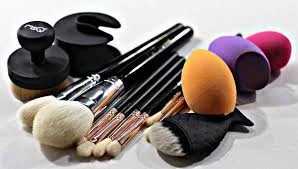
- Face (eyes, cheeks, lips)
- Hair
- Hands (nails, palms)
- Feet (toenails)
- Body (arms, neck)
What is local make-up?
- Local make-up uses natural materials.
- Our ancestors used these materials.
- They come from plants and minerals.
- They are still used today.
What are the traditional make-up materials?
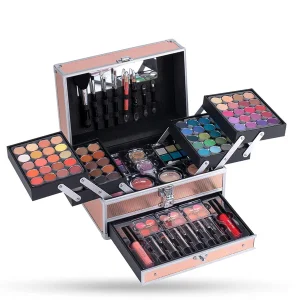
1. Laali (henna)
- Made from henna leaves
- Used to decorate hands and feet
- Creates brown or orange patterns
- Used for weddings and celebrations
- Lasts for many days
2. Tiro/Kwalli (black kohl)
- Natural black powder
- Used around the eyes
- Makes eyes look beautiful
- Protects eyes from the sun
3. Osun/camwood
- Red powder from a tree
- Used on skin and face
- Makes skin glow
- Smells nice
4. Shea butter (Ori)
- Natural cream from shea nuts
- Makes skin soft and smooth
- Protects skin from the sun
- Can be used on lips and body
5. Black soap (Ose Dudu)
- Made from plantain peels and palm oil
- Cleanses the skin
- Makes skin healthy
- All natural
6. Natural decorations
- Beads: for neck, waist, wrists and ankles
- Flowers: for hair
- Feathers: for special occasions
- Cowries: shells used in traditional decoration
What is the difference between modern and local make-up?
| Point | Modern make-up | Local make-up |
|---|---|---|
| Where to get it | Bought from shops | Found in nature or local markets |
| How it is made | Made in factories | Made from natural things |
| Cost | More expensive | Less expensive |
| Other points | Comes in bottles and tubes | More natural for skin |
How do we beautify the face, hands and hair?
For the face
- Wash the face with black soap.
- Apply shea butter.
- Add osun powder (optional).
- Apply tiro around the eyes.
For the hands
- Wash the hands.
- Apply henna designs.
- Let it dry.
- Wash off to reveal the pattern.
For the hair
- Braid or style nicely.
- Add beads or flowers.
- Make it neat and beautiful.
What are the benefits of local make-up?
- Natural and safe
- Part of our culture
- Gentle on skin
- Affordable
- Keeps traditions alive
Evaluation
Multiple choice exercise. Choose the correct answer.
- Local make-up uses _____ materials.
- a) plastic
- b) natural
- c) metal
- Laali is used to decorate _____.
- a) houses
- b) hands and feet
- c) cars
- Shea butter makes skin _____.
- a) rough
- b) soft
- c) hard
- Tiro is used around the _____.
- a) feet
- b) eyes
- c) stomach
- Osun powder is _____ in colour.
- a) red
- b) blue
- c) white
Assignment
- Draw hands with henna designs.
- Ask your mother about the local make-up she uses.
- Find one local make-up material at home.
- Write: Local make-up is natural.
This term's Cultural & Creative Arts topics
Basic 1 Third Term · 9 topics
Get Cultural & Creative Arts (CCA) as PDF and Word
Every week of Basic 1 Cultural & Creative Arts (CCA), Third Term, formatted and ready to print. Ad-free, and the copy lock comes off.
Get this term Card, bank transfer, USSD or OPay
Third Term Cultural & Creative Arts (CCA) Lesson Notes for Other Topics

Music as a Tool for Recording
Read the full lesson note.

Types of Dance
Read the full lesson note.

Colours: Primary and National Colours
Read the full lesson note.
Body Make-up (Continued)
Read the full lesson note.

Body Make-up: Parts and Materials
Read the full lesson note.

Singing: Ear Training Using Tonic Sol-Fa
Read the full lesson note.

Drawing of Different Weaving Items
Read the full lesson note.
Ceremonies
Read the full lesson note.

Creating a Drama Sketch from a Story
Read the full lesson note.

Types of Lines and Uses of Lines
Read the full lesson note.

Musical Notes
Read the full lesson note.

Musical Notes - Values and Rest Signs
Read the full lesson note.

Drawing
Read the full lesson note.
Methods of Moulding Objects
Read the full lesson note.
Introduction to Recorder Playing
Read the full lesson note.
Lesson Notes for Other Classes

Basic 2 Lesson Note
The complete lesson note to guide your studies.
Basic 3 Lesson Note
The complete lesson note to guide your studies.

Basic 4 Lesson Note
The complete lesson note to guide your studies.

Basic 5 Lesson Note
The complete lesson note to guide your studies.

Basic 6 Lesson Note
The complete lesson note to guide your studies.

JSS1 Lesson Note
The complete lesson note to guide your studies.


