
Body Make-up (Continued) – Basic 1 Cultural & Creative Arts Lesson Note (Third Term)
Download this term · ₦1,000Lesson note at a glance
- Subject
- Cultural & Creative Arts
- Class
- Basic 1
- Term
- Third Term
- Topic
- Body Make-up (Continued)
- Order
- Topic 5 of 9 this term
- Reading time
- 2 min
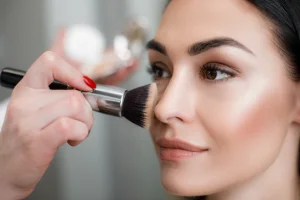
Body make-up is the use of powder, lip colour, nail paint and decorations to make us look nice. There are four types: everyday, special occasion, traditional and stage make-up. People wear it for beauty, confidence, cultural identity, celebration, expression and protection. We wash it off at the end of the day.
Behavioural objectives
By the end of the lesson, students should be able to:
- name four types of make-up
- give reasons why people wear make-up
- list the simple steps for applying make-up
- say how to take care of the skin after make-up
- describe traditional body decoration
What are the types of make-up?
1. Everyday make-up
- Simple and light
- Used for school or normal days
- Just powder and lip balm
- Natural look
2. Special occasion make-up
- For parties, weddings and ceremonies
- More colourful
- Takes more time
- Looks very beautiful
3. Traditional make-up

- Uses natural materials
- For cultural events
- Includes body painting
- Very colourful patterns
4. Stage or performance make-up
- For drama and dance performances
- Very bold and bright
- Helps the audience see expressions
- Washes off after the performance
Why do we wear make-up?
- Beauty: makes us look nice
- Confidence: makes us feel good
- Cultural identity: shows our tradition
- Celebration: for special events
- Expression: shows creativity
- Protection: some make-up protects the skin
How do we apply simple make-up?
Step 1: Preparation
- Wash your face with clean water
- Pat dry with a clean towel
- Apply cream to moisturise
Step 2: Application
- Apply powder gently on the face
- Add lip colour if needed
- Paint nails carefully
- Add decorations (beads, flowers)
Step 3: Final touch
- Look in the mirror
- Make sure it looks neat
- Remove any mistakes
- Smile, you look beautiful!
How do we take care of our skin after make-up?
- Do not touch your face too much
- Be careful not to smudge it
- Wash it off at the end of the day
- Clean your skin properly
What is traditional body decoration?
- Some cultures paint bodies with patterns
- They use natural colours from plants
- They create beautiful designs
- It is important for festivals and ceremonies
Evaluation
Multiple choice exercise.
- Special occasion make-up is for _____.
- a) sleeping
- b) parties and weddings
- c) bathing
- Before applying make-up, we should _____ our face.
- a) dirty
- b) wash
- c) paint
- Stage make-up is for _____.
- a) performances
- b) cooking
- c) running
- Traditional make-up uses _____ materials.
- a) plastic
- b) natural
- c) metal
- Make-up makes us feel _____.
- a) sad
- b) confident
- c) sick
Assignment
- Draw someone with make-up on their face.
- Practise applying simple face powder (with a parent’s help).
- Tell the difference between everyday and special make-up.
- Write: Make-up makes us look beautiful.
This term's Cultural & Creative Arts topics
Basic 1 Third Term · 9 topics
Get Cultural & Creative Arts (CCA) as PDF and Word
Every week of Basic 1 Cultural & Creative Arts (CCA), Third Term, formatted and ready to print. Ad-free, and the copy lock comes off.
Get this term Card, bank transfer, USSD or OPay
Third Term Cultural & Creative Arts (CCA) Lesson Notes for Other Topics
Music as a Tool for Recording
Read the full lesson note.

Types of Dance
Read the full lesson note.
Body Make-up Materials
Read the full lesson note.
Colours: Primary and National Colours
Read the full lesson note.

Body Make-up: Parts and Materials
Read the full lesson note.

Singing: Ear Training Using Tonic Sol-Fa
Read the full lesson note.
Drawing of Different Weaving Items
Read the full lesson note.
Ceremonies
Read the full lesson note.

Creating a Drama Sketch from a Story
Read the full lesson note.
Types of Lines and Uses of Lines
Read the full lesson note.
Musical Notes
Read the full lesson note.
Musical Notes - Values and Rest Signs
Read the full lesson note.
Drawing
Read the full lesson note.
Methods of Moulding Objects
Read the full lesson note.
Introduction to Recorder Playing
Read the full lesson note.
Lesson Notes for Other Classes

Basic 2 Lesson Note
The complete lesson note to guide your studies.
Basic 3 Lesson Note
The complete lesson note to guide your studies.

Basic 4 Lesson Note
The complete lesson note to guide your studies.

Basic 5 Lesson Note
The complete lesson note to guide your studies.

Basic 6 Lesson Note
The complete lesson note to guide your studies.

JSS1 Lesson Note
The complete lesson note to guide your studies.


