What Is Water Transportation? – Basic 1 Basic Science Lesson Note (Third Term)
Download Lesson NoteLesson note at a glance
- Subject
- Basic Science
- Class
- Basic 1
- Term
- Third Term
- Topic
- What Is Water Transportation?
- Order
- Topic 6 of 9 this term
- Reading time
- 3 min
Learning Objectives:
By the end of the lesson, pupils should be able to:
- Name different water vehicles
- Say how water transport works
- Know safety rules for water travel
Introduction:
Hello children! We have learned about land and air transport. Today we will learn about vehicles that move on water. Have you ever seen a boat or ship?
Lesson Content:
What is Water Transportation?
- Water transportation uses vehicles that float on water
- These vehicles carry people and goods across rivers, lakes, and oceans
- They use engines, sails, or paddles to move
- Water transport is one of the oldest ways to travel
Types of Water Vehicles:
-
BOATS:
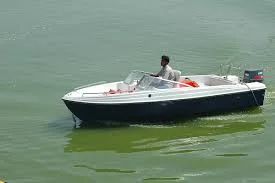
- Small water vehicles for few people
- Can be powered by engine, oars, or sails
- Used on rivers, lakes, and near shores
- Examples: fishing boats, pleasure boats, rowboats
- Can carry 2-20 people depending on size
-
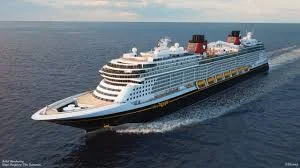
SHIPS:

- Very large water vehicles
- Can carry hundreds of people and lots of cargo
- Have powerful engines and many rooms
- Travel across oceans and seas
- Much bigger and stronger than boats
-
CANOES:
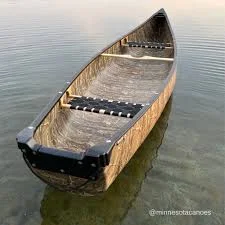
- Small, narrow boats
- Moved using paddles by hand
- Usually carry 1-4 people
- Made of wood, plastic, or metal
- Very light and easy to control
-
FERRIES:
- Special boats that carry cars and people
- Move back and forth between two places
- Have flat decks where cars can drive on
- Help people cross rivers or short water distances
- Run on regular schedules like buses
-
SUBMARINES:
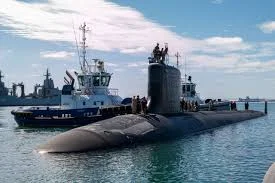
- Special vehicles that travel under water
- Used by navy and for ocean research
- Can dive deep below water surface
- Have special air systems for breathing
- Most people never travel in submarines
-
SPEEDBOATS:

- Fast boats with powerful engines
- Used for racing and quick trips
- Make loud noises and move very quickly
- Can jump over waves
- Used for water sports and emergencies
How Water Vehicles Work:
- Floating: Special shape helps them stay on top of water
- Engines: Motor pushes vehicle through water
- Steering: Rudder at back helps change direction
- Propeller: Spinning blades push water backward to move forward
Uses of Water Transportation:
- Carrying People: Ferries and passenger ships
- Moving Goods: Cargo ships carry containers
- Fishing: Fishing boats catch fish for food
- Recreation: Pleasure boats for fun and sports
- Emergency: Coast guard boats rescue people
- Exploration: Research ships study oceans
Safety Rules for Water Transport:
- Wear Life Jacket: Always put on life jacket before getting on boat
- Listen to Captain: Follow all instructions from boat driver
- Stay Seated: Do not run around on moving boat
- Hold Handrails: Keep holding railings when boat moves
- No Swimming: Do not jump into water without permission
- Adult Supervision: Always have grown-ups with you
Class Activity:
Children draw different water vehicles and sort them by size (small boats, medium boats, large ships).
Evaluation Questions:
- Name three types of water vehicles
- What is the difference between a boat and a ship?
- What should you always wear on a boat?
- How do boats stay on top of water?
- What moves a boat forward through water?
Assignment:
Ask your family if they have ever traveled on water. Draw your favorite water vehicle and write one safety rule for water travel.
This term's Basic Science topics
Basic 1 Third Term · 9 topics
Third Term Basic Science Lesson Notes for Other Topics
Simple Machines
Read the full lesson note.
Simple Machines - The Safe Use of Simple Machines
Read the full lesson note.
Concept of Technology
Read the full lesson note.
Technology in Home - Electric Gadgets
Read the full lesson note.
Technology in Transportation - Land and Air
Read the full lesson note.
Exploring Your Environment I
Read the full lesson note.
Exploring Your Environment II
Read the full lesson note.

Exploring Your Environment III
Read the full lesson note.
Animals - As Living Things (Characteristics)
Read the full lesson note.

Uses of Animals
Read the full lesson note.
Meaning and Characteristics of Plants
Read the full lesson note.

Meaning and Characteristics of Animals
Read the full lesson note.
Plants - As Living Things II
Read the full lesson note.
Uses of Plants
Read the full lesson note.
Meaning And Characteristics Of Plants
Read the full lesson note.
Lesson Notes for Other Classes
Basic 2 Lesson Note
The complete lesson note to guide your studies.
Basic 3 Lesson Note
The complete lesson note to guide your studies.
Basic 4 Lesson Note
The complete lesson note to guide your studies.
Basic 5 Lesson Note
The complete lesson note to guide your studies.
Basic 6 Lesson Note
The complete lesson note to guide your studies.

JSS1 Lesson Note
The complete lesson note to guide your studies.