Exploring Your Environment II – Basic 1 Basic Science Lesson Note (Third Term)
Download Lesson NoteLesson note at a glance
- Subject
- Basic Science
- Class
- Basic 1
- Term
- Third Term
- Topic
- Exploring Your Environment II
- Order
- Topic 8 of 9 this term
- Reading time
- 3 min
Learning Objectives:
By the end of the lesson, pupils should be able to:
- Name different types of roads
- Say what each type of road is used for
- Identify roads within and outside school
Introduction:
Hello children! Today we will continue exploring our environment. We will look at the roads we see every day. Roads help us move from one place to another safely.
Lesson Content:
What are Roads?
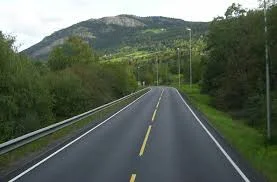
- Roads are paths made for vehicles and people to travel
- They are built with different materials like concrete or tar
- Roads connect one place to another
- Different types of roads serve different purposes
Types of roads within and outside school:
Roads within the school:

-
School Entrance Road:

- What it is: The road leading from the main gate to school buildings
- Material: Usually concrete or paved stones
- Width: Wide enough for school buses and cars
- Features: May have speed bumps to slow down vehicles
-
Internal School Paths:

- What they are: Small roads connecting different school buildings
- Material: Concrete, stones, or just sand
- Width: Narrow, mainly for walking
- Features: Often have drains on the sides
-
Parking Area Roads:
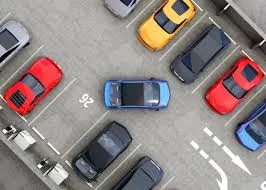
- What they are: Roads in the school parking area
- Material: Concrete or tar
- Width: Wide enough for cars to park
- Features: Marked spaces for different vehicles
-
Playground Access Paths:

- What they are: Small roads leading to sports areas
- Material: Often just packed earth or stones
- Width: Wide enough for students to walk
- Features: May have grass edges
Roads outside the school:
-
Local Streets:
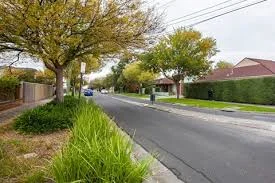
- What they are: Roads in the neighborhood around school
- Material: Tar, concrete, or sometimes just earth
- Width: Medium width for local traffic
- Features: Houses and shops line these roads
-
Main Roads:
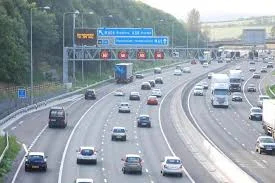
- What they are: Bigger roads connecting different areas
- Material: Usually tarred or concrete
- Width: Wide with lanes for different directions
- Features: Traffic lights and road signs
-
Highways:
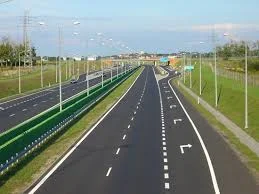
- What they are: Very big roads for long-distance travel
- Material: High-quality tar and concrete
- Width: Very wide with multiple lanes
- Features: Toll gates and service stations
-
Footpaths/Sidewalks:

- What they are: Special paths for people to walk
- Material: Concrete blocks or stones
- Width: Narrow, just for walking
- Features: Separate from vehicle roads for safety
Functions of each road:
Functions of school roads:
School Entrance Road:
- Allows school buses to enter safely
- Provides access for parents’ cars
- Helps delivery trucks bring supplies
- Creates safe entry and exit for students
Internal School Paths:
- Connect classrooms to other school areas
- Help students move between buildings
- Allow teachers to reach different departments
- Provide emergency exit routes
Parking Area Roads:
- Give teachers places to park cars
- Provide space for school buses
- Allow visitor parking
- Keep vehicles organized and safe
Playground Access Paths:
- Lead students safely to sports areas
- Allow equipment to be moved to fields
- Provide access during emergencies
- Connect recreational areas to main school
Functions of outside roads:
Local Streets:
- Help people reach their homes
- Allow children to walk to school
- Provide access to shops and markets
- Connect neighborhoods together
Main Roads:
- Carry traffic between different towns
- Allow public buses to travel
- Connect important places like hospitals
- Help emergency vehicles move quickly
Highways:
- Connect different cities and states
- Allow long-distance travel
- Carry heavy trucks with goods
- Provide fast travel for long journeys
Footpaths/Sidewalks:
- Keep pedestrians safe from vehicles
- Provide safe walking space
- Help people with disabilities move around
- Reduce accidents between cars and people
Road Safety Rules:
- Always use footpaths when walking
- Look both ways before crossing any road
- Cross at zebra crossings when available
- Hold adult’s hand when near roads
- Never play on roads – use playgrounds instead
- Obey traffic lights and road signs
Class Activity:
Take children on a supervised walk around school to identify different types of roads and paths. Let them observe and name the roads they see.
Evaluation Questions:
- Name two types of roads within the school
- What is the function of the school entrance road?
- Where should people walk to stay safe from cars?
- What type of road connects different cities?
- Why do we need different types of roads?
Assignment:
Draw a simple map showing the road from your home to school. Label the different types of roads you use. Write one function of each type of road you identified.
This term's Basic Science topics
Basic 1 Third Term · 9 topics
Third Term Basic Science Lesson Notes for Other Topics
Simple Machines
Read the full lesson note.
Simple Machines - The Safe Use of Simple Machines
Read the full lesson note.
Concept of Technology
Read the full lesson note.
Technology in Home - Electric Gadgets
Read the full lesson note.
Technology in Transportation - Land and Air
Read the full lesson note.
What Is Water Transportation?
Read the full lesson note.
Exploring Your Environment I
Read the full lesson note.

Exploring Your Environment III
Read the full lesson note.
Animals - As Living Things (Characteristics)
Read the full lesson note.

Uses of Animals
Read the full lesson note.
Meaning and Characteristics of Plants
Read the full lesson note.

Meaning and Characteristics of Animals
Read the full lesson note.
Plants - As Living Things II
Read the full lesson note.
Uses of Plants
Read the full lesson note.
Meaning And Characteristics Of Plants
Read the full lesson note.
Lesson Notes for Other Classes

Basic 2 Lesson Note
The complete lesson note to guide your studies.

Basic 3 Lesson Note
The complete lesson note to guide your studies.

Basic 4 Lesson Note
The complete lesson note to guide your studies.

Basic 5 Lesson Note
The complete lesson note to guide your studies.

Basic 6 Lesson Note
The complete lesson note to guide your studies.

JSS1 Lesson Note
The complete lesson note to guide your studies.